Each record tells what question a piece of software started from, how I built it and where it ended up. Most became products; on some, development stopped.
The work is not scattered; each piece runs inside one of the areas I build in. Pick an area and the list below narrows to it.
Form and maturity
Form
Maturity
A record can ship in more than one form at once, so the form counts can add up to more than the number of records.
All the work
Every record stays here for good: most became products, some were halted. The badge says where a record stands and, for work still being built, how mature it is.
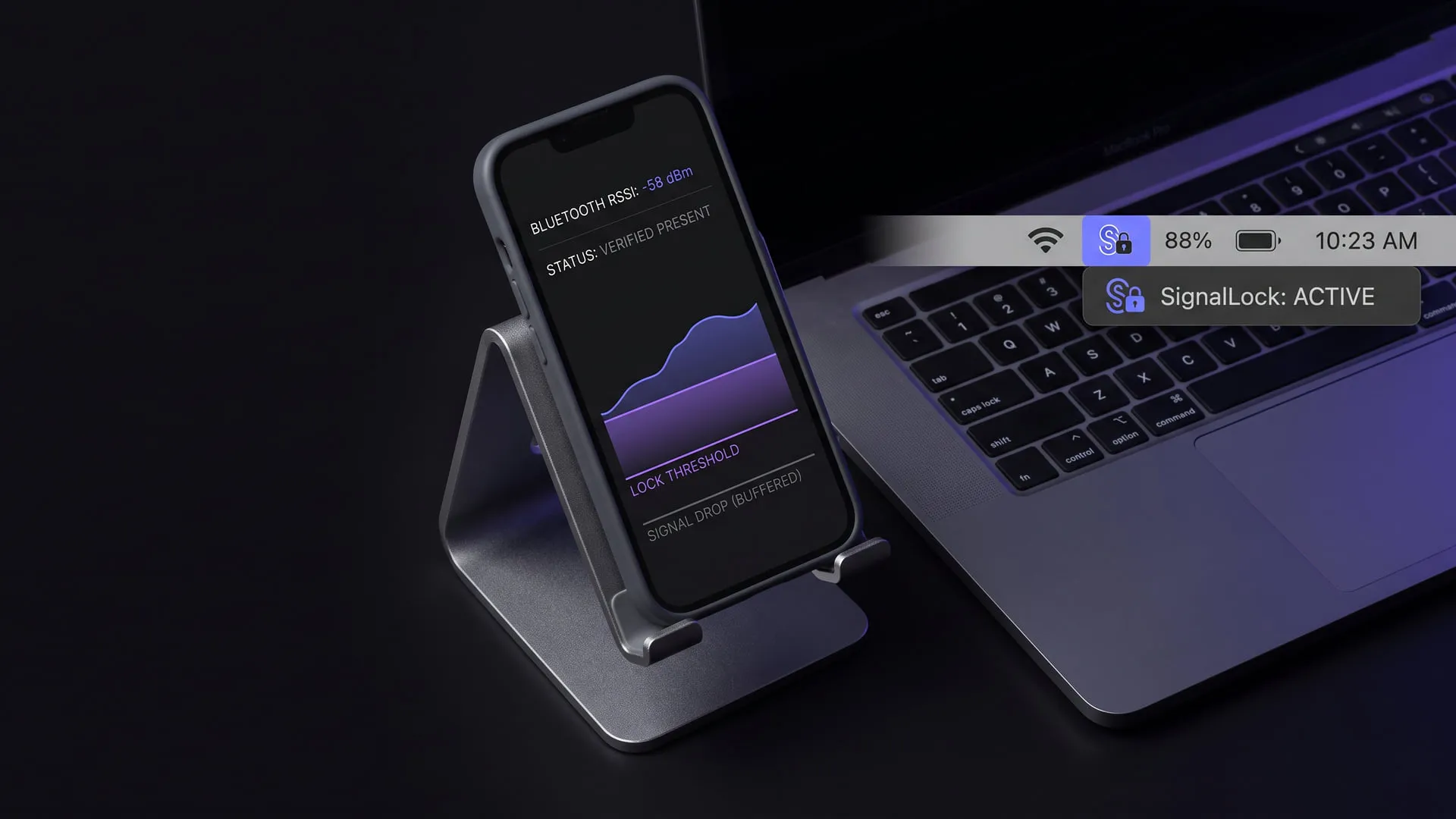
Why a Bluetooth proximity lock needs a proximity assessment, not a raw present/absent signal; it shipped as SignalLock for macOS, Windows and Linux.
What it does today
Locks the screen on macOS, Windows and Linux when the device you carry moves away; the call rests on a proximity assessment rather than a raw present/absent signal, so fluctuation no longer produces false locks. The menu bar and system tray app is published on all three platforms and ready to install.
A CLI that solves a problem repeatedly in isolated sessions and measures how diverse the solution paths are, with JSON and HTML reports. Not on PyPI.
What it does today
Has a model solve the problems of a suite YAML repeatedly in isolated sessions, measures how diverse the solution paths are and how much accuracy drops when a problem is changed on the surface, writes a JSON and HTML report per problem and fails CI on suspected memorization. Engineers choosing a model or checkpoint, or producing fine-tuning data, can clone the repository and install it with uv; it is not on PyPI.
A Python library I wrote to get schema-valid output from small on-device language models; its first reference benchmark missed some targets.
What it does today
Takes a Pydantic model or a JSON Schema and gets schema-valid output from a local model: grammar (llama.cpp only), deterministic repair, re-ask and a cloud fallback that is off by default (Claude, OpenAI, Gemini) work; there is a metrics collector, cost estimation and an OTLP observer. The MVP is complete but no release is published; in the first reference benchmark two models missed the targets on the ONNX path. Python developers embedding a local model in an application can try it by cloning the repository; it is not on PyPI.
A desktop app that reads Claude Code, Codex CLI and Gemini CLI logs locally and shows token usage by project, model and session.
What it does today
Collects AI agent token usage from local logs and shows it by project, model, session and time, with estimated cost and subscription limit tracking. A developer who uses Claude Code, Codex CLI or Gemini CLI heavily and wants to see the spend can install it.
An open-source desktop app in Rust and Tauri 2 records a meeting's audio and the screen frames that change, then writes a summary and action items.
What it does today
Records a meeting's microphone and system audio on separate tracks plus only the screen frames that change, then writes a note with a summary, decisions, action items and open questions. Anyone who wants meeting recordings turned into notes without keeping video can build it from source and try it.
A formula sets Devrazzi's 0–100 score; the model only writes the explanation, behind a verification gate. The decision and how it was built.
What it does today
Collects release and vulnerability announcements across the software ecosystem into a single feed, gives every event an importance score from 0 to 100 and explains its impact in Turkish; it also tracks deprecation/EOL and RFC announcements. Useful to software engineers who want to see what changed in their stack without combing through hundreds of sources by hand every day.
A proxy between an agent and its MCP servers: scans results for injection, masks PII, enforces access and logs decisions to a hash-chained audit log.
What it does today
Sits between an agent and its MCP servers over stdio (`wrap`) or HTTP (`serve`), scans tool results and resource contents for prompt injection, masks personal data, enforces access by tool, role and dangerous capability combination, pins a server's tool definitions and writes every decision to a hash-chained audit log. Anyone wiring MCP servers into agents can try it by cloning and building the repository; it is not published on npm.
A proxy between an agent and its MCP servers that cuts semantic loops, budget overruns and risky tool calls; its default mode only observes.
What it does today
Sits between an agent and its MCP server, sees every tools/call, and stops repeating loops, sessions that exceed a duration or call budget, and tools the policy forbids. Anyone running agents that call tools over MCP can try it with `npm i -g @tunedness/agentfuse` (0.1.0).
Build notes on a dice-free 4X core of 480 hexes and at most 60 turns, offline in the browser: a constraint chose the scope, and it shipped as Regnarium.
What it does today
Runs a full 4X match on a 480-hex map in at most 60 turns; rules, map generation and the opponent AI live in one pure TypeScript core, and combat rolls no dice. Anyone with half an hour and an appetite for strategy can open it in a browser.
Build notes on a puzzle where every move has one outcome: a single TypeScript core feeds 36+6 levels to web and mobile, offline-first.
What it does today
Lets the player solve 36 levels + 6 hidden levels on a node-and-edge board through fully deterministic moves, with no luck or reflexes involved; a single TypeScript core drives both the web (PWA) and mobile (iOS/Android) client at once. Playable in the browser at silkward.com.
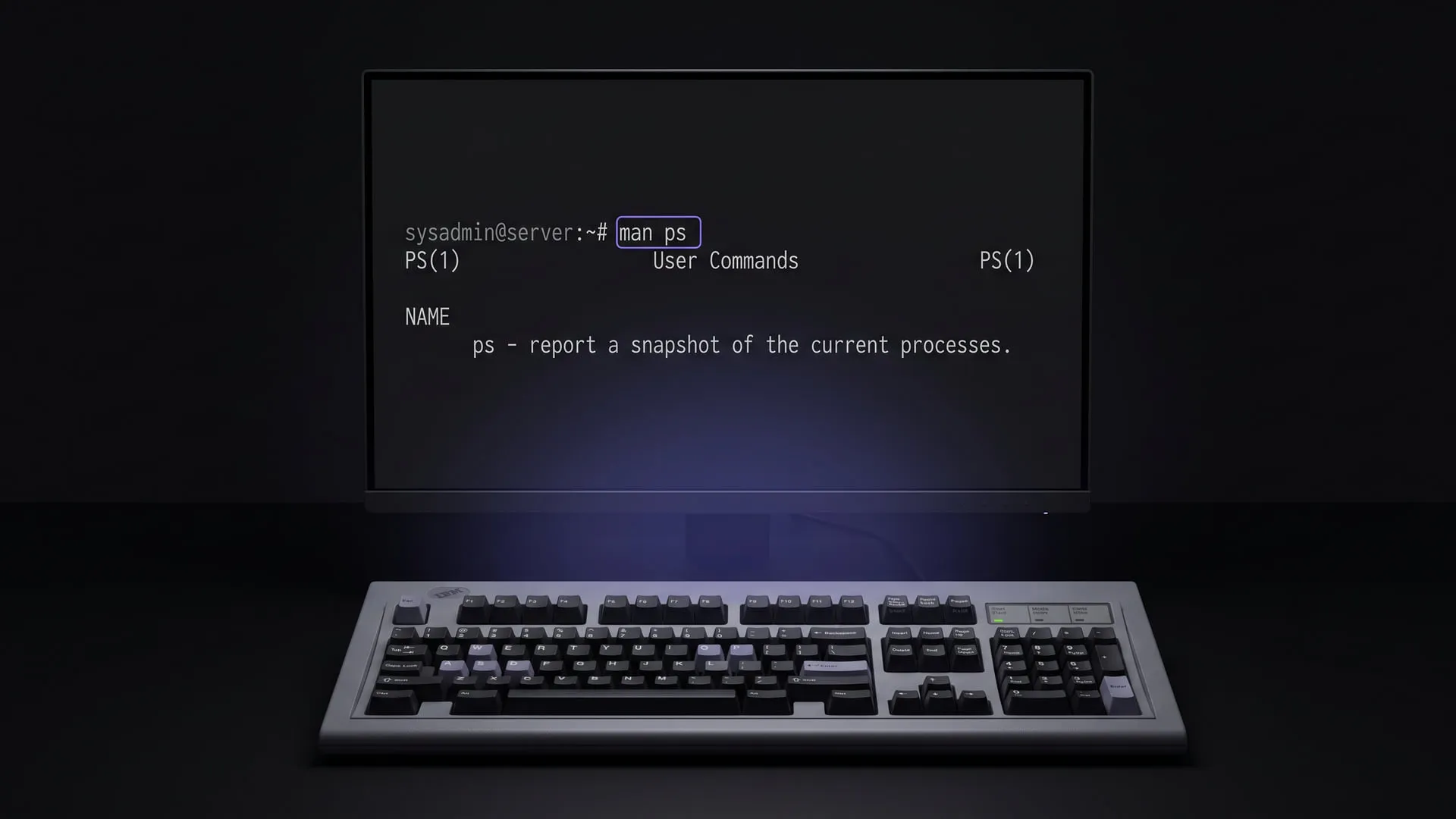
How an offline night-shift simulation parses every Unix-style command, with tab completion and man pages, on one engine shared by web and mobile.
What it does today
Has the player resolve seven incident types on a night shift through twenty-nine commands in a gamified Unix syntax (real flags, tab completion and `man` included); the web (PWA) and mobile (iOS/Android) versions share the same game engine. Playable in the browser at sysadmincrisis.com.
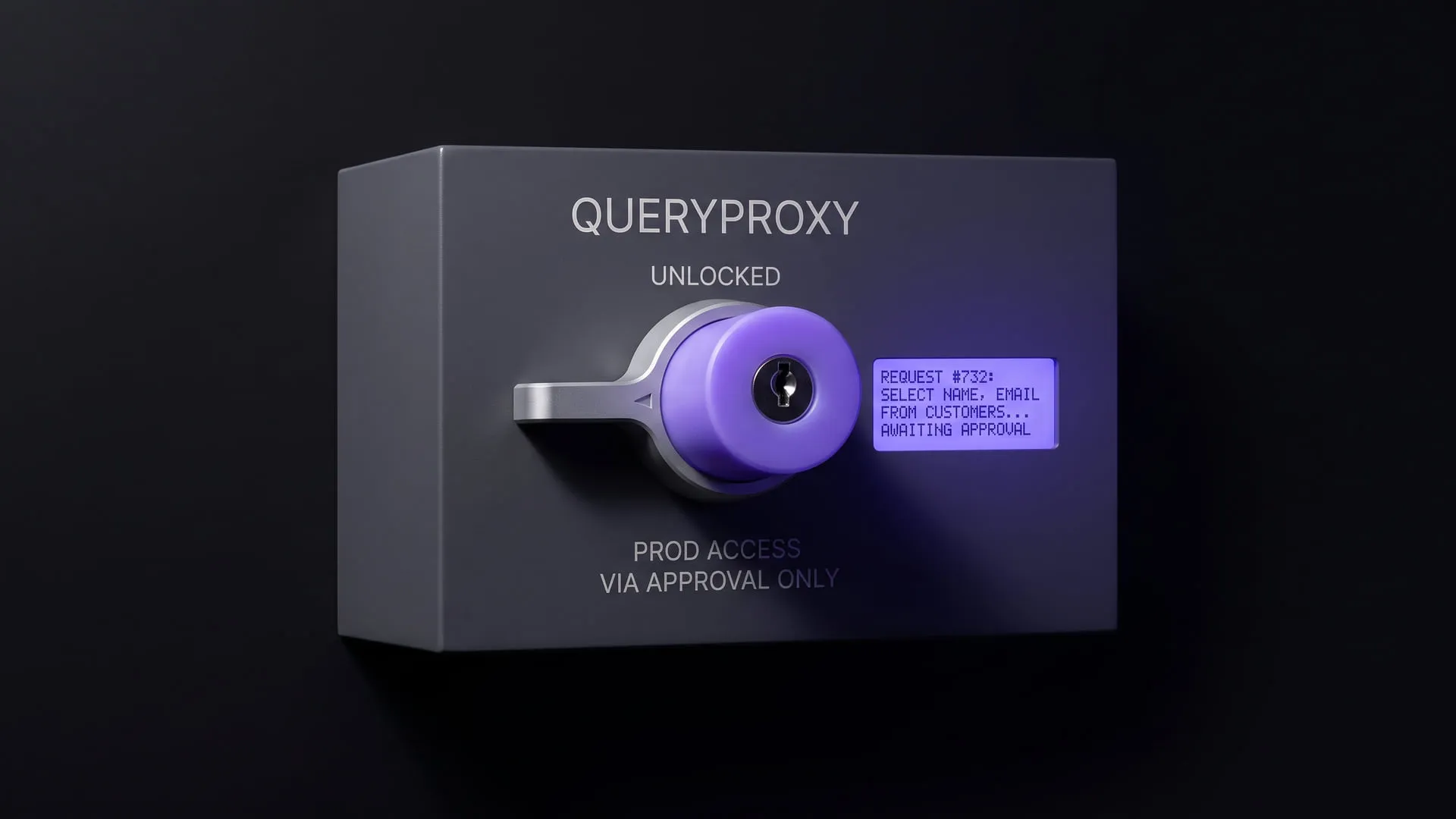
Build notes on putting ad-hoc production SQL behind approval, masking and an immutable record so nobody has to hand out a password. It became QueryProxy.
What it does today
Runs a developer's SQL against production through an approval step rather than directly; results are masked as they are written to disk and every request lands in an immutable record. Teams where production access sits with one person can run it today.
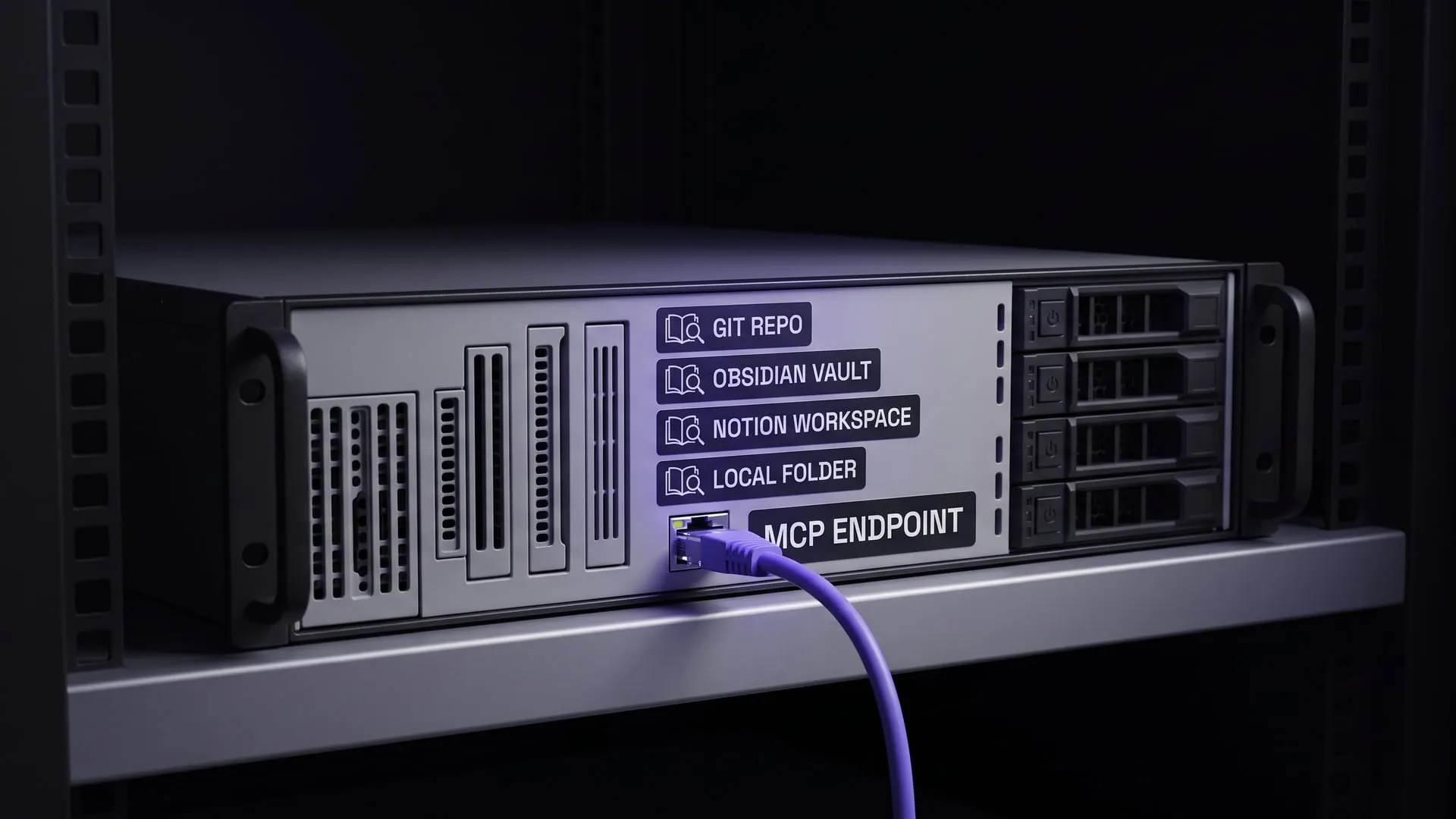
Build notes on serving the documentation of many projects from one multi-tenant server, each with its own MCP endpoint and documents kept on your machine.
What it does today
Makes a project's folder, git repository, Obsidian vault or Notion workspace searchable behind a single MCP endpoint, so an agent reaches the documentation without the data going to a third party. Anyone who can run Docker can host it and manage it from the dashboard.
Open-Source Web TypeScript Node.js Fastify
+6 more
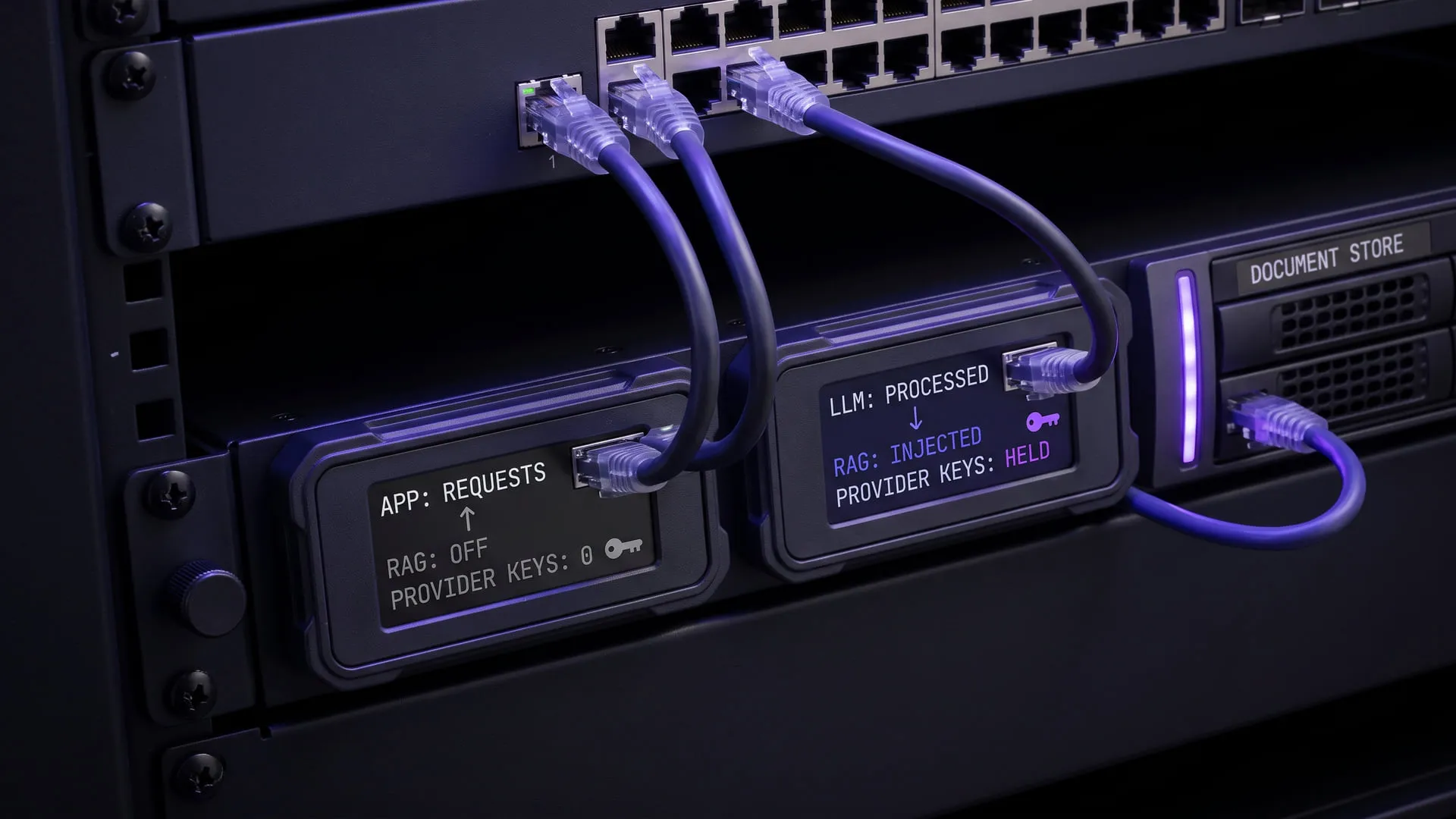
A self-hosted Go gateway holds the provider keys and injects RAG context, so the application talks to one OpenAI-compatible endpoint.
What it does today
Lets an application talk to one OpenAI-compatible endpoint while a project's configuration decides which model the request reaches and, when a document store is linked, which documents it draws context from. Anyone who does not want provider keys spread across applications, and wants spend capped per project, can run it on their own server.
Build notes on putting textbook theory and problems met in industry into one lesson flow: a free, text-first platform whose lessons need no signup.
What it does today
Live as a learning platform whose lessons are free to read without signup: the curriculum–course–topic–lesson hierarchy, full-text search and progress tracking work, while the course-end exam, verifiable certificates and the study assistant sit in a Pro tier. Anyone who wants to read the computer-science curriculum can use it today.
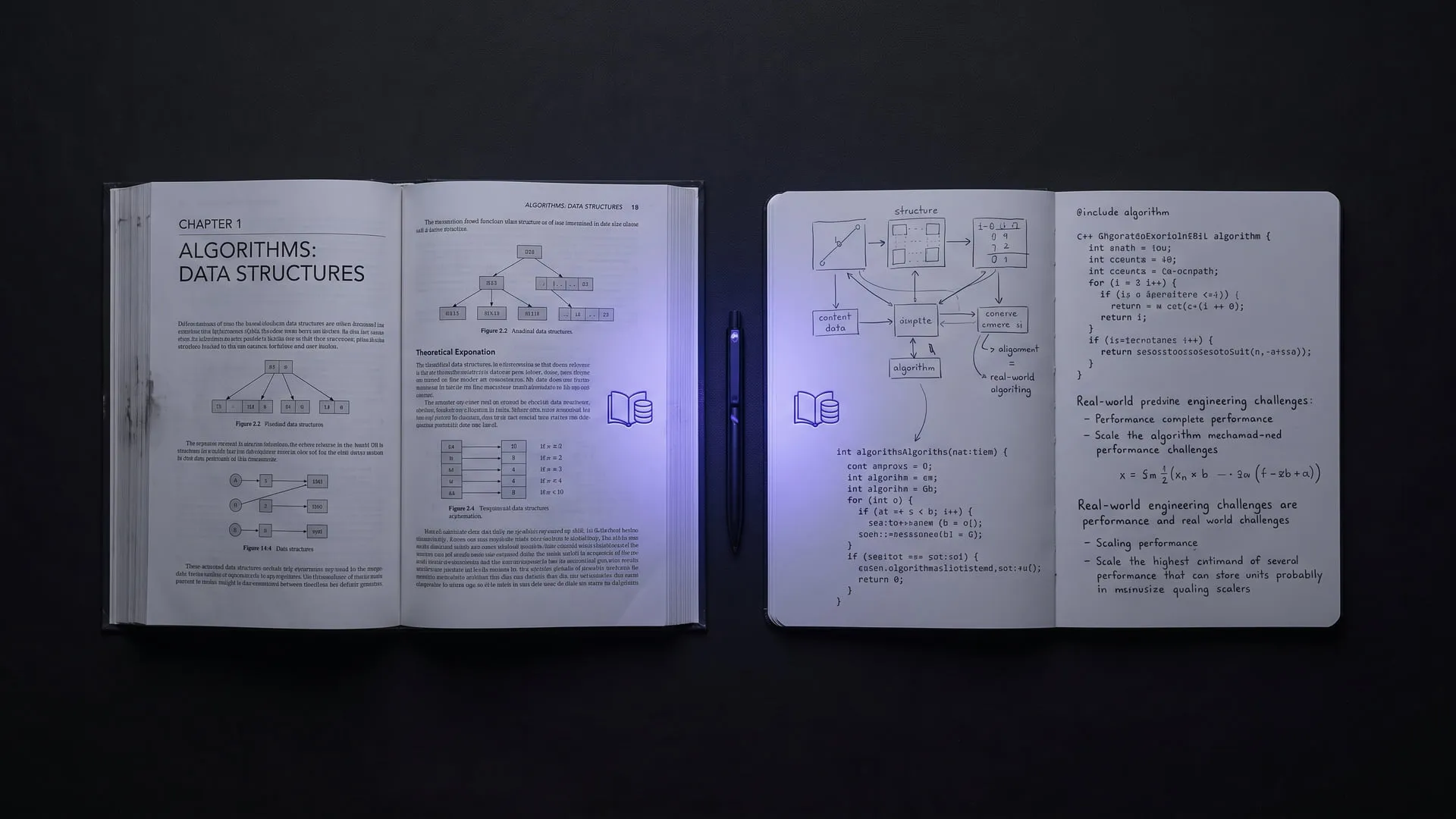
How two Qur'an and hadith datasets with disagreeing numbering were matched by letter-level text fingerprints: 91–99% coverage across hadith collections.
What it does today
Live as a free, open resource for reading and searching the Qur'an and hadith side by side; letter-level fingerprint matching gives 91–99% coverage across the hadith collections. Readers and researchers who want to go straight to the source can use it today.
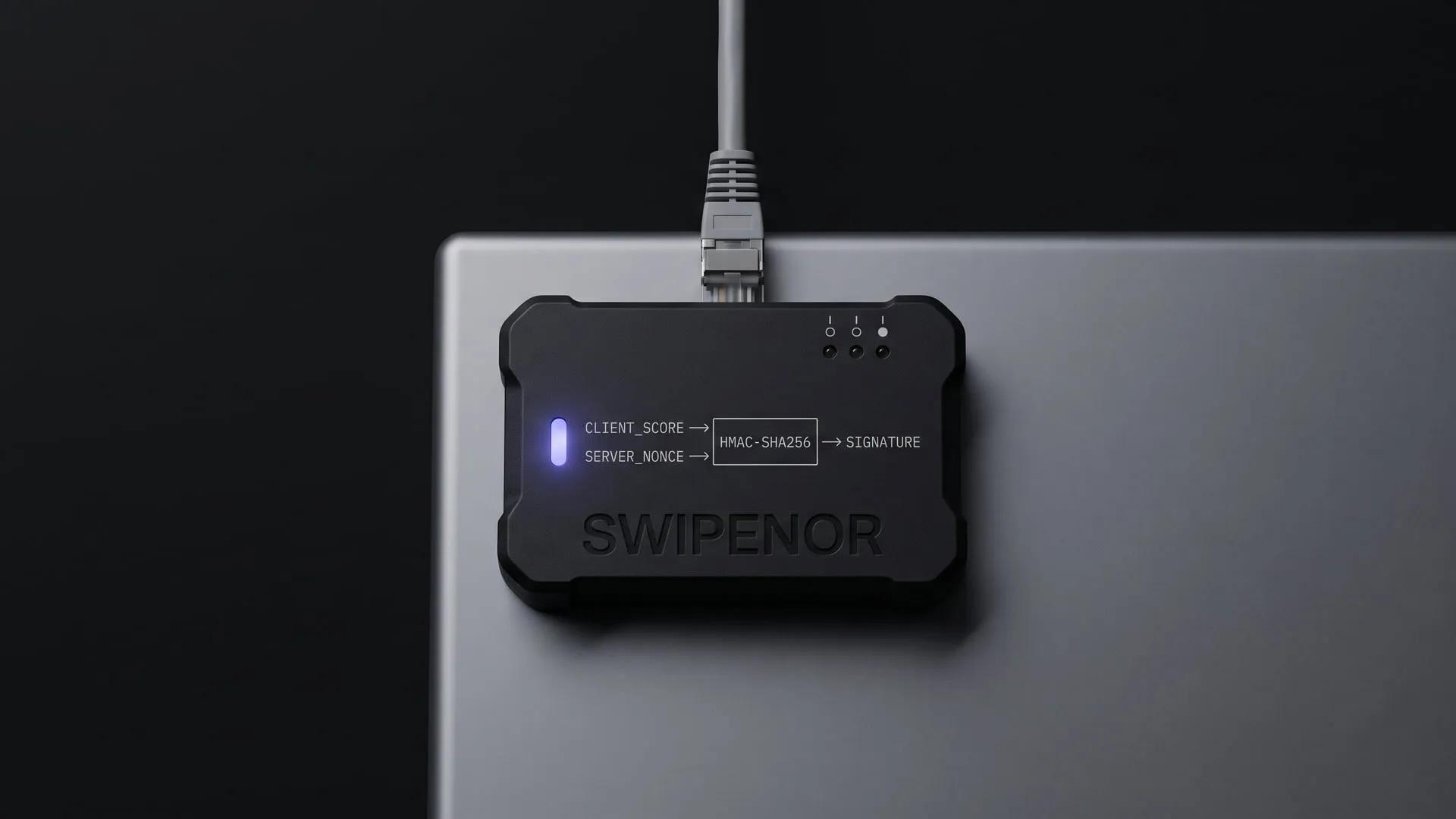
In a swipe quiz the client computes the score and the server verifies it with a server_nonce and an HMAC signature. How that trust problem was handled.
What it does today
The swipe-based true/false quiz runs end to end in its core loop as a mobile app; the score is produced on the client but verified server-side with a server_nonce and an HMAC signature. swipenor.com is the app's landing page, not the game itself.
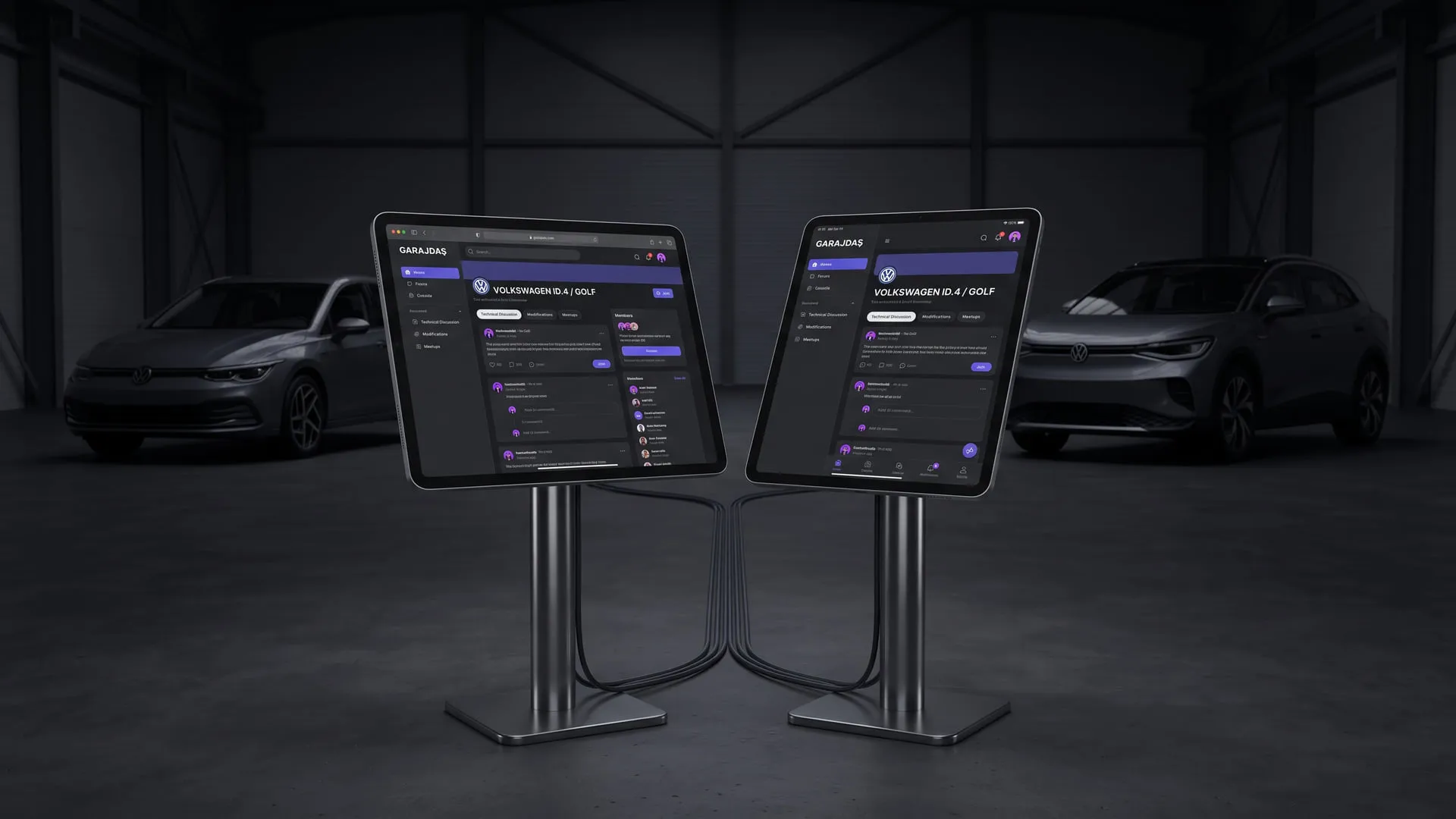
Every vehicle make and model gets its own club, and web and mobile share one single-schema API. How the community platform was put together.
What it does today
A community platform where every car make and model has its own club; identity, content, notifications and moderation all run on a single-schema API, with the web and mobile clients sharing that one schema. Anyone looking for a community specific to their car's model can join today.
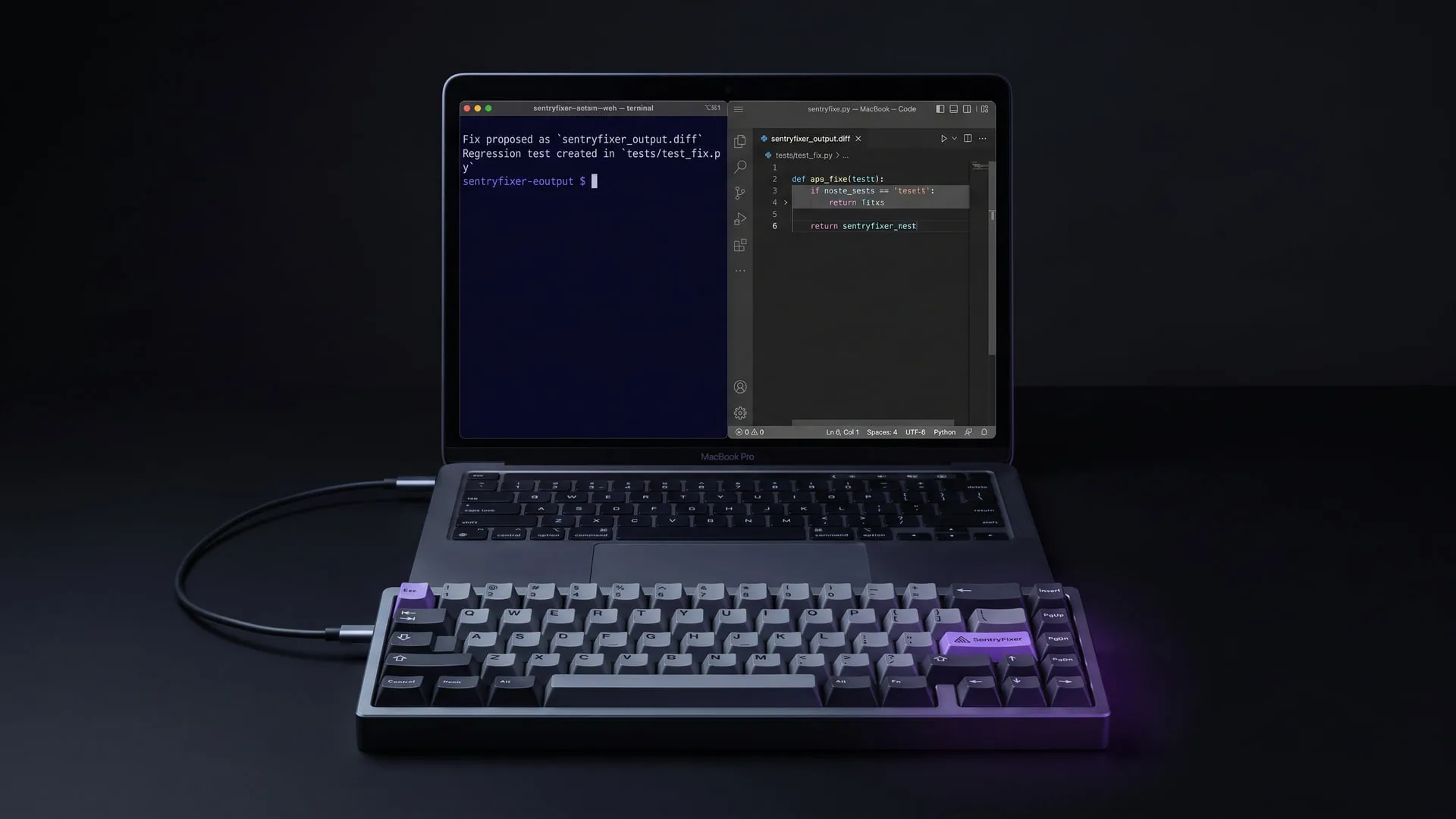
How a Claude Code skill reads a Sentry issue against the working tree and drafts the fix as a diff and a regression test, touching no file before approval.
What it does today
Reads a Sentry issue against the working tree, produces a root-cause analysis and a fix plan, and touches no file without explicit approval. Anyone using Claude Code who needs to triage a production error can install the skill.
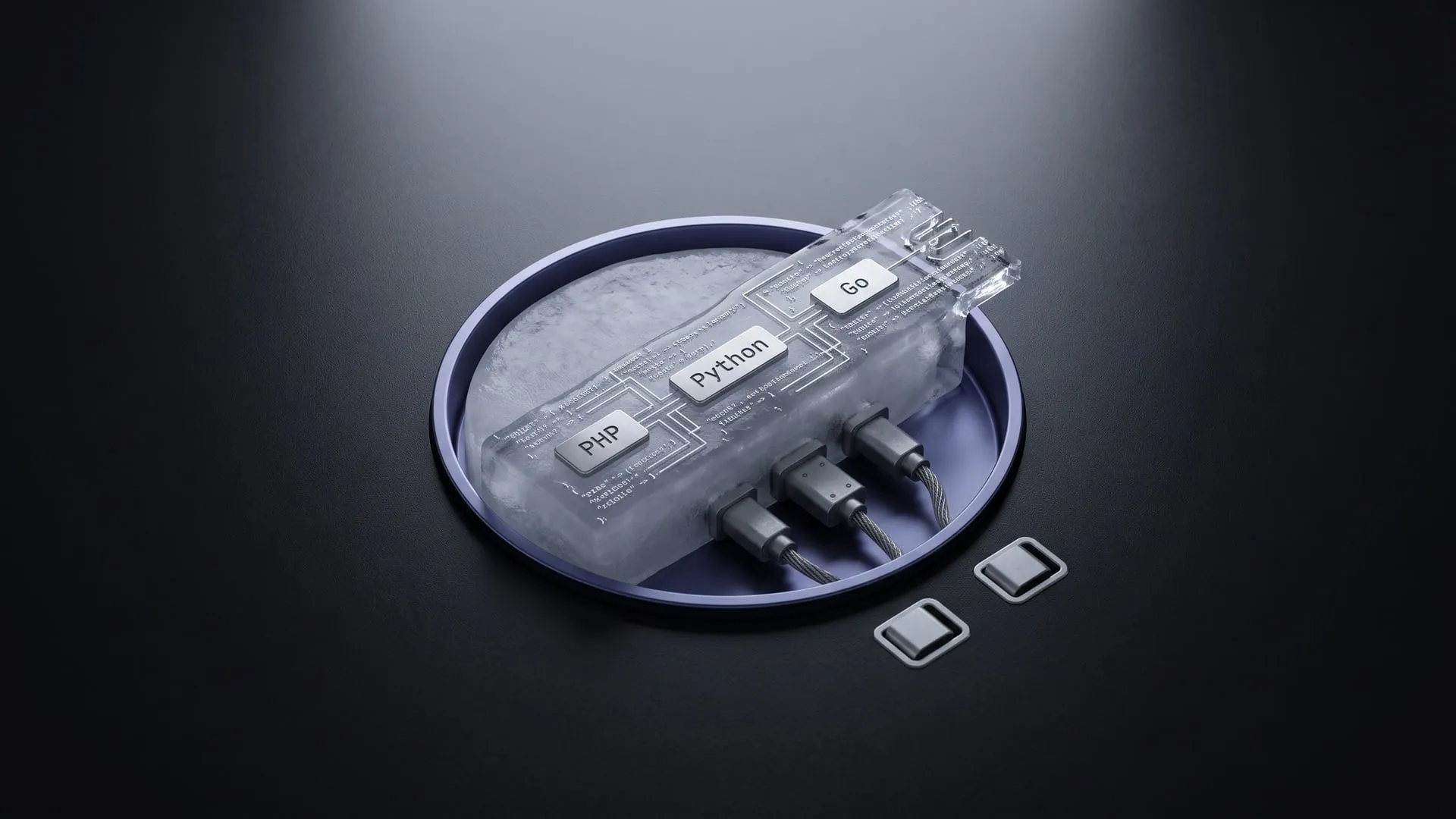
Why a frozen JSON envelope replaced language-specific serialization, and how the experiment ended as a queue standard read by PHP, Python, Go and Node.js.
What it does today
The frozen JSON envelope has four languages — PHP, Python, Go, Node.js — reading the same bytes, with no sidecar and no broker plugin. Teams running a polyglot queue can pick up the spec and the SDKs today.
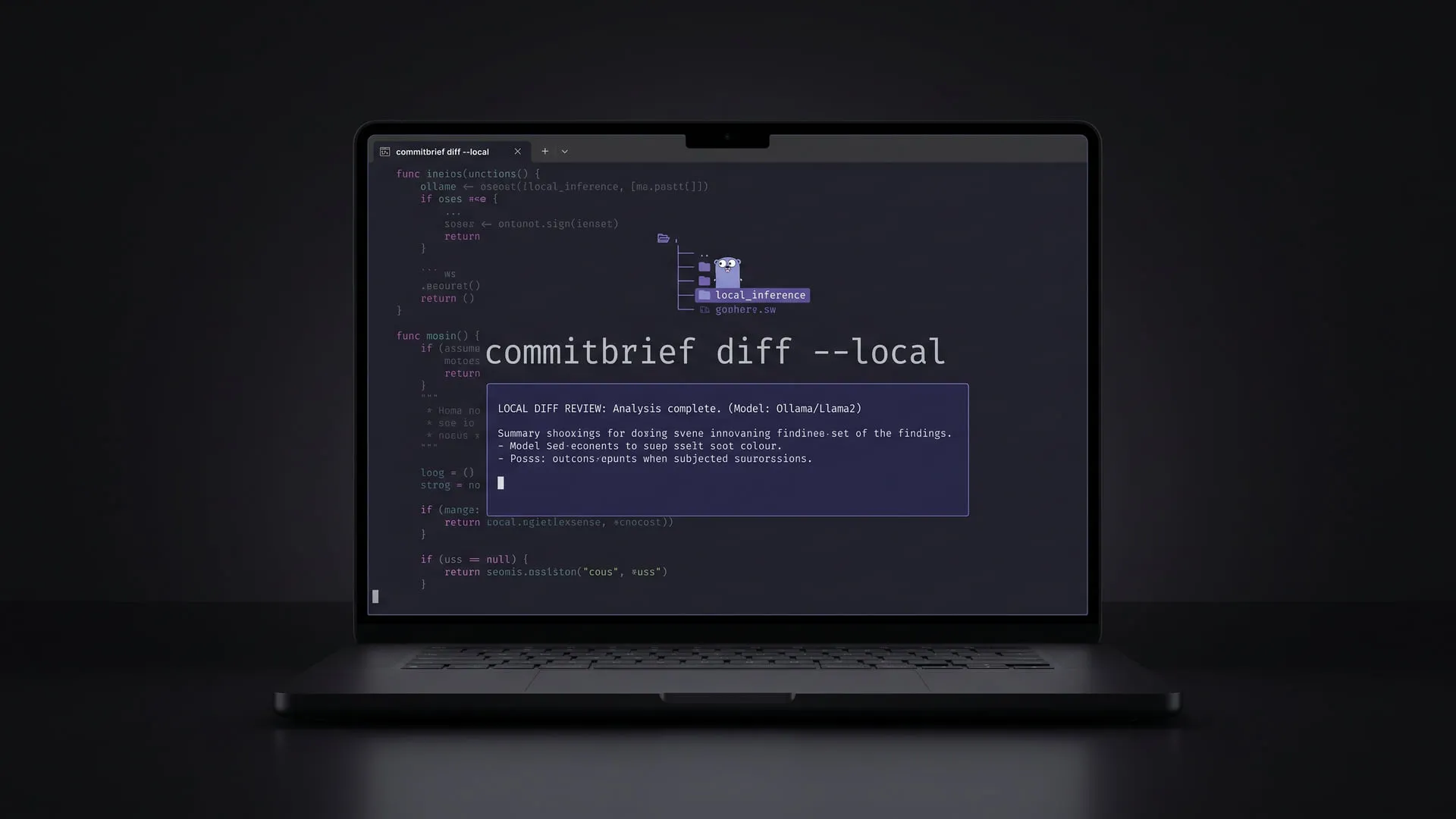
How a provider-agnostic Go CLI reviews a diff without it leaving the machine, and how the experiment reached signed binaries as CommitBrief.
What it does today
Reviews code locally, with the diff never leaving the machine; the `Provider` interface lets Anthropic, OpenAI, Gemini and Ollama plug into one contract. Signed binaries are published — anyone who does not want to hand their diff to a cloud provider can install it.
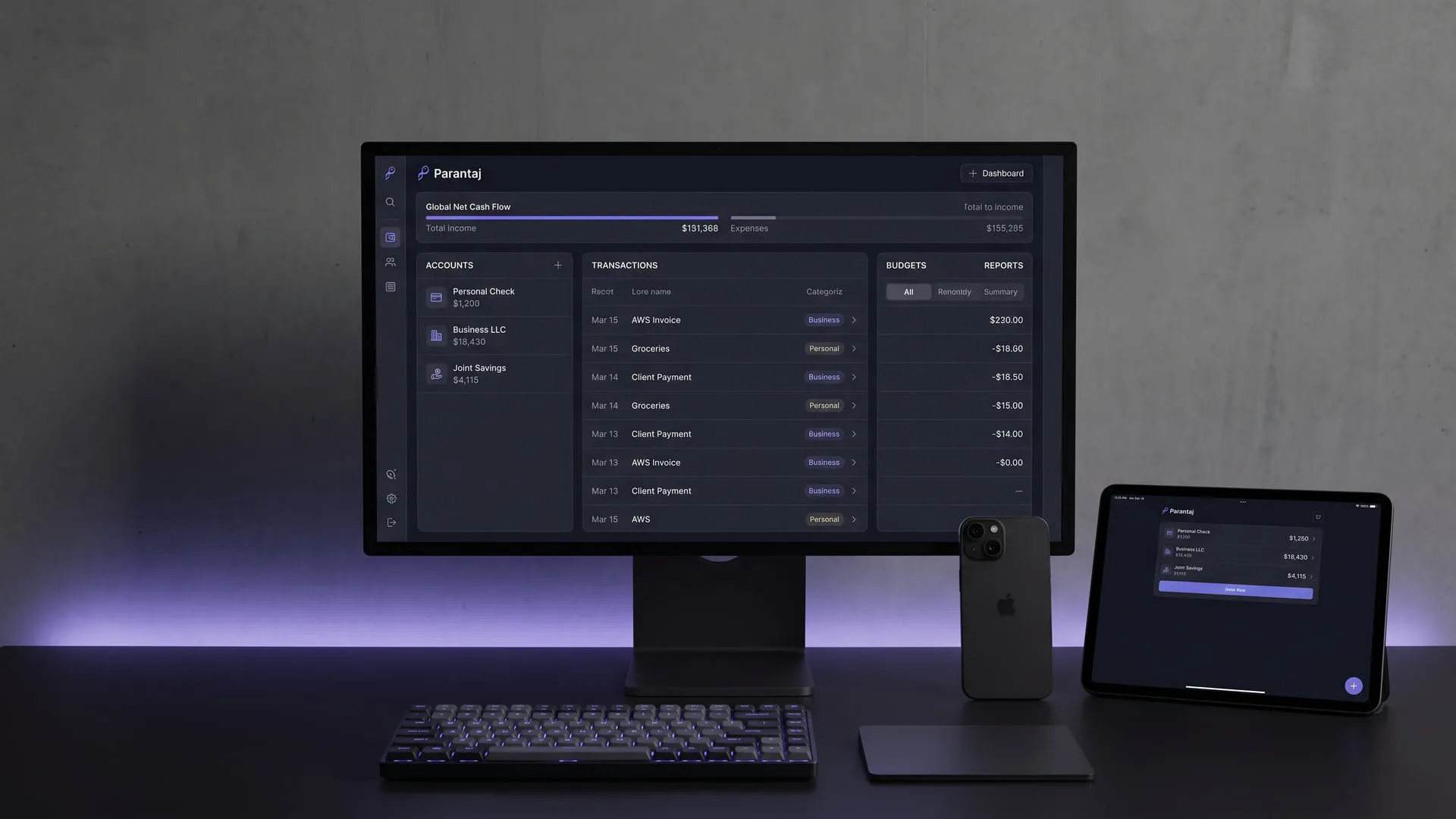
Build notes on keeping multi-account personal and business finance in a single account and transaction model, and how it reached web, iOS and Android.
What it does today
One account/transaction model carries multi-account management, budgeting, goals and reporting on a single core; the web, iOS and Android clients are all live. Anyone who wants personal and business finances tracked in one place can use it.
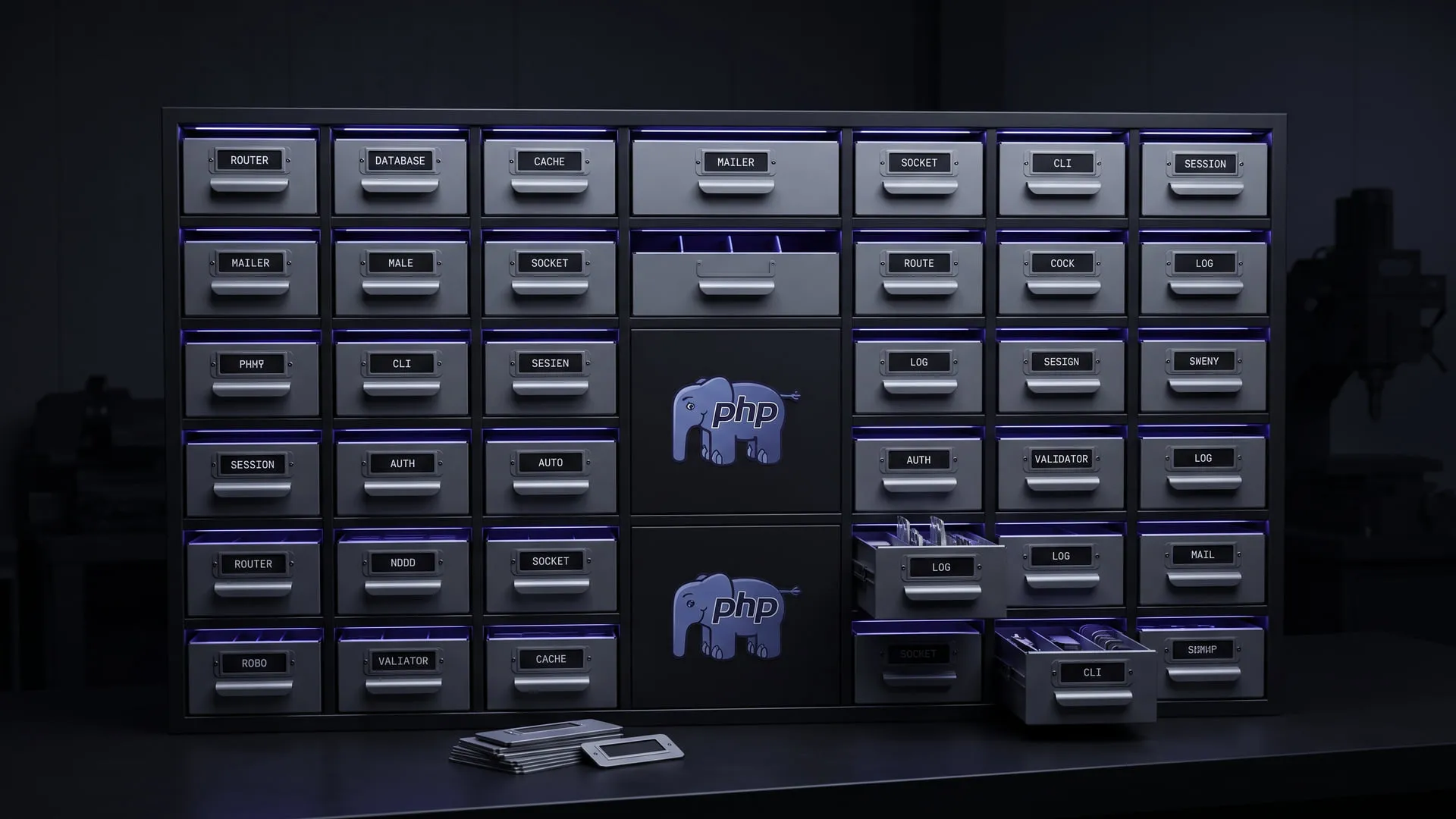
How a family of over 30 PHP packages stayed usable standalone and together, and why the Lab record closed while the packages stay maintained.
What it does today
A family of over 30 PHP packages — Router, Database, Cache, Mailer, Socket and the rest — each usable standalone or together, all shipped through Composer/Packagist under MIT. Any PHP developer who wants the pieces without buying into a framework can install them today.
Open-Source PHP Composer PHPUnit
January 2021 — August 2022
No record matches this filter.
The ones that became products
Work that reaches its final form moves to the portfolio and leaves its record here. Which one ended up where is written down.
The state says where the work stands; the maturity says how far you can trust it. Whatever becomes a product and whatever gets halted leaves its record here — no address ever drops.
State
active In development
Work I am actively pushing forward, version by version.
stable Stable
Settled and usable, but no new work is going into it right now.
graduated Became a product
Reached its final form and moved to the portfolio. The record stays here.
archived Halted
Development stopped. The record is not deleted — what it was and why it stopped stays written.
Maturity
alpha Alpha
It works, but both the interface and the data model can still change. Early-adopter territory.
beta Beta
Open for day-to-day use; missing features and rough edges are still expected.
rc Release candidate
Scope is frozen and what remains is polish. The last step before it becomes a product.
We can build the next one together
New records arrive over RSS and most of the code is open on GitHub. If there is something worth building, just write.