In Devrazzi a formula sets the score, the model only explains it
A formula sets Devrazzi's 0–100 score; the model only writes the explanation, behind a verification gate. The decision and how it was built.
What it does today
Collects release and vulnerability announcements across the software ecosystem into a single feed, gives every event an importance score from 0 to 100 and explains its impact in Turkish; it also tracks deprecation/EOL and RFC announcements. Useful to software engineers who want to see what changed in their stack without combing through hundreds of sources by hand every day.
- Started
- October 2026 — October 2026
- Left Labs
- Updated
Form
Technologies
This one became a product:
DevrazziWhen a vulnerability gets a score of 85, behind that number stands a formula, not a model. It was the first rule I set when I rewrote Devrazzi from scratch on Laravel on 13 October 2026: a language model may explain something, but it cannot assign the score.
Where the radar looks
Devrazzi is an engineering intelligence radar. It tracks the releases in a catalogue of about 2000 projects, CVE/NVD, GitHub Security Advisories and OSV records, the CISA KEV list, deprecation and EOL announcements, and RFCs; records describing the same event are merged into a single event. EPSS does not produce new events, it only feeds the scores of security records. The output is on the web only and in Turkish only: the feed, event pages and a technology index. The feed starts with the newest by default; the “Most important” ordering sorts the last 30 days of events by score, and the filters work by technology, ecosystem, event type, severity band and date range.
A formula sets the score
Every event gets a score from 0 to 100 and falls into one of four bands: Critical (85 and above), High, Medium, Low. The score comes from components such as CVSS, KEV membership, EPSS, version jump, how widespread the technology is and the number of independent sources; the breakdown of the components is visible on the event page, and the rules are written on the scoring page. The score is the same for everyone; there is no personalisation. The cost is plain: this score is not a substitute for a risk assessment of your own stack.
The model’s job, and the gate in front of it
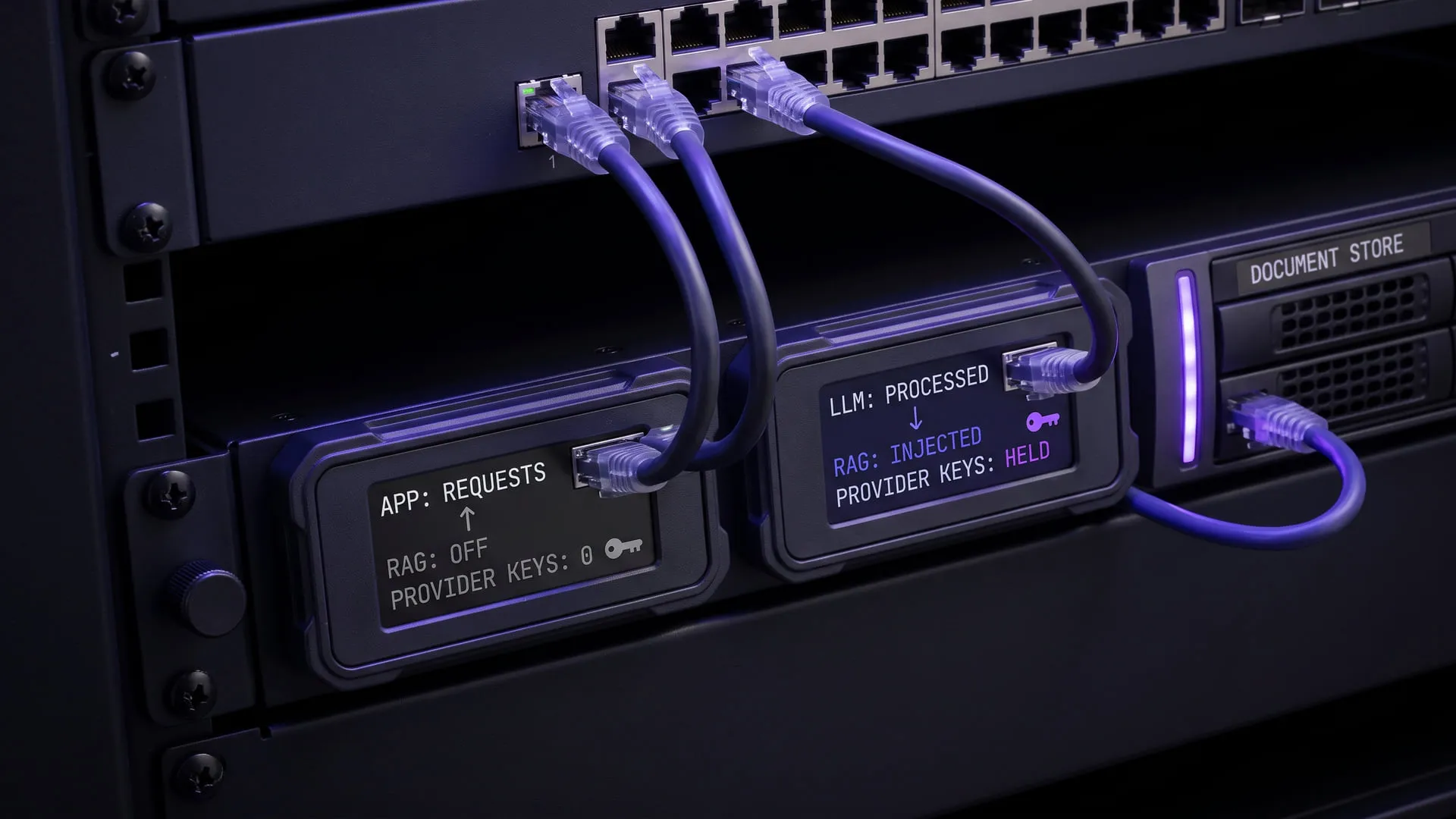
A Haiku-class model matches news to events and a Sonnet-class model writes the impact explanation. In the Medium and higher bands the model writes the explanation; in the Low band no model is called for the explanation, and the explanation is built from the sources with a fixed template. Calls go through a single gateway, and every job type has its own provider order and fallback chain: on an error, a timeout, a 429/5xx or a validation failure, the chain moves on to the next. The providers in the chain are Anthropic, OpenAI, Gemini and DeepSeek; model names live in configuration, not in code, and the target for monthly LLM spend is 100-300 USD; the ceiling is enforced on the application side, with a counter in PostgreSQL.
The real work is at the gate. For an explanation to be publishable, it has to cite at least one source; the CVE, GHSA, version and package names it uses have to appear in the source text; it has to stay within the length limits; and it has to be in Turkish. A response that fails is sent back once for correction, then the next model is tried. If none passes, the event drops into review; a Critical event, though, is published with the template explanation, noted as automatically generated. A low-confidence response does not go out either; the one exception is an event that rises to the Critical band while it is waiting.
The contribution I haven’t switched on yet
The architecture has room for the model to make a capped contribution to the score, but today that contribution is off, and the scoring page also says artificial intelligence makes no contribution to the score. That has a cost: deprecation, EOL and RFC events take their score only from adoption and source count, so today they stay below the publishing threshold; the radar tracks them but does not carry them into the feed. The reason is measurement: on the 74 release and news items of the golden set, none of the three models tested cleared the threshold; for two of them, the area that held them back was deprecation detection. After fixing the labels and the prompt I measured again, and the result still fell short.
Next
First, raising agreement on the deprecation label above the threshold, then measuring the contribution again. Until the threshold is cleared, the contribution’s flag stays off. The product’s profile is in the portfolio.