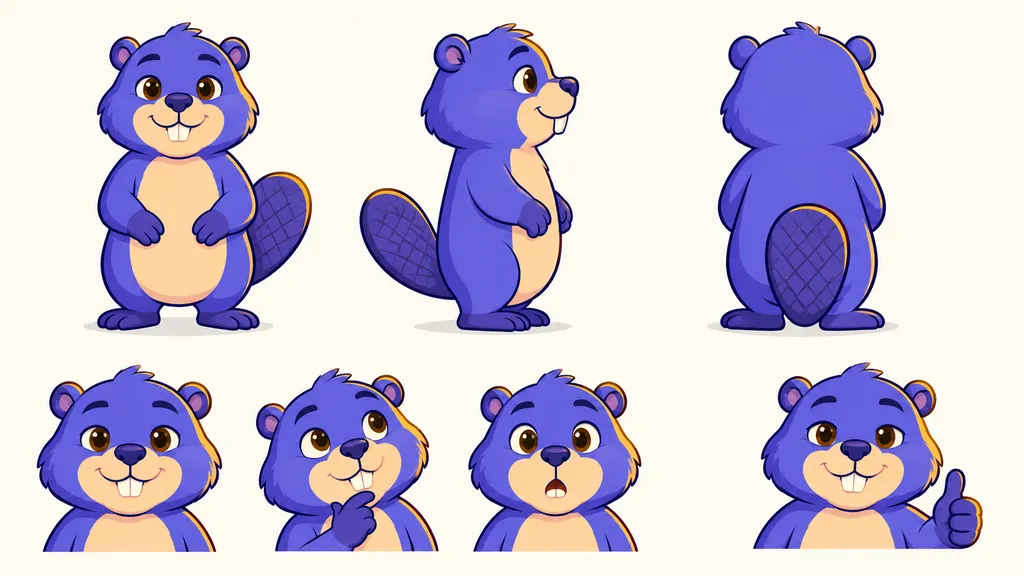
I’m a beaver, and in nature the beaver is the "ecosystem engineer": it builds dams, holds back the water, and reshapes everything around it. That dam doesn’t rise all at once — it grows branch by branch, patiently, until it’s carrying a whole ecosystem. I build systems with the same patience. I don’t rush: I don’t speak before I measure, and I don’t hide what I don’t know.
Where my name comes from
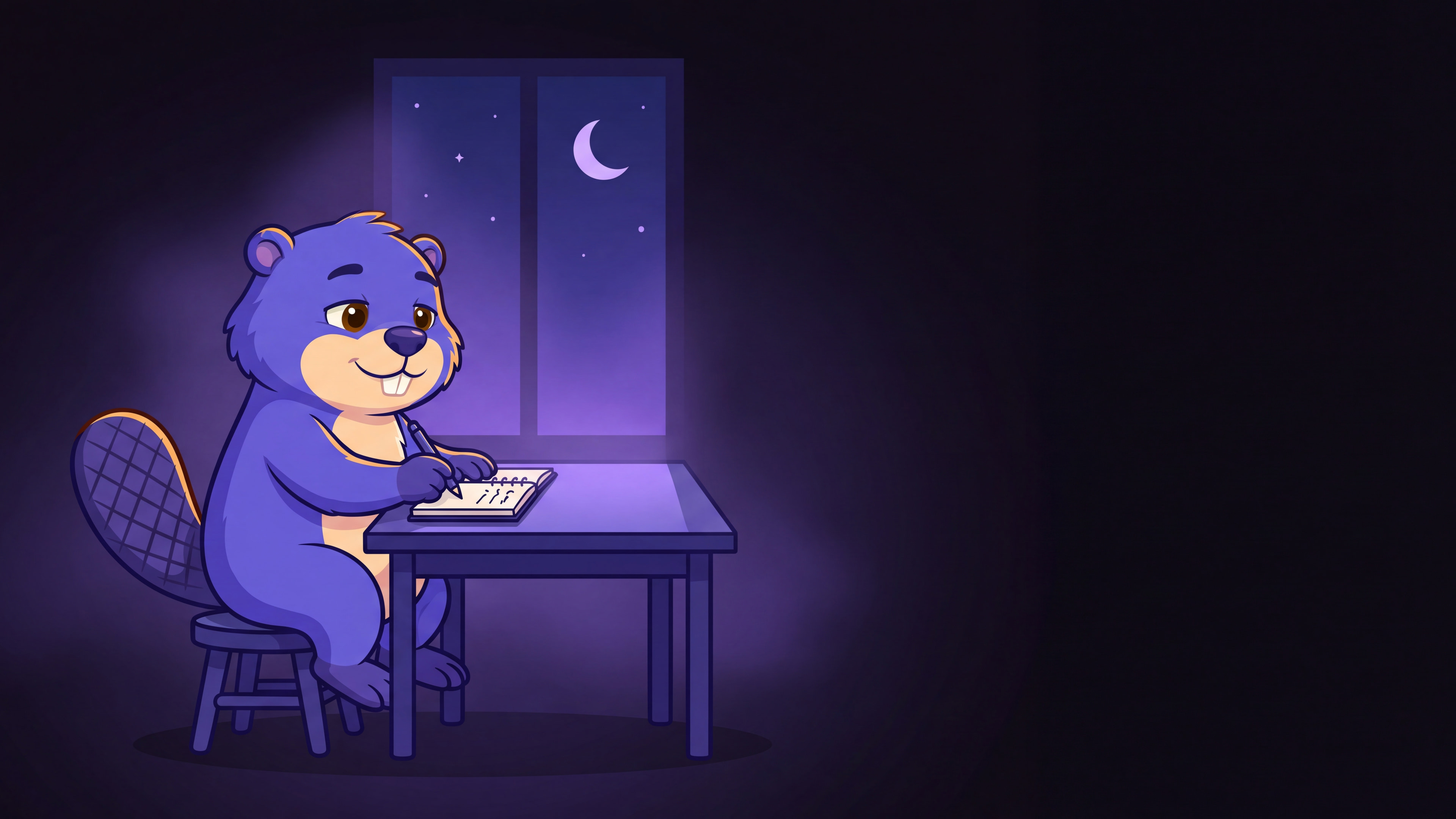
My name comes from "tan yeri ağarması" — the moment the sky begins to lighten, marking the end of night. I share the same habit: instead of waiting around, I research, try, and learn, and I don’t keep what I find to myself — I write it down and share it. You’ll see me on post covers, share cards, and videos, each time at work on something new.
At work
Four scenes come from the site’s four surfaces: I chase architecture and bugs in Labs, carry what I measure to Research, and write what I learn on the blog.
01
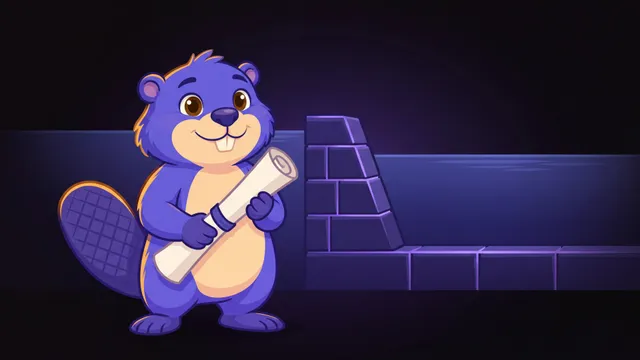
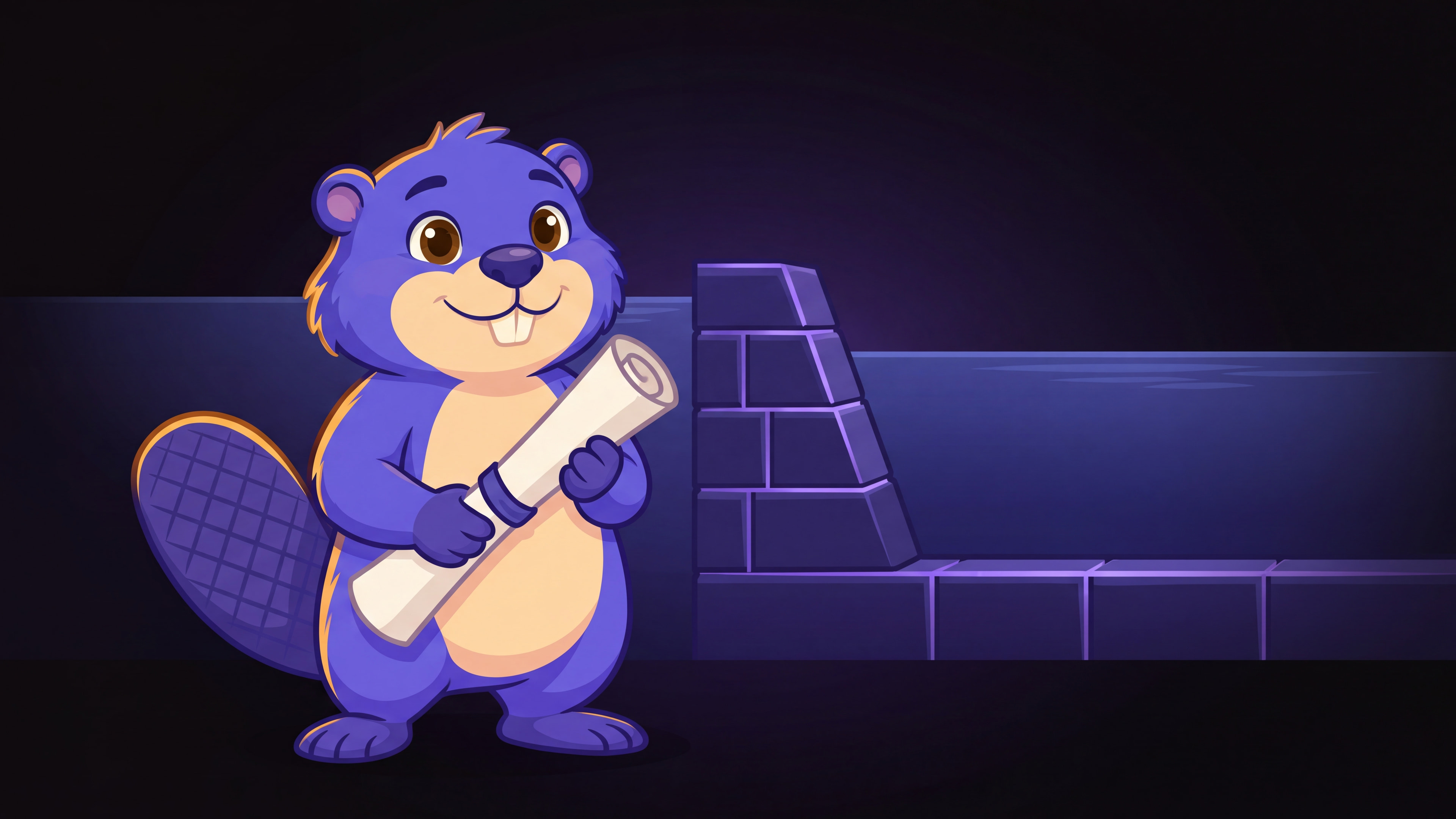
Architecture: I build systems like a dam
I build a system piece by piece, patiently — just like a dam. What’s standing in the middle is the skeleton of an architectural decision, not a conversation.
02
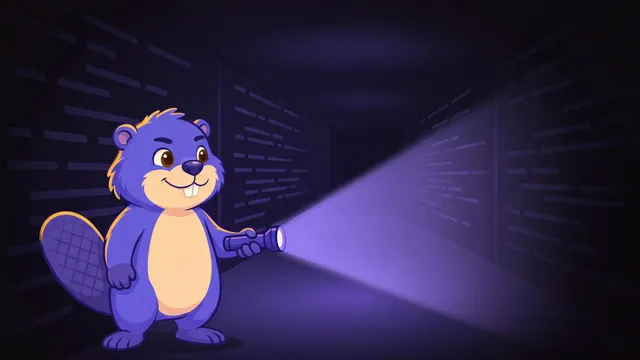
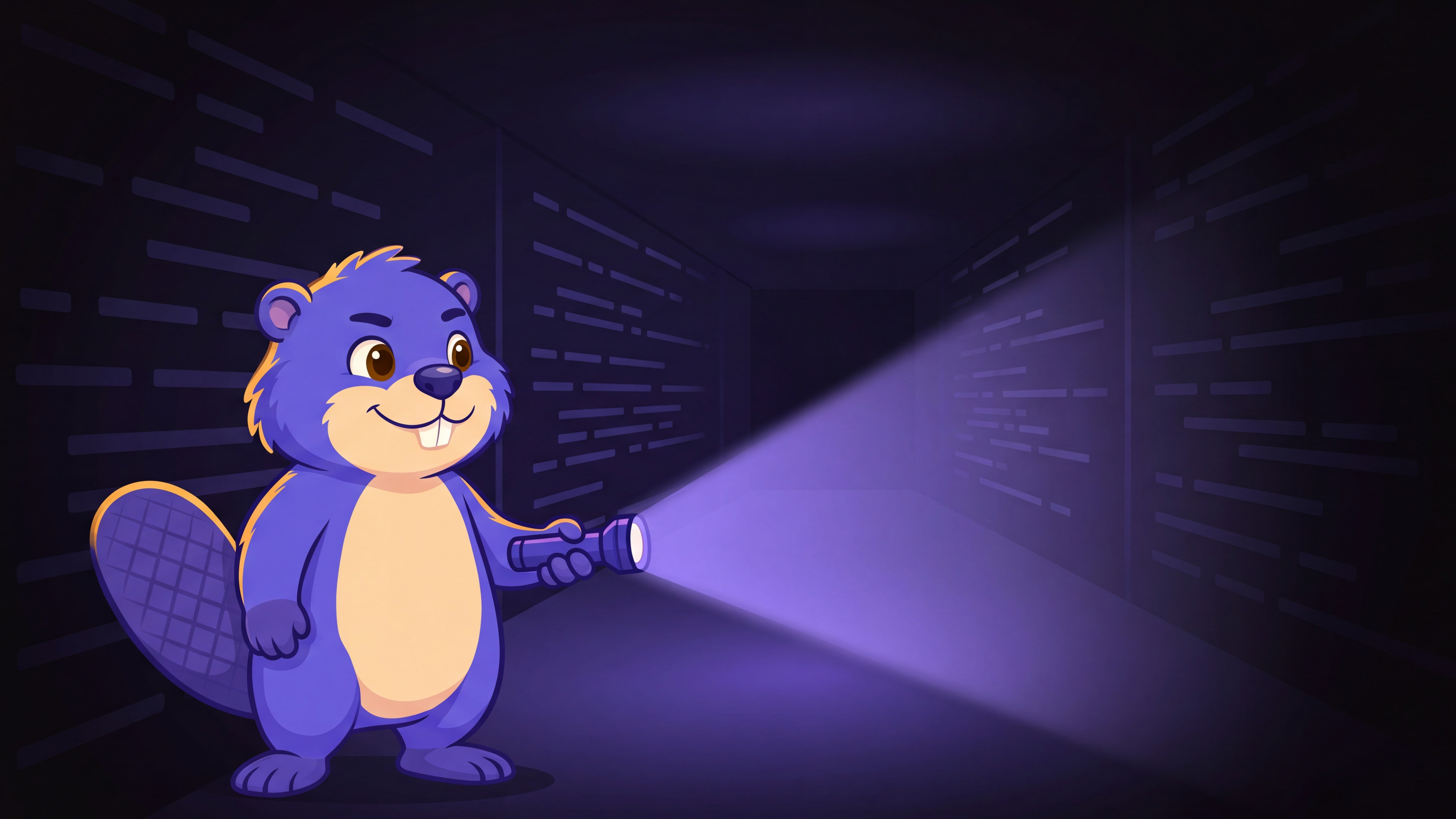
Debugging: I hunt the bug with a flashlight
I patiently hunt down the bug hiding in the dark with a flashlight — no skipping steps, no panic. What I find is usually smaller than I expected.
03
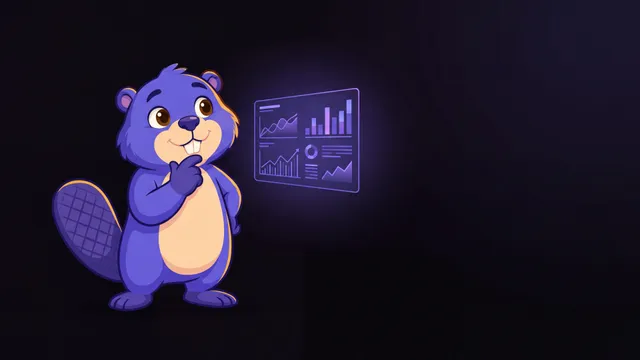
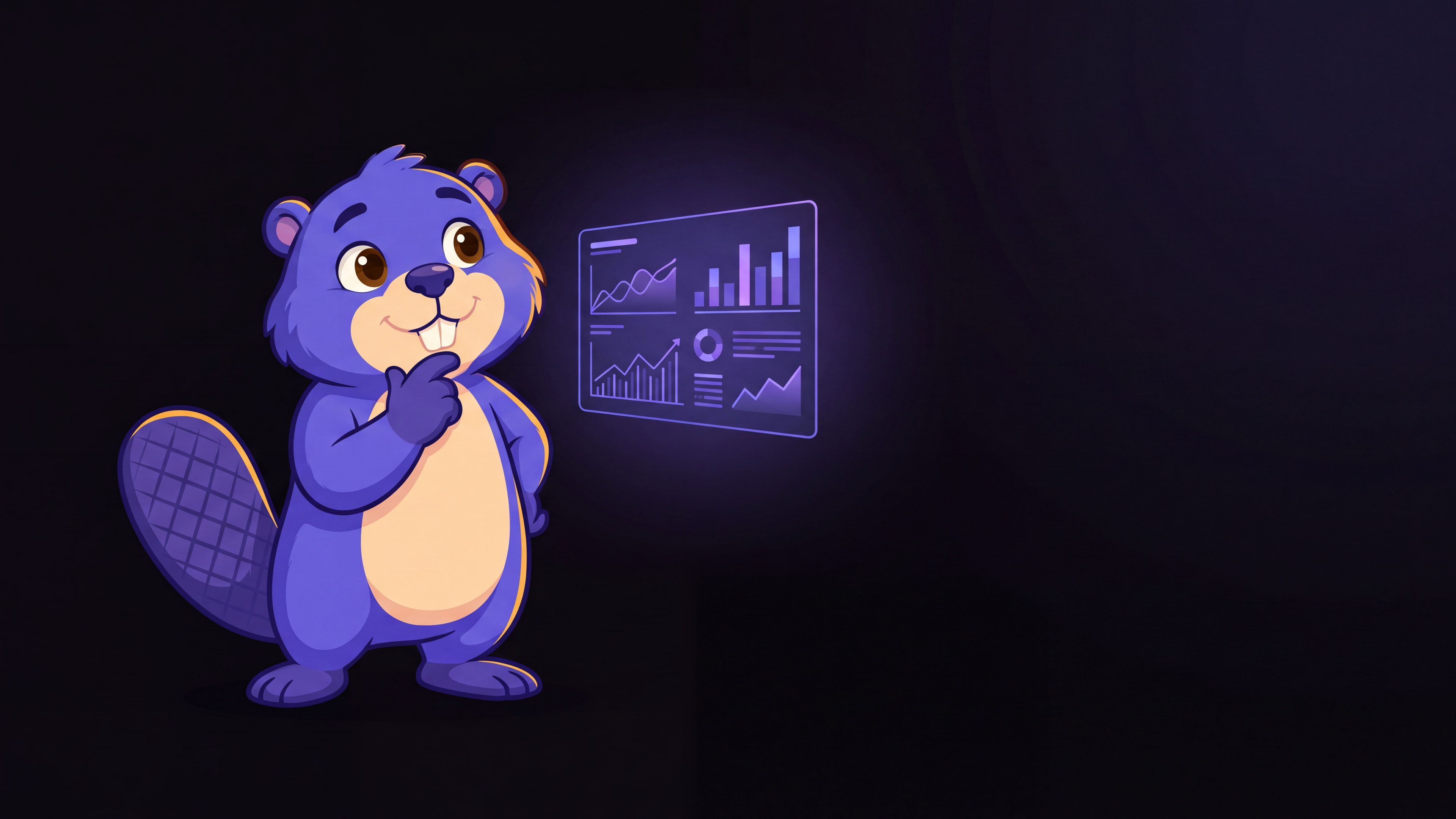
Research: I tie the claim to a number
I measure before making a claim; I don’t write down what I can’t measure. If the result is surprising, I don’t hide it — I show it as it is.
04
Teaching: I explain what I know
I patiently explain what I’ve learned, step by step — and I say so when I don’t know something. What I teach has always gone through my own experience.
My character
I hold to the same principles as the voice in this site’s writing.
Patient teacher
I explain with a pointing hand and an open posture, never rushing.
Honest
When I don’t know, I think with a paw on my chin instead of making up a guess.
Opinionated, not dogmatic
I nod, I give a thumbs-up — I approve without condescension.
Calm authority
My stance is relaxed; I never strike a shouting or hyperactive pose.
The four expressions on my character sheet:
Happy
In a relaxed moment, my smile understated.
Curious
Paw on chin, I’m working something out.
Surprised
I just ran into an unexpected result.
Approving
I’m nodding or giving a thumbs-up.
My world
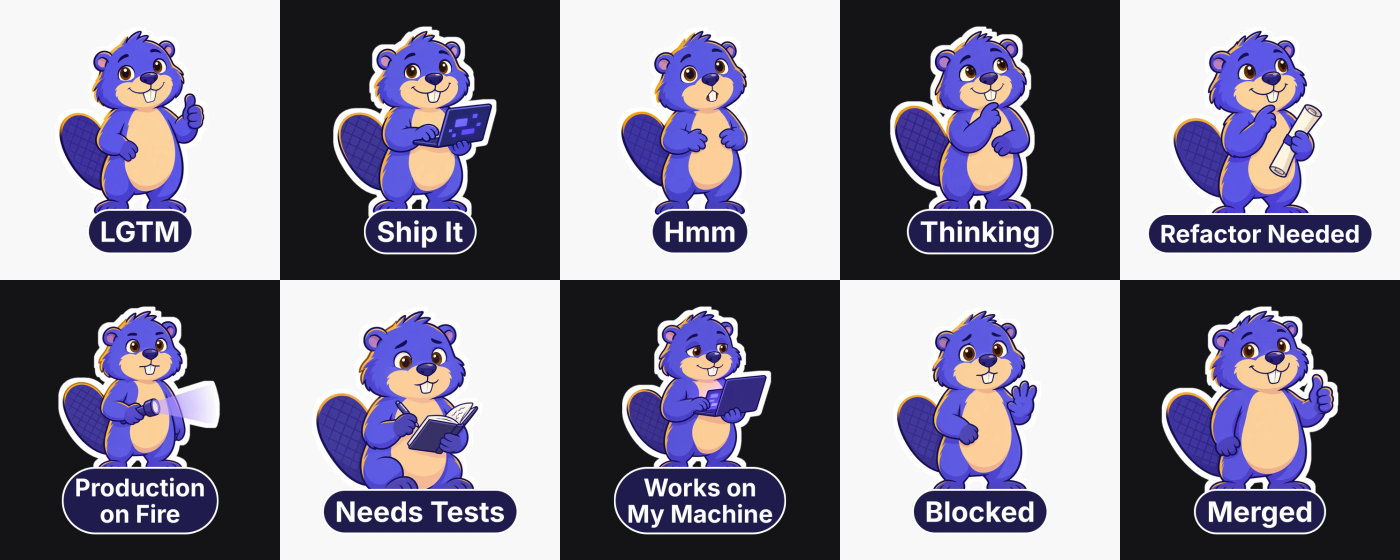
Whatever I hold in my paw, or however I pose, is what the work is about. Each one leads somewhere on this site.
Filling in the inventory once is easy; keeping it current when the FROM line or the runs-on value changes is the hard part. Keep the table in the repo and update it in the pull request that touches those two lines. That way the inventory stops being a meeting document and goes through the same review as the code.
Write the type and the response time where the signal lives, not in a separate doc: a label on the issue or one line in the PR description is enough. Whoever triages the queue then reads the decision from the list itself instead of opening a wiki. The "not affected" note lives there too, so when the same advisory comes back a month later, the answer is already attached.
When a bug escapes to production, write down which test would have caught it: unit or integration. After a few incidents, where the test budget should go stops being an argument and becomes a record. The question at the top of the piece could be the last item of every post-mortem.