Skip to content
Muhammet Şafak
tr
All records

Development focus

AI and AI-assisted development

Where the LLM enters the development loop: code review, static analysis mixed with models, deterministic filters instead of prompts.

In these experiments the language model gets one narrow job: reading a diff, drafting a fix from an error report, passing a RAG request through without holding a provider key. The experiments do not leave the model to the prompt alone; they run it alongside static analysis and deterministic filters. If you are looking for examples of AI-assisted development that stays checkable, the records here are for you.

Related: My AI-Assisted Engineering Workflow · AI Didn't Remove the Bottleneck — It Moved It

9 records

A CLI that solves a problem repeatedly in isolated sessions and measures how diverse the solution paths are, with JSON and HTML reports. Not on PyPI.

What it does today

Has a model solve the problems of a suite YAML repeatedly in isolated sessions, measures how diverse the solution paths are and how much accuracy drops when a problem is changed on the surface, writes a JSON and HTML report per problem and fails CI on suspected memorization. Engineers choosing a model or checkpoint, or producing fine-tuning data, can clone the repository and install it with uv; it is not on PyPI.

Open-Source Python Typer Pydantic +3 more

November 2026 — Ongoing

A Python library I wrote to get schema-valid output from small on-device language models; its first reference benchmark missed some targets.

What it does today

Takes a Pydantic model or a JSON Schema and gets schema-valid output from a local model: grammar (llama.cpp only), deterministic repair, re-ask and a cloud fallback that is off by default (Claude, OpenAI, Gemini) work; there is a metrics collector, cost estimation and an OTLP observer. The MVP is complete but no release is published; in the first reference benchmark two models missed the targets on the ONNX path. Python developers embedding a local model in an application can try it by cloning the repository; it is not on PyPI.

Open-Source Python Pydantic llama.cpp +2 more
November 2026 — Ongoing

A desktop app that reads Claude Code, Codex CLI and Gemini CLI logs locally and shows token usage by project, model and session.

What it does today

Collects AI agent token usage from local logs and shows it by project, model, session and time, with estimated cost and subscription limit tracking. A developer who uses Claude Code, Codex CLI or Gemini CLI heavily and wants to see the spend can install it.

Open-Source Desktop Go Wails Svelte +2 more
November 2026 — Ongoing

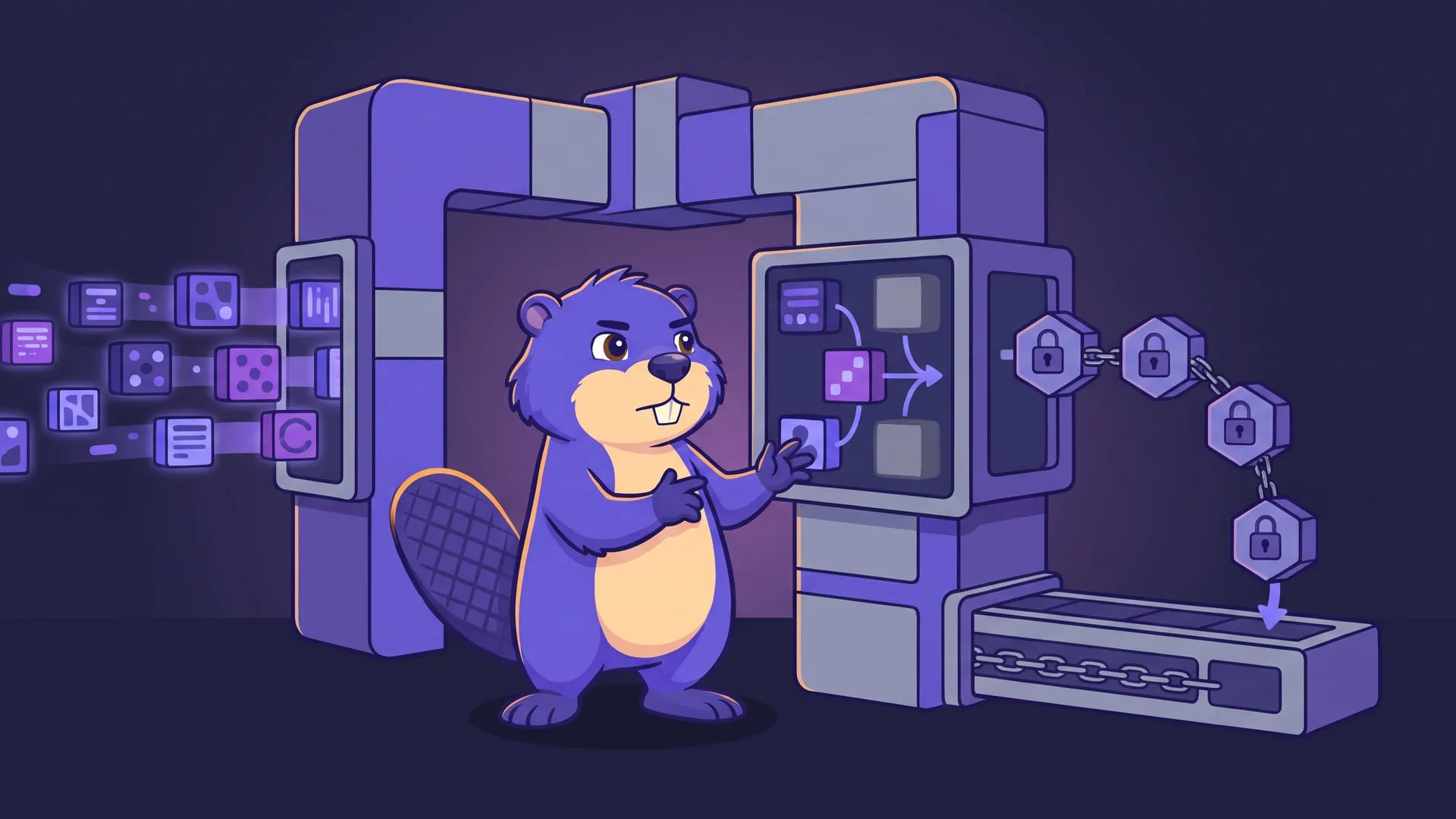
A proxy between an agent and its MCP servers: scans results for injection, masks PII, enforces access and logs decisions to a hash-chained audit log.

What it does today

Sits between an agent and its MCP servers over stdio (`wrap`) or HTTP (`serve`), scans tool results and resource contents for prompt injection, masks personal data, enforces access by tool, role and dangerous capability combination, pins a server's tool definitions and writes every decision to a hash-chained audit log. Anyone wiring MCP servers into agents can try it by cloning and building the repository; it is not published on npm.

Open-Source TypeScript Node.js MCP +2 more
September 2026 — Ongoing

A proxy between an agent and its MCP servers that cuts semantic loops, budget overruns and risky tool calls; its default mode only observes.

What it does today

Sits between an agent and its MCP server, sees every tools/call, and stops repeating loops, sessions that exceed a duration or call budget, and tools the policy forbids. Anyone running agents that call tools over MCP can try it with `npm i -g @tunedness/agentfuse` (0.1.0).

Open-Source TypeScript Node.js MCP +2 more
September 2026 — Ongoing

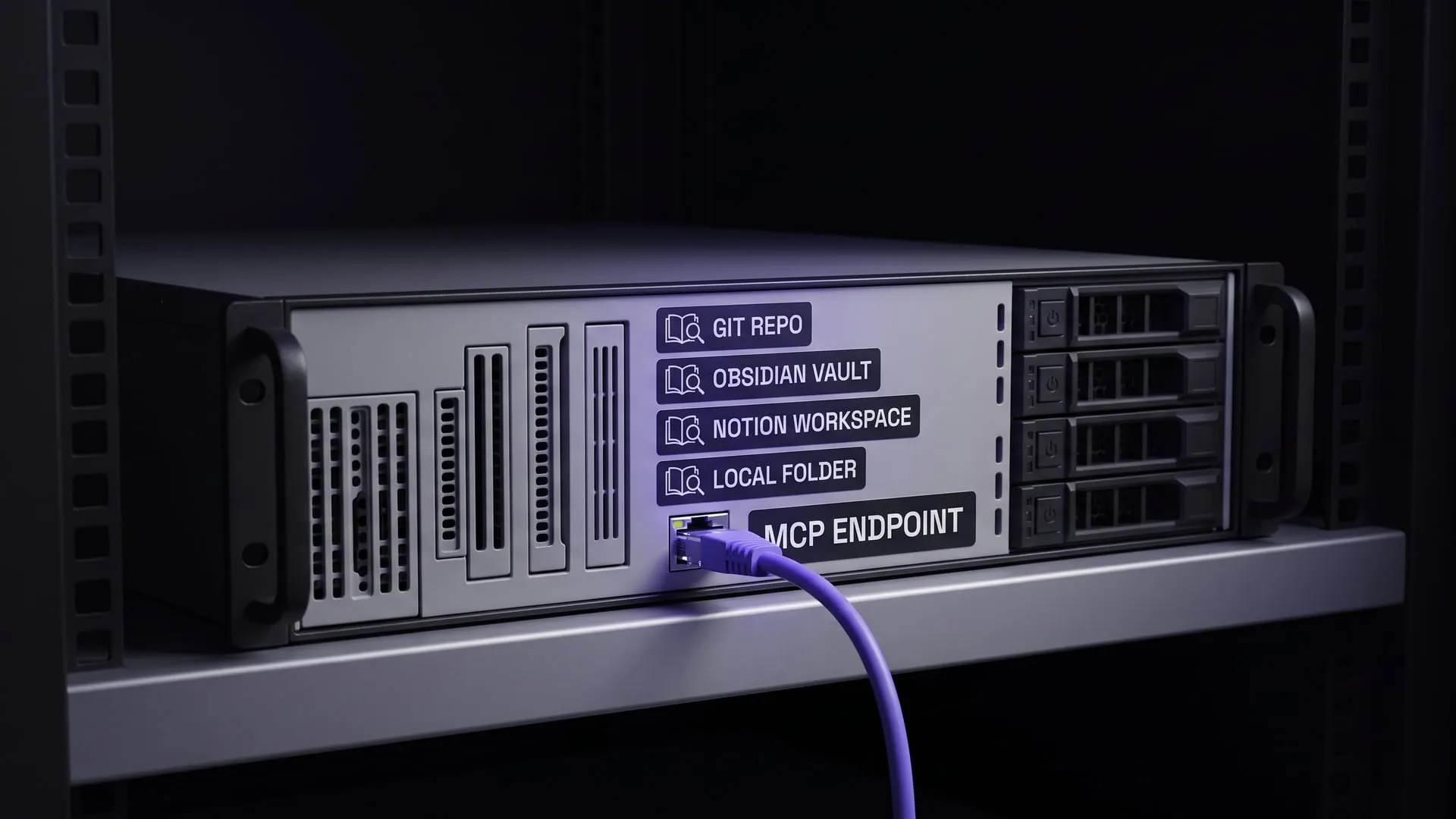
Build notes on serving the documentation of many projects from one multi-tenant server, each with its own MCP endpoint and documents kept on your machine.

What it does today

Makes a project's folder, git repository, Obsidian vault or Notion workspace searchable behind a single MCP endpoint, so an agent reaches the documentation without the data going to a third party. Anyone who can run Docker can host it and manage it from the dashboard.

Open-Source Web TypeScript Node.js Fastify +6 more
August 2026 — September 2026

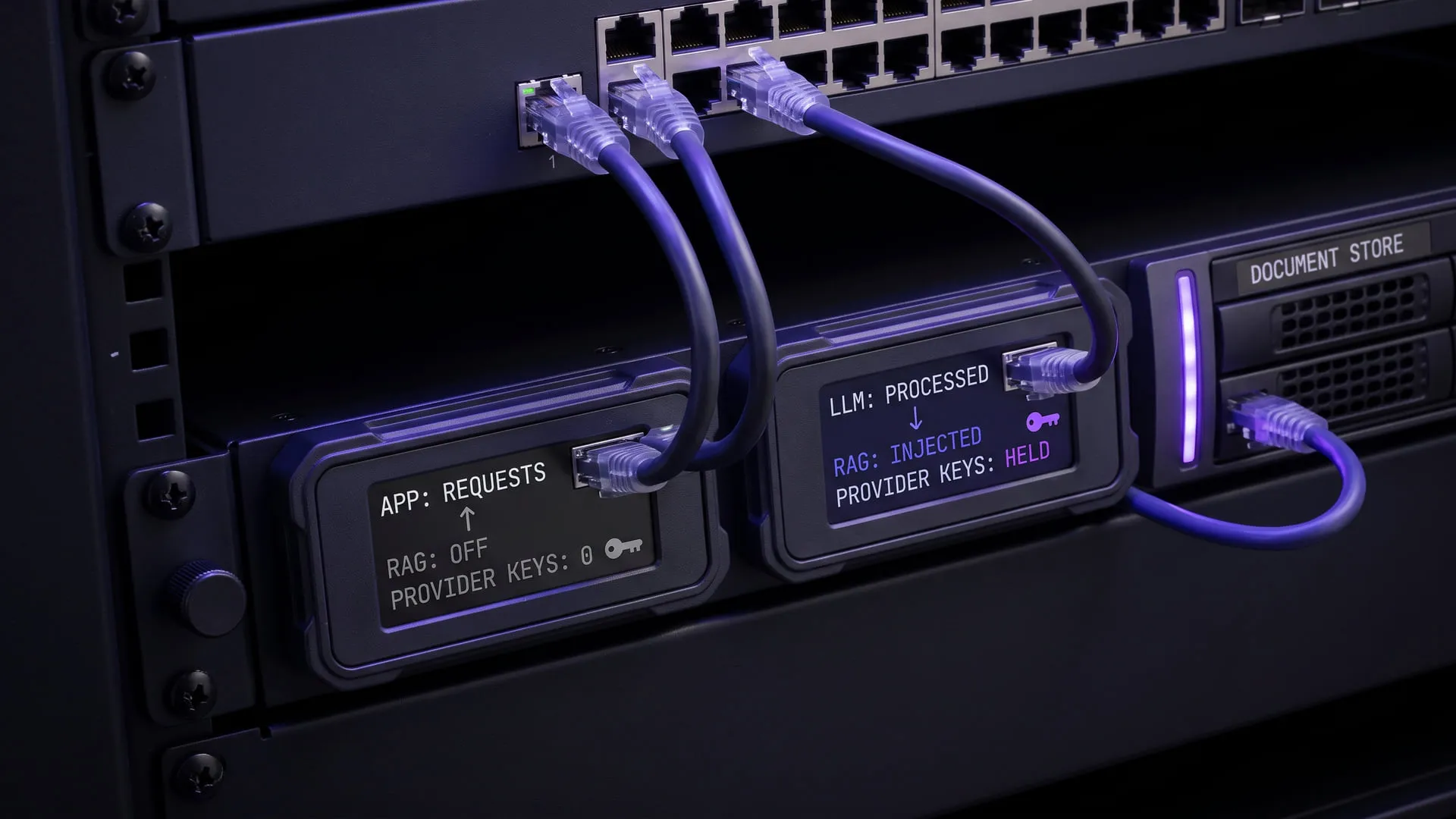
A self-hosted Go gateway holds the provider keys and injects RAG context, so the application talks to one OpenAI-compatible endpoint.

What it does today

Lets an application talk to one OpenAI-compatible endpoint while a project's configuration decides which model the request reaches and, when a document store is linked, which documents it draws context from. Anyone who does not want provider keys spread across applications, and wants spend capped per project, can run it on their own server.

Open-Source Web Go PostgreSQL pgvector +8 more
August 2026 — September 2026

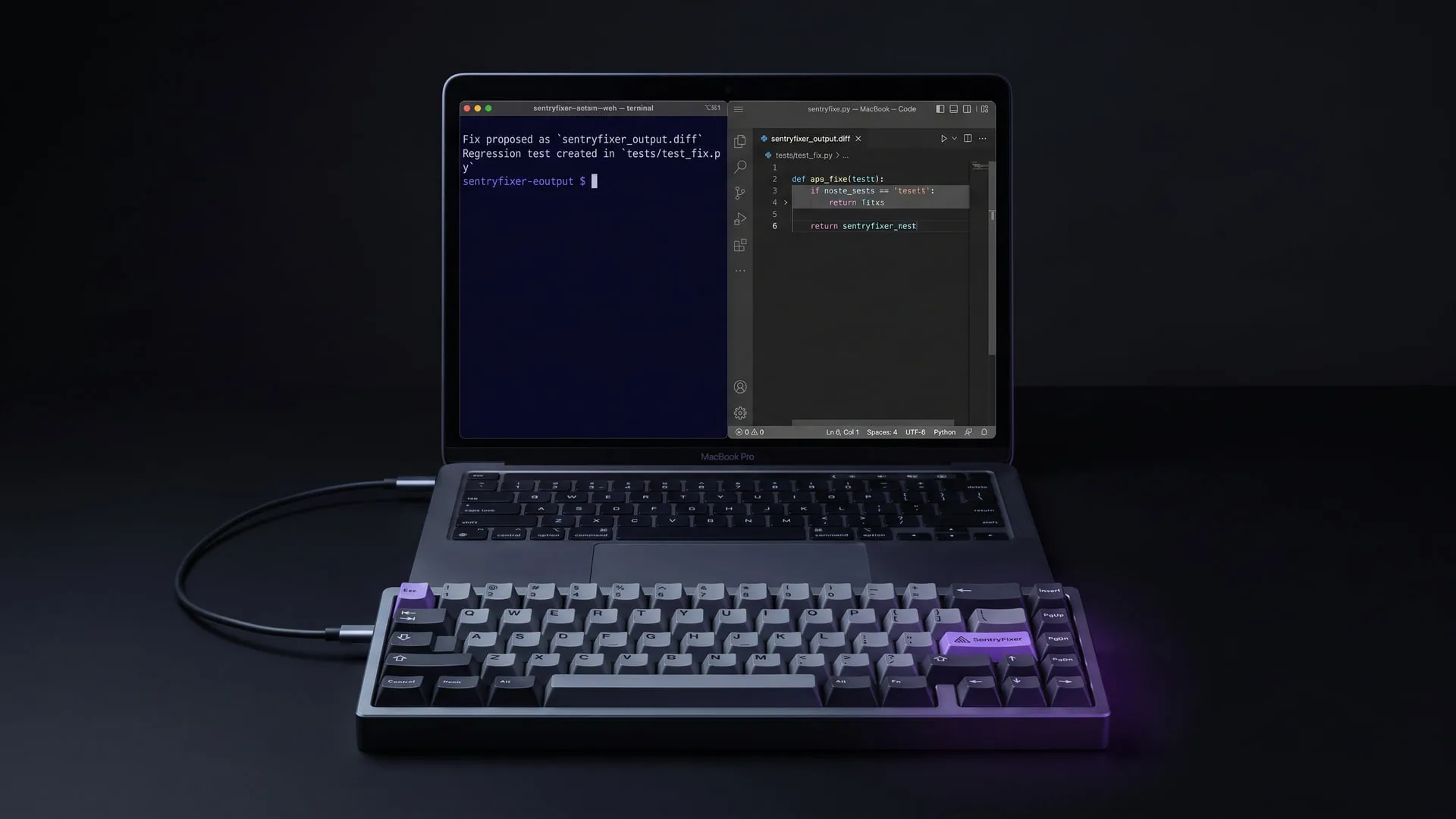
How a Claude Code skill reads a Sentry issue against the working tree and drafts the fix as a diff and a regression test, touching no file before approval.

What it does today

Reads a Sentry issue against the working tree, produces a root-cause analysis and a fix plan, and touches no file without explicit approval. Anyone using Claude Code who needs to triage a production error can install the skill.

Open-Source Python Bash Sentry API +3 more
July 2026 — September 2026

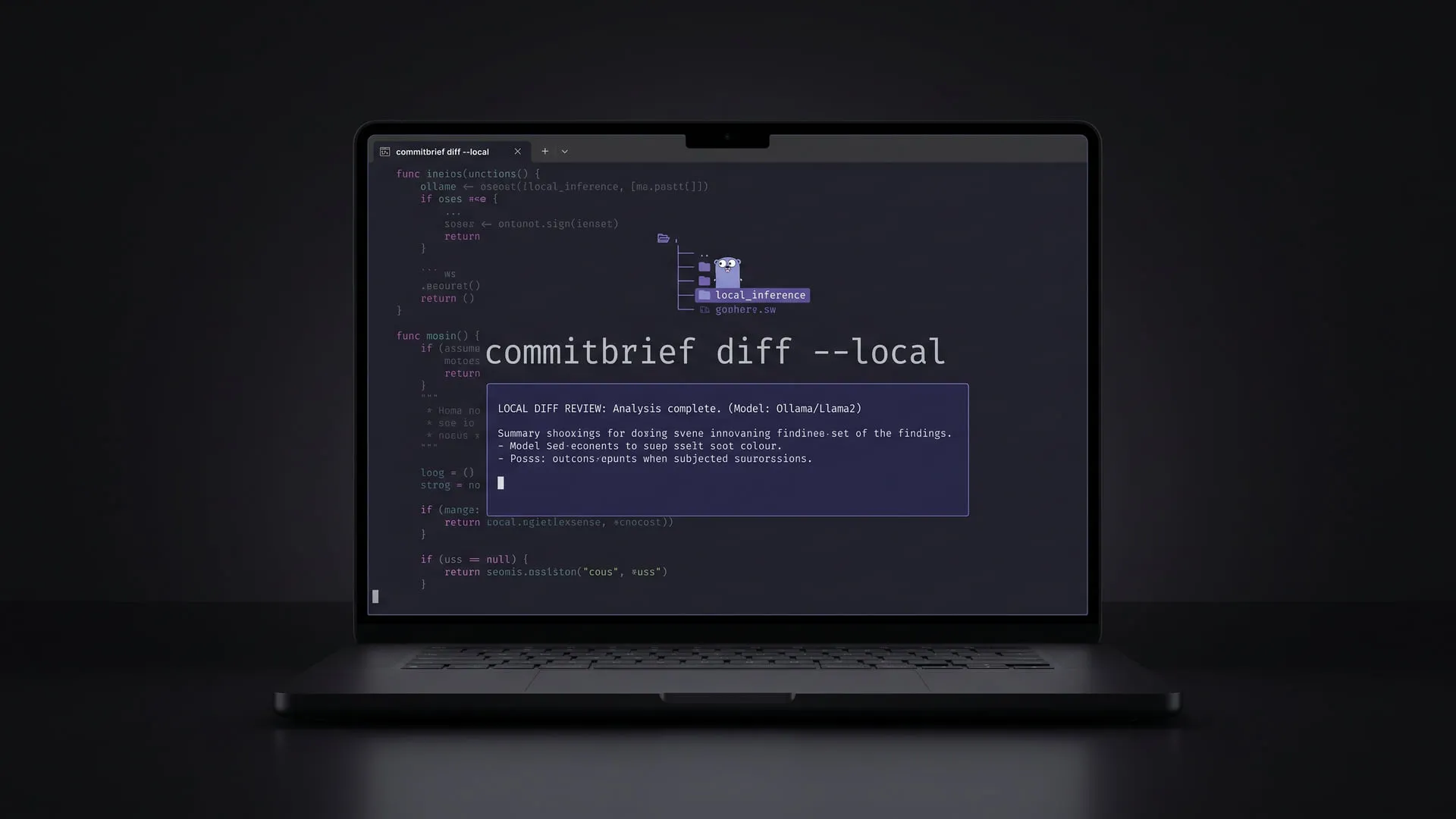
How a provider-agnostic Go CLI reviews a diff without it leaving the machine, and how the experiment reached signed binaries as CommitBrief.

What it does today

Reviews code locally, with the diff never leaving the machine; the `Provider` interface lets Anthropic, OpenAI, Gemini and Ollama plug into one contract. Signed binaries are published — anyone who does not want to hand their diff to a cloud provider can install it.

Open-Source Go Cobra go-git +4 more
January 2026 — April 2026

Search the site

Start typing to search posts, projects and pages.

Esc to close Powered by Pagefind