
Rediscovering Modern CSS
The problems we used to solve with JavaScript and preprocessors now have native CSS answers: container queries, :has(), and native nesting.
Category
HTML, CSS and frontend interface development: layout, component design and browser behaviour, with posts, notes and practical examples.
This category has 19 posts.
The problems we used to solve with JavaScript and preprocessors now have native CSS answers: container queries, :has(), and native nesting.

My evaluation of React 19's form actions model against earlier approaches, including useOptimistic and why real-time validation does not fit the model.

A calm assessment of the Oxide engine and CSS-first configuration approach that Tailwind CSS 4 brings — with the composure a major version bump deserves.

How Pinia replaced Vuex in the Vue ecosystem: less boilerplate, better TypeScript support, and a more mature approach to state management.
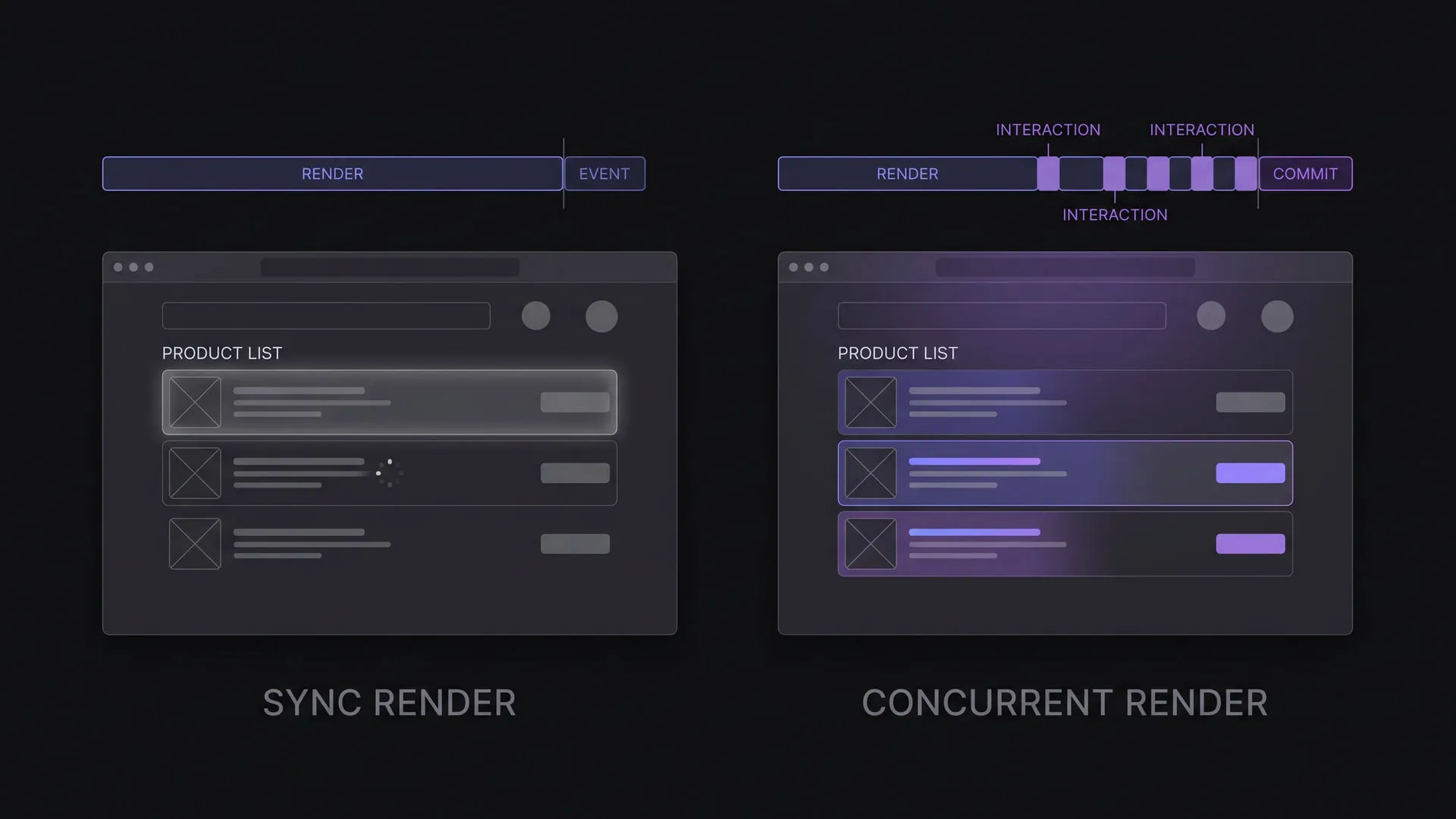
How React 18's concurrent render model changes application behavior: createRoot, useTransition, automatic batching and the practical cost of upgrading.

I compare the visibility problem that client-side rendering creates for search engines and evaluate server-side rendering alternatives.

I discuss what the Composition API brings over Options API in Vue 3, and when you should prefer it, with concrete examples.

When should you reach for Alpine.js, and when should you not? I discuss the right scale for UI needs that don't require a full framework.
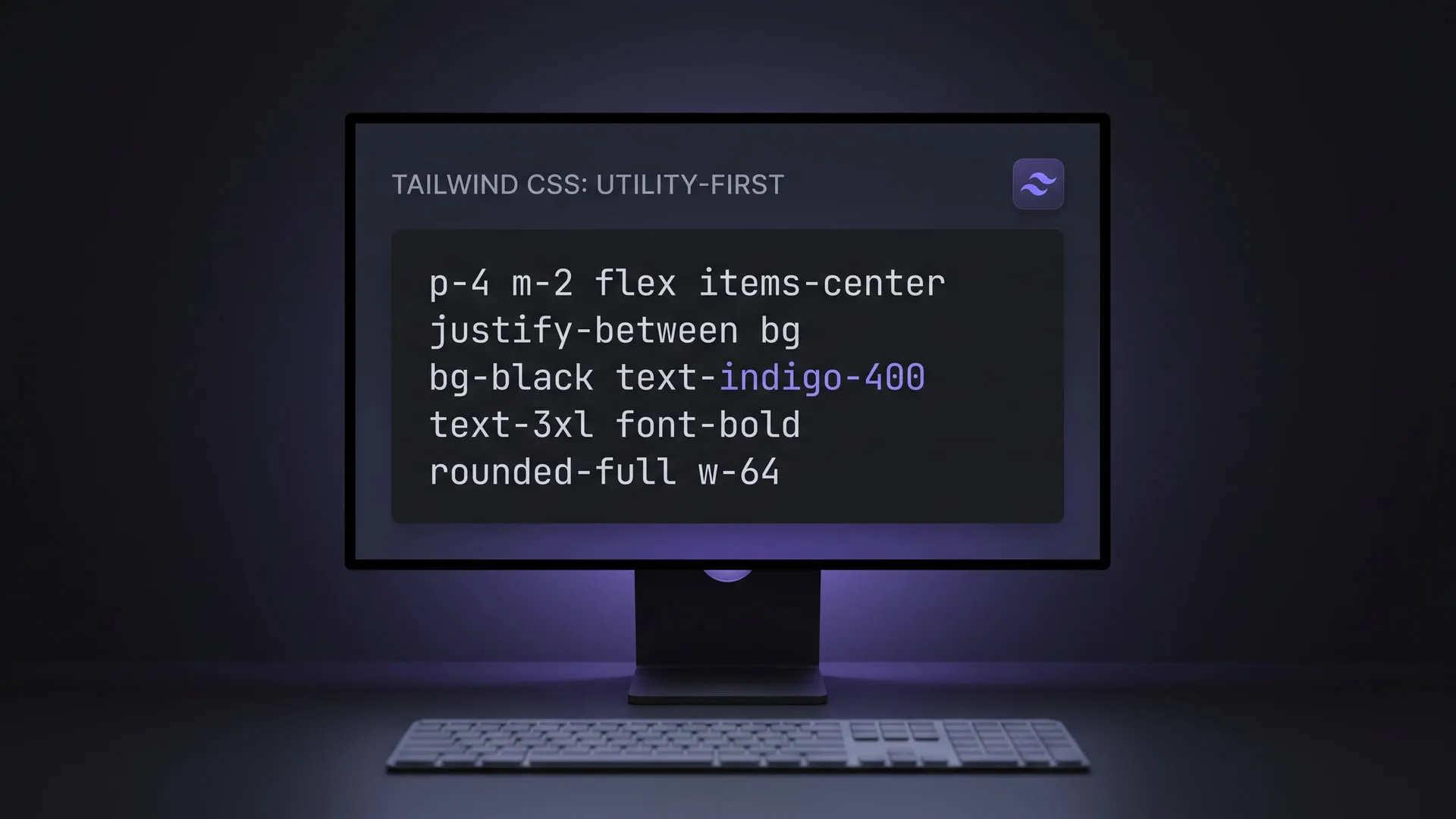
Why I adopted the utility-first CSS paradigm with Tailwind CSS v1.0, the trade-offs I encountered, and when it actually makes sense.
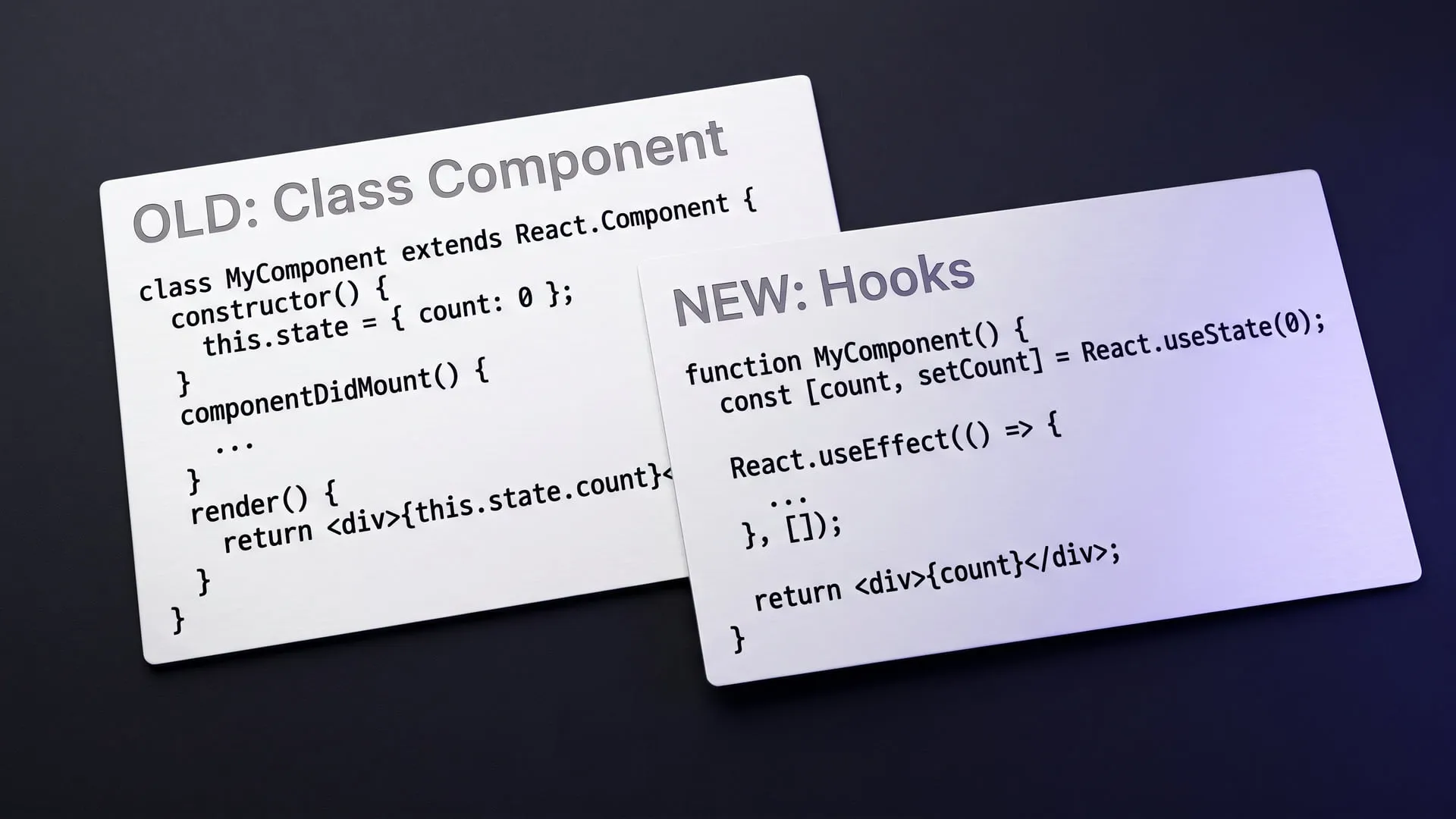
React 16.8 introduced the Hooks API: how it shifted component authoring from classes to functions, what you gain, and what to watch out for.

Practical notes on keeping the request/response layer clean in the UI using Axios interceptors, error handling, and shared configuration.

How I shifted from page-centric to component-centric thinking, and how Vue.js makes that shift practical through props, events and reusable components.