
HTTP Basic Authentication
What is HTTP Basic Authentication, how does it work, and when should you use it? A practical breakdown of the oldest auth mechanism in the web stack.
Category
API design, forms, authentication and the server-side features of web applications: methods, security and hands-on worked examples.
This category has 23 posts.
What is HTTP Basic Authentication, how does it work, and when should you use it? A practical breakdown of the oldest auth mechanism in the web stack.

A practical look at JWT authentication — token structure, signing mechanics, and the trade-offs you need to understand before reaching for it.

Designing API operations that produce no side effects when repeated; idempotency keys and practical implementation at the application layer.

Adding live updates with Laravel Broadcasting: event-driven publishing, Pusher integration, and listening on the client side.

Deriving documentation from code and sharing one source of truth with clients: fitting the OpenAPI specification into a daily workflow.
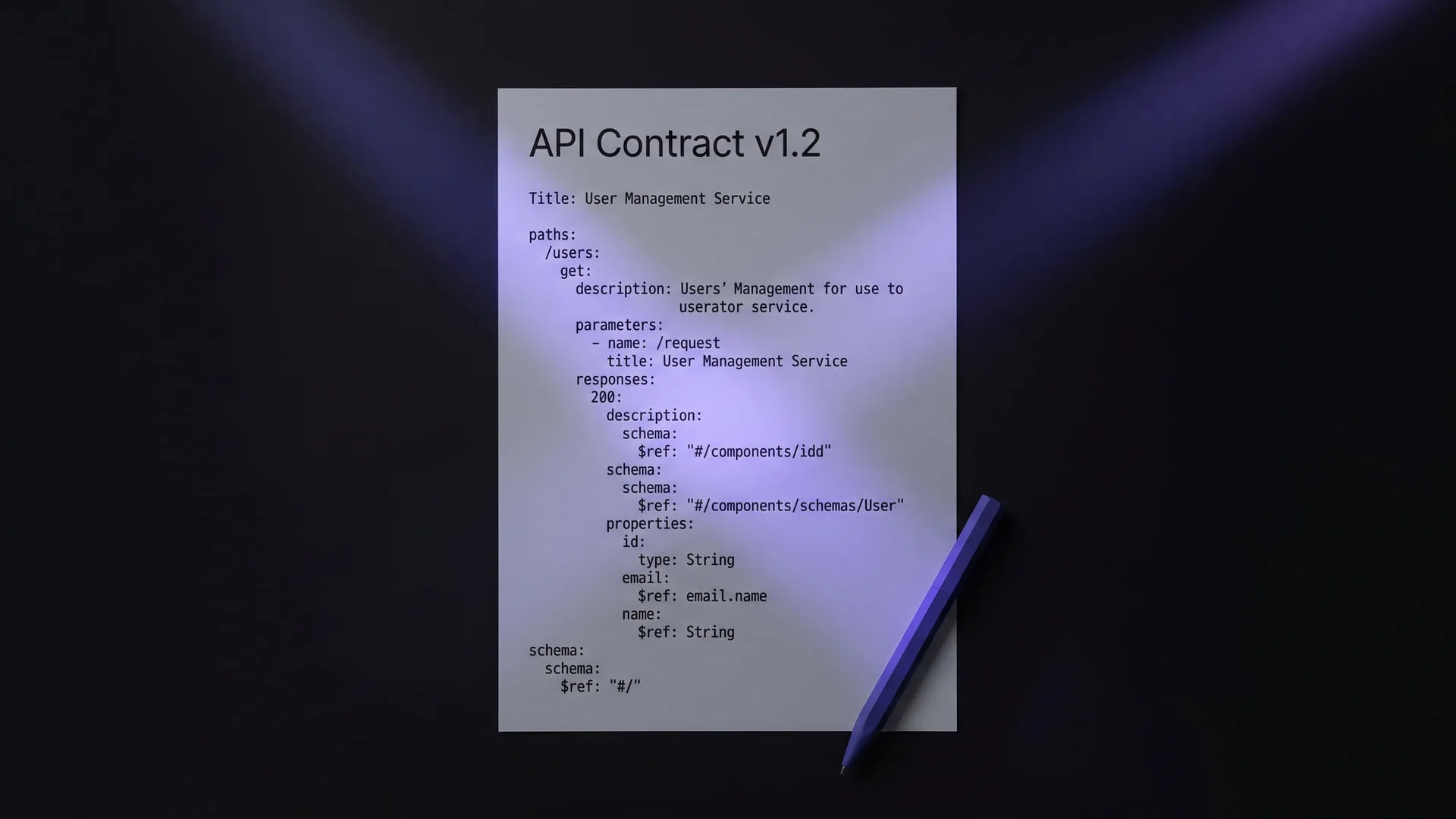
How a contract-first approach aligns expectations across teams before a single line of code is written, and what it looks like in practice.

While solving a real over-fetching problem with GraphQL, I weigh where REST is still sufficient and where GraphQL actually makes sense.

How binding API error responses to one consistent contract simplifies client development and debugging: structure, codes, versioning and limits.

How Laravel Sanctum solves SPA authentication, and why its cookie-based approach is cleaner than token-based alternatives.
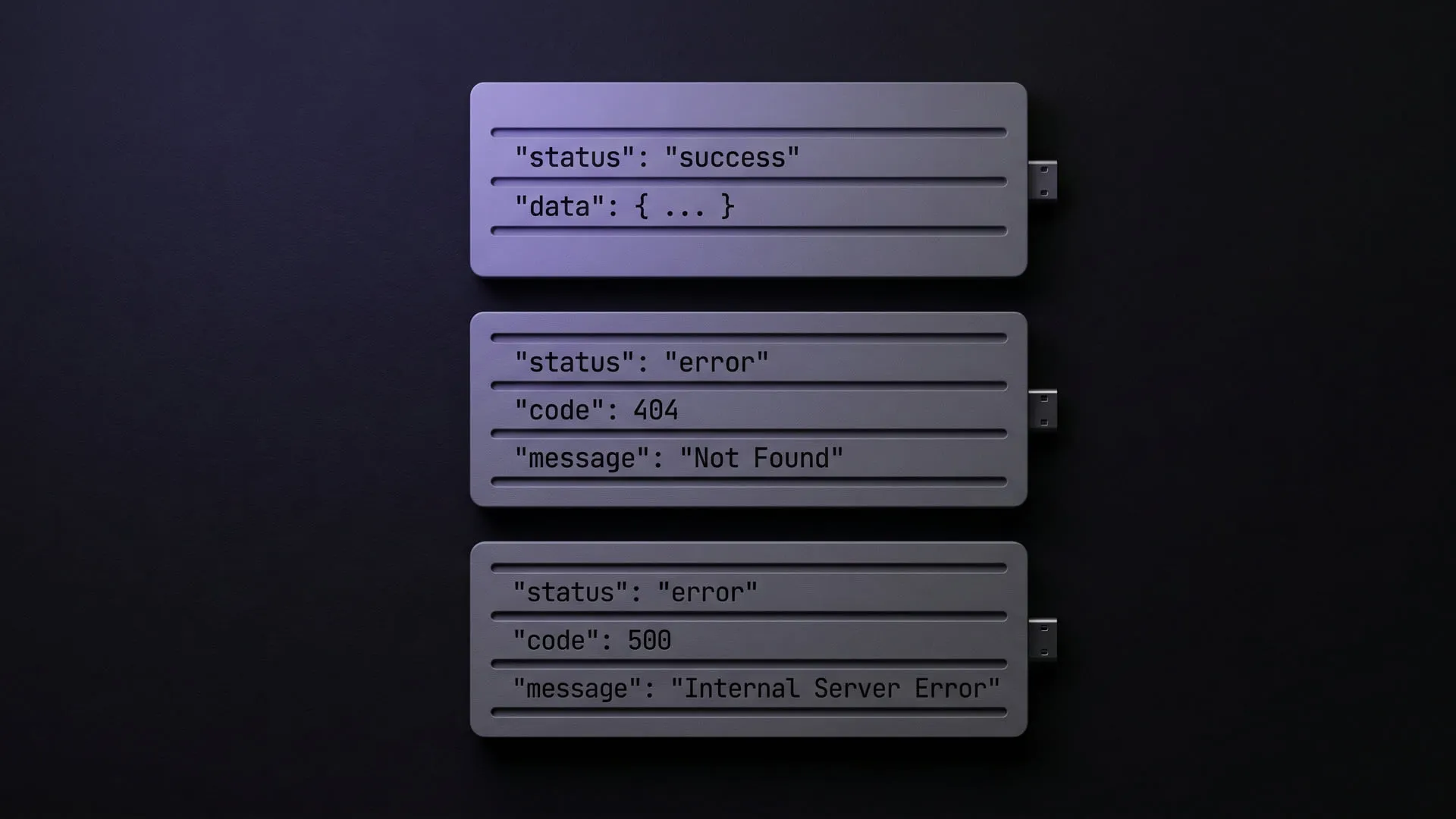
How returning the same response structure from every endpoint simplifies client code and makes errors predictable, with a PHP wrapper class.

How do you evolve an API without breaking existing clients? A comparison of versioning strategies with their trade-offs, drawn from real-world experience.

How I use Laravel's task scheduler to run many scheduled jobs from a single cron entry, keeping the scheduling logic readable and version-controlled.