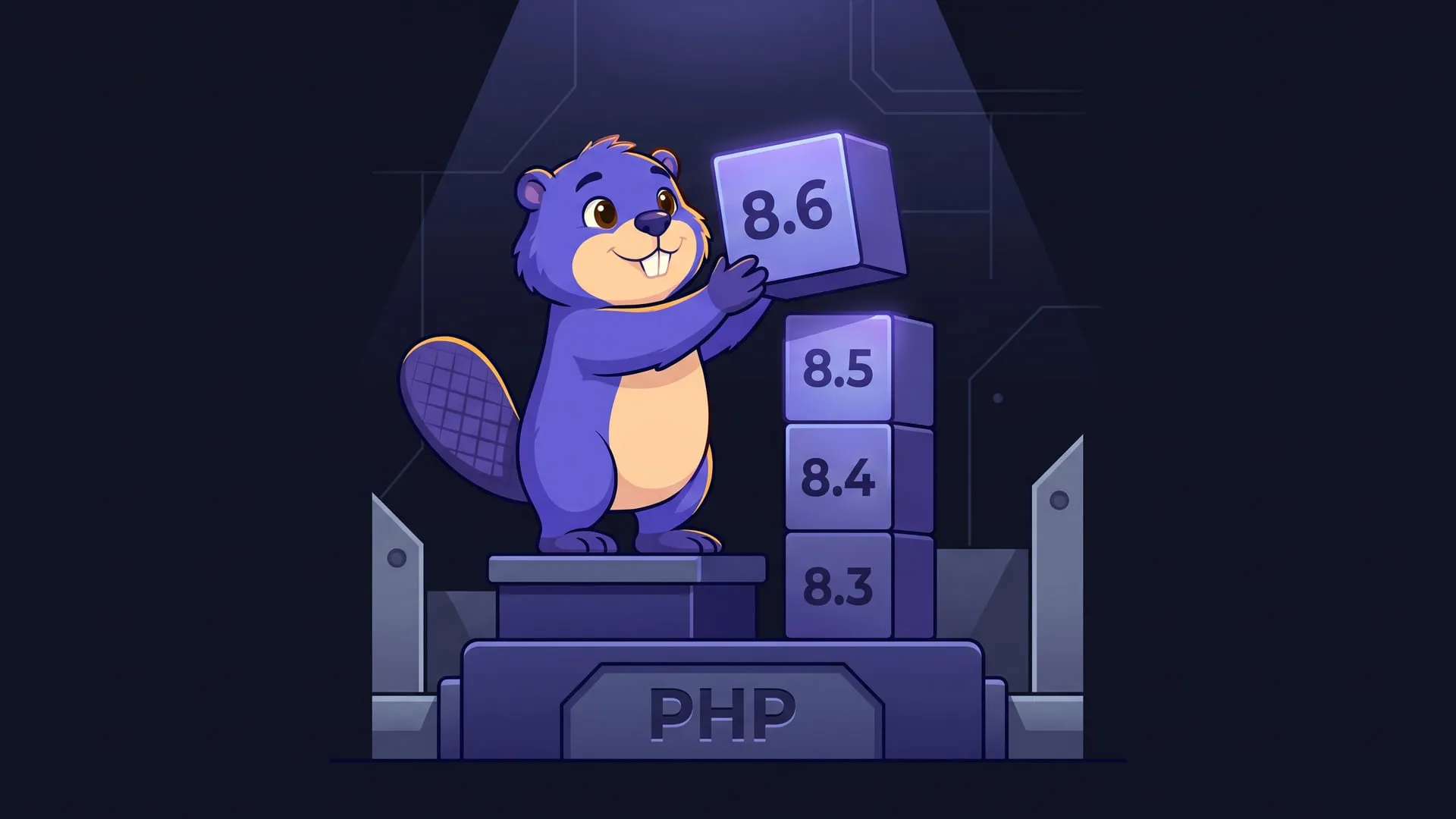
PHP 8.6 is on the way: the language's steady evolution
Before PHP 8.6 ships: why predictable annual releases and 'boring' versions of a mature language are actually good news.
Category
Features, syntax and practices of the PHP, JavaScript, TypeScript, Go and Python languages, with release notes and worked examples.
This category has 50 posts.
Before PHP 8.6 ships: why predictable annual releases and 'boring' versions of a mature language are actually good news.
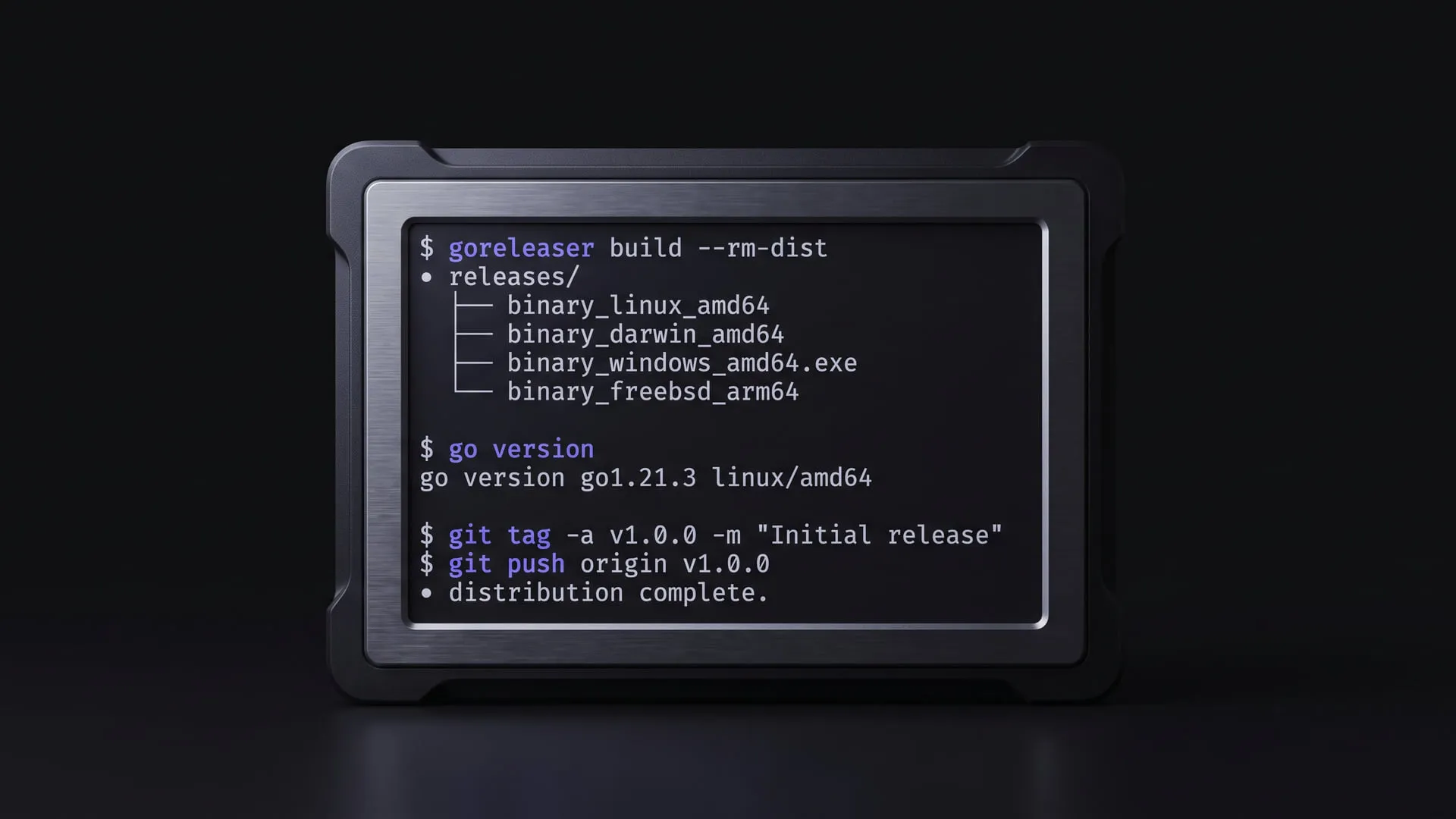
Writing a Go CLI is half the work; versioning it, cross-compiling it and distributing it so others can install it effortlessly is the other half.
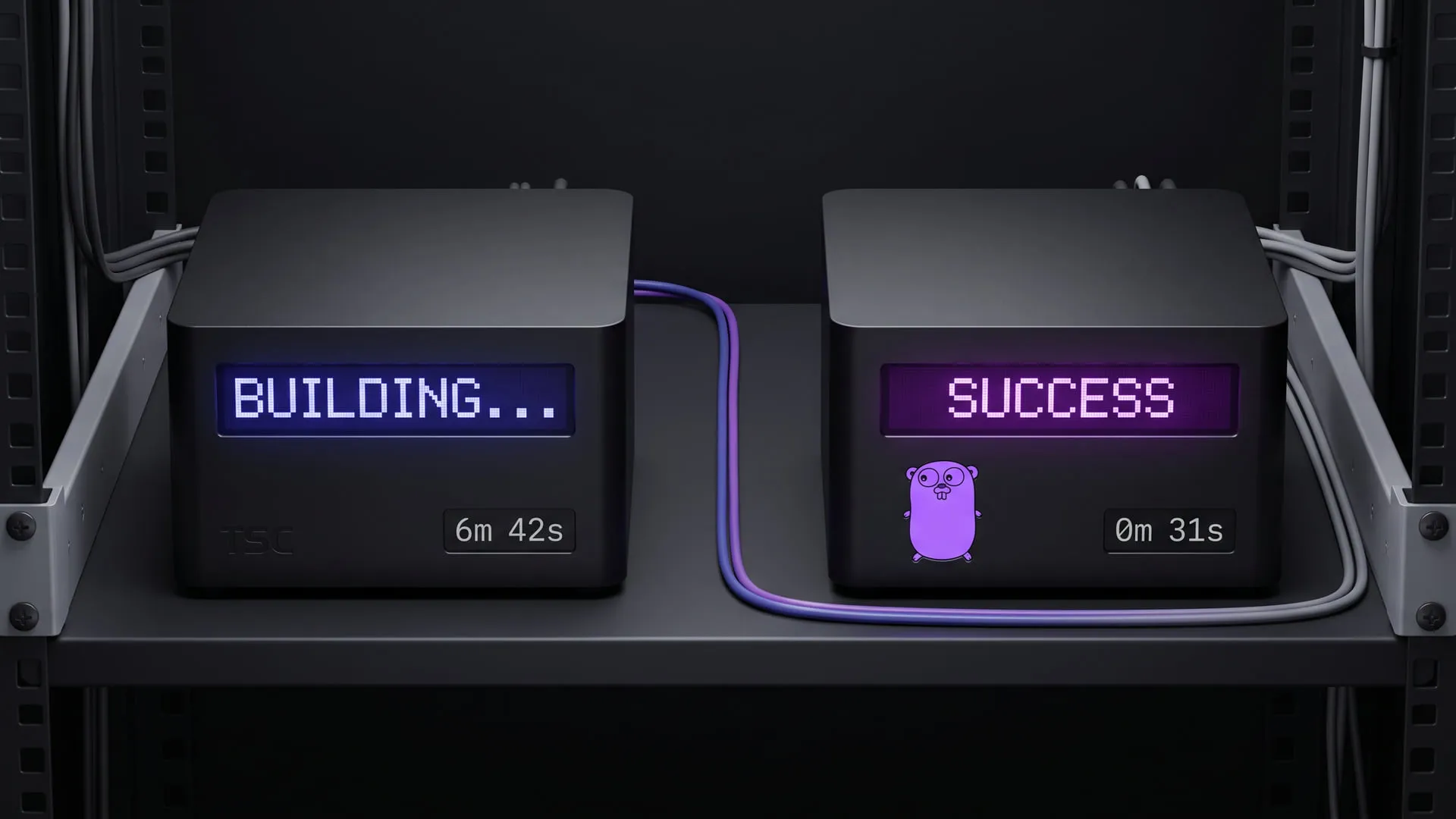
TypeScript's compiler ported to Go: why Go, why a fast feedback loop matters so much to developers, and what the move teaches a polyglot.
A view from 18 years of PHP: the 2026 state of the language through W3Techs, Stack Overflow, JetBrains and Packagist data — weaknesses included.
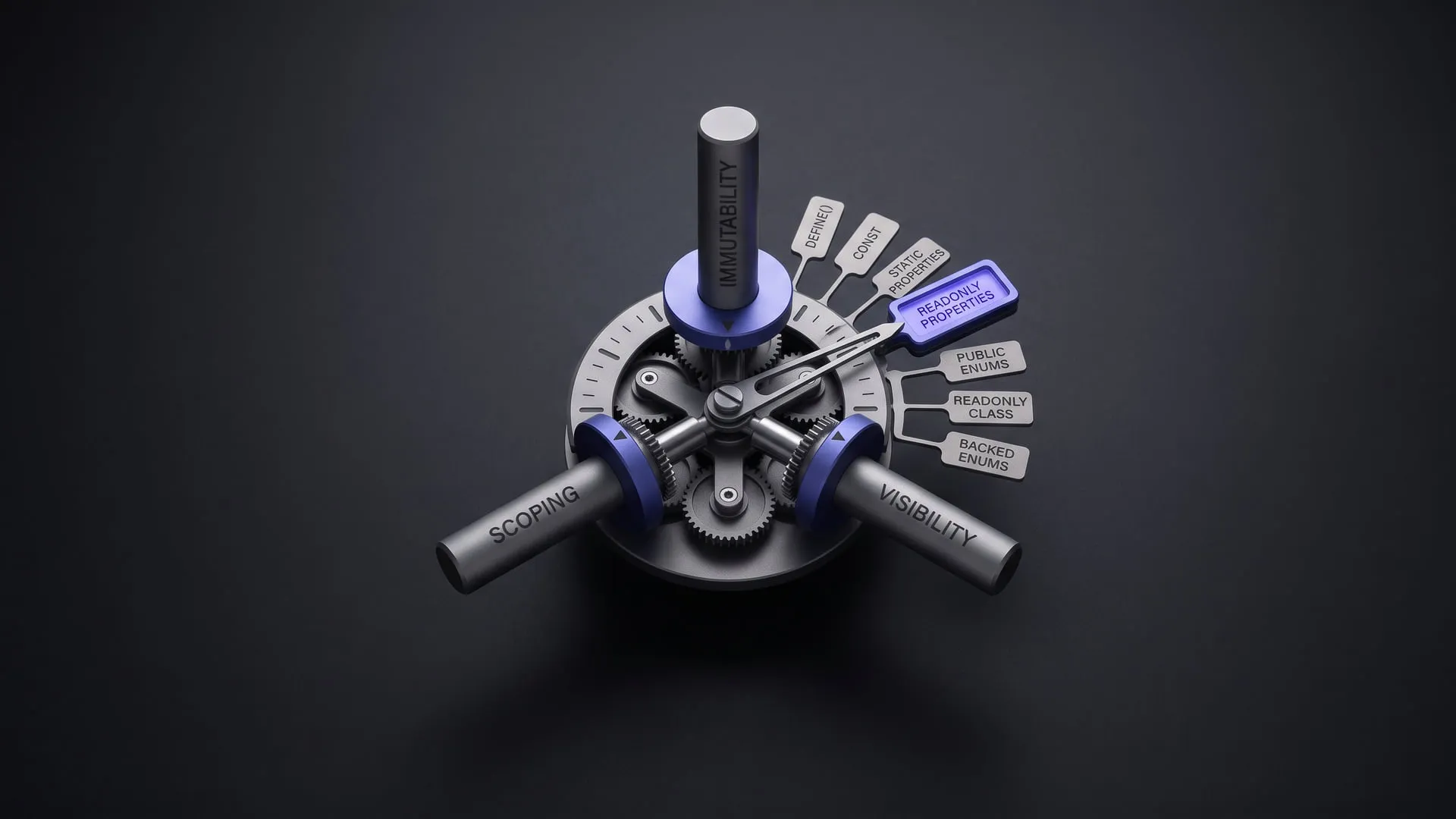
From define to asymmetric visibility — a three-axis mental model and a concrete decision matrix for getting immutability right in modern PHP.
The state of PHP in 2026: language maturity, ecosystem health, where the "it's dead" narrative comes from and where PHP is still the right choice.

PHP 8.5 isn't out yet, but reading through the proposals on the table reveals how a language evolves over more than a decade.
How much mileage Go's rich standard library actually gives you, and a principled way to decide when to reach for an external dependency.

Property hooks and asymmetric visibility in PHP 8.4, how they work with interfaces and readonly, and how they change the way we model class properties.
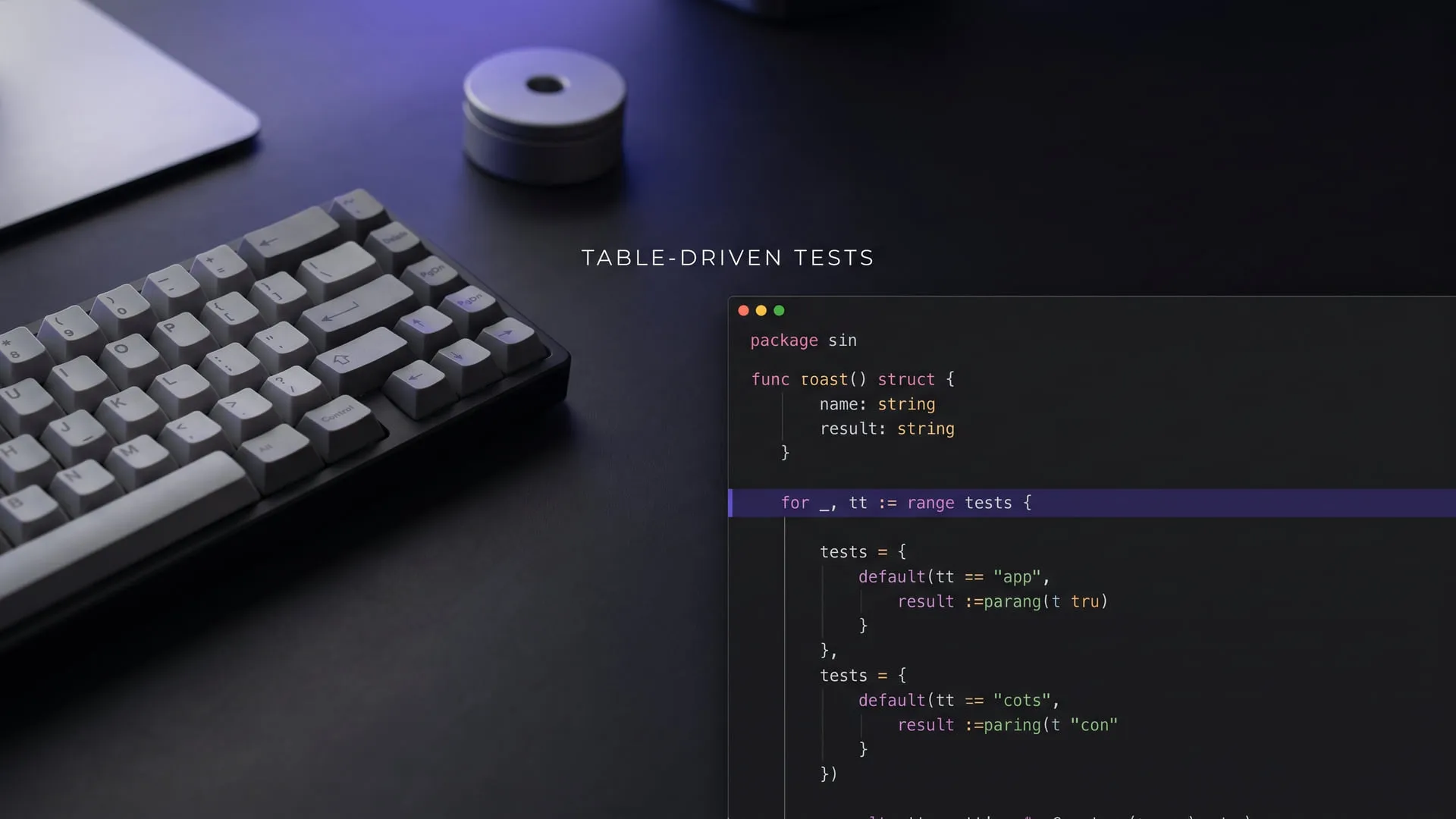
A hands-on introduction to Go's standard testing package and the table-driven test pattern, embracing the language's minimal testing philosophy.

Typed class constants, json_validate, #[Override], and dynamic constant access in PHP 8.3 — the language's steady steps toward consistency.
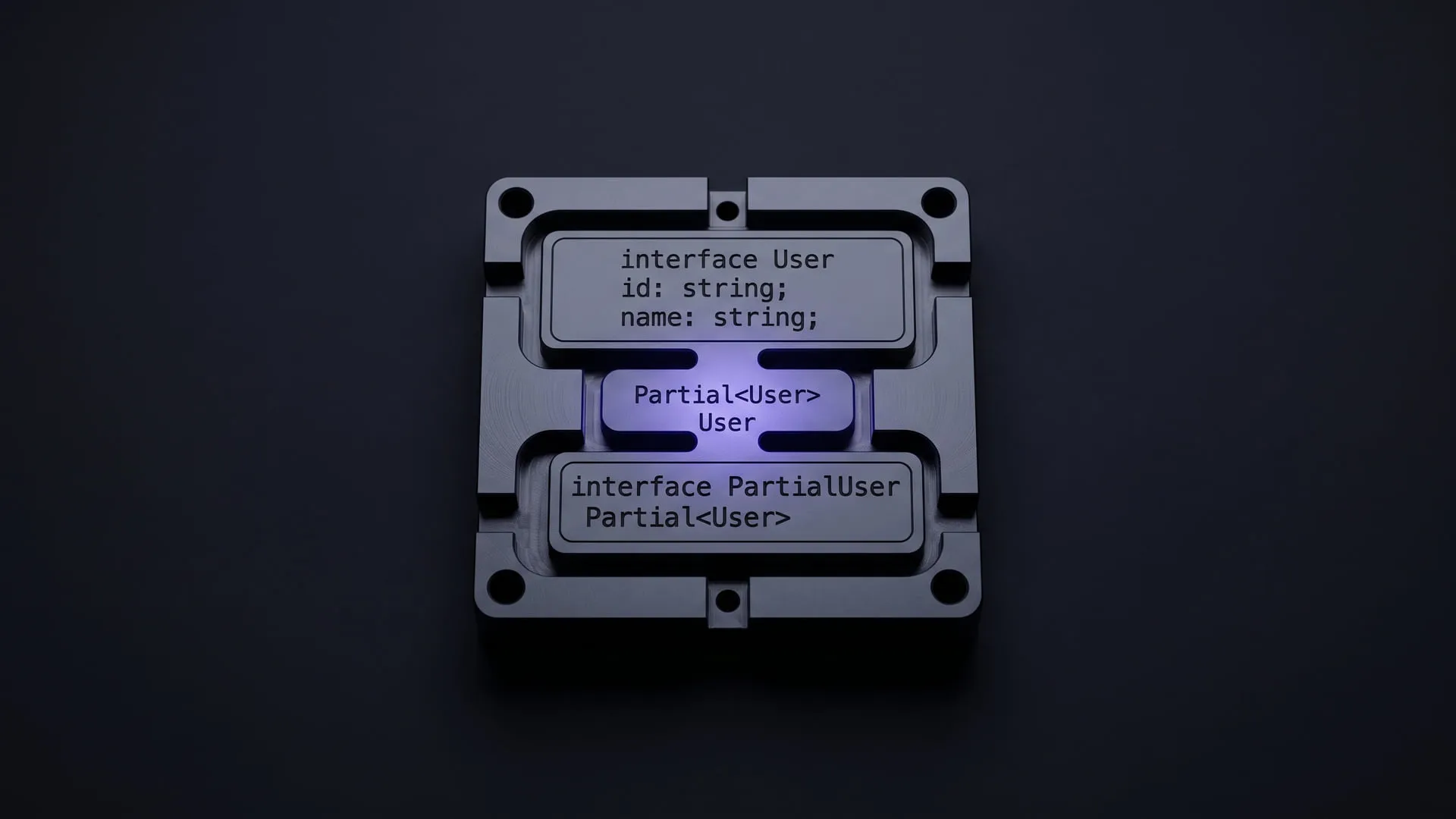
TypeScript's built-in utility types and type transformations, from Partial and Pick to conditional and mapped types, and when you really need them.