
Corporate or Owner-Run? Size Isn't What Separates Them
What separates company types isn't headcount but where decisions are made and how much reasoning gets written down. Four axes, three desks.
Series
What separates a process-driven corporate from an owner-run company — each post from three desks: engineer, manager, owner.
This series has 10 posts.
Part 1
What separates company types isn't headcount but where decisions are made and how much reasoning gets written down. Four axes, three desks.
Part 2

Companies don't fail at going fast or going slow — they fail at matching the speed to the decision. A reversibility frame, and three desks to view it from.
Part 3
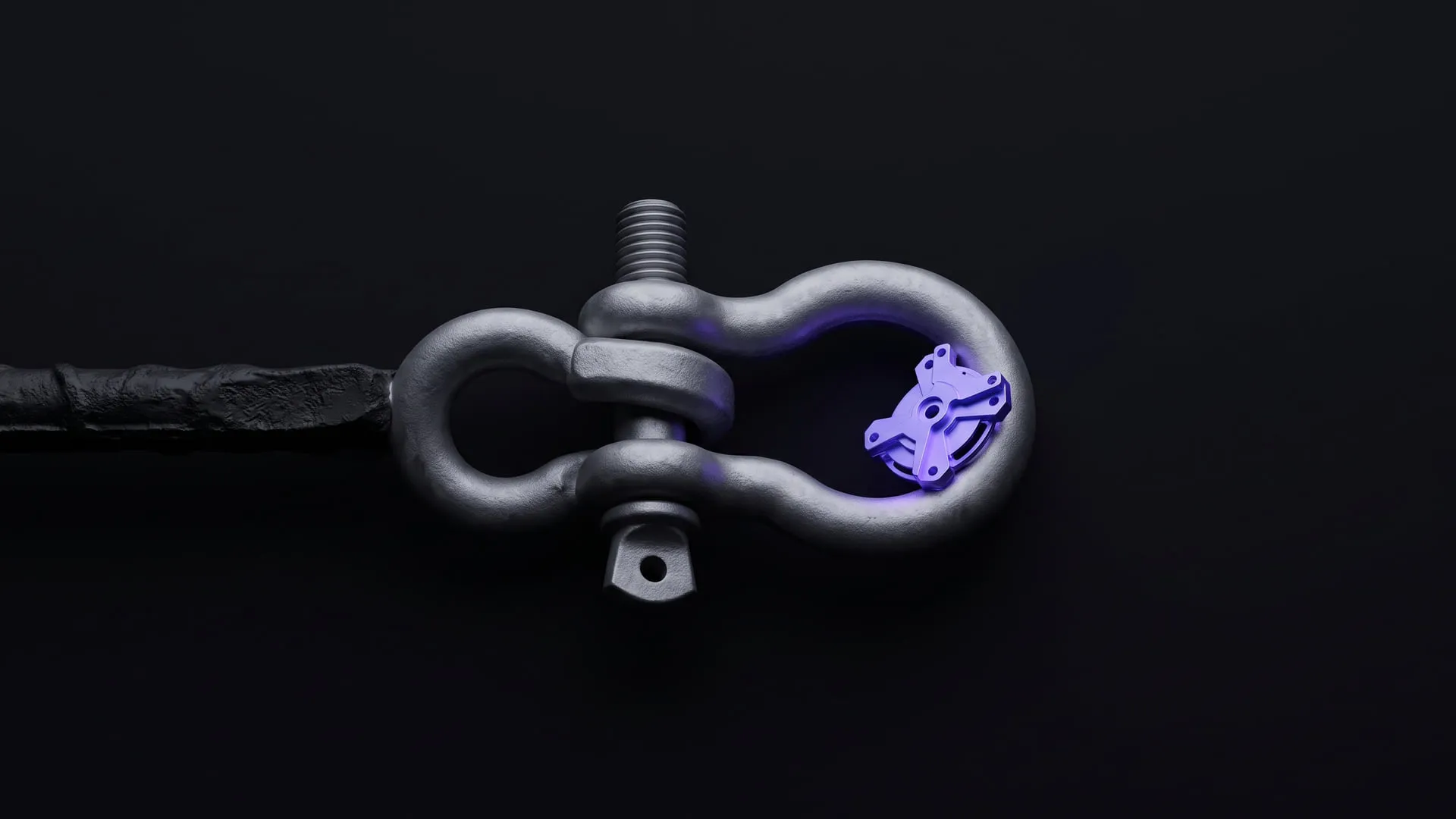
Process isn't a virtue — it's a coordination tax you pay. When it should be added, why it never gets removed, and how it looks from three different desks.
Part 4
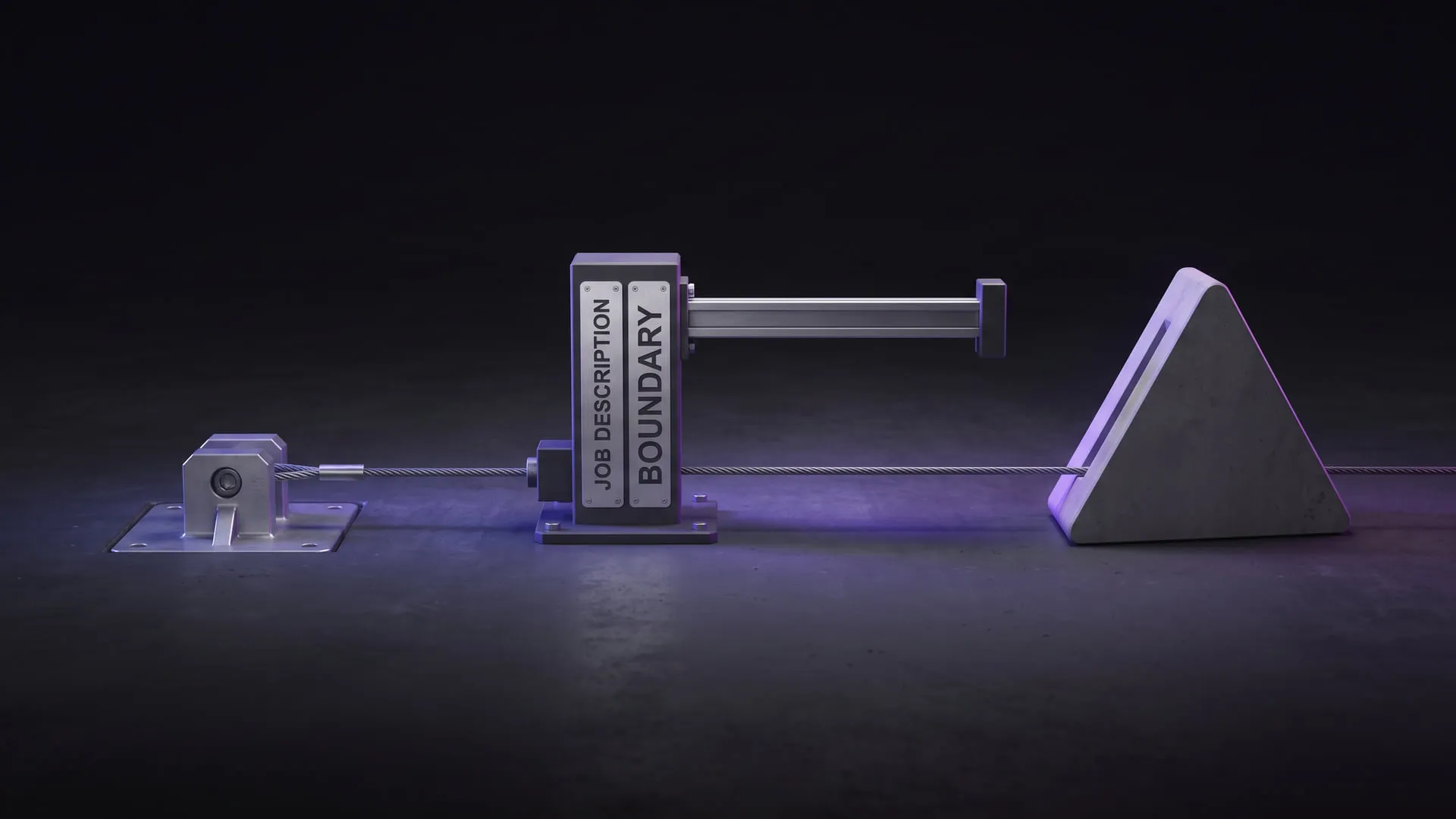
A role gap closed by individual sacrifice becomes invisible — and an invisible fault never gets fixed. Drawing a boundary, from three desks.
Part 5
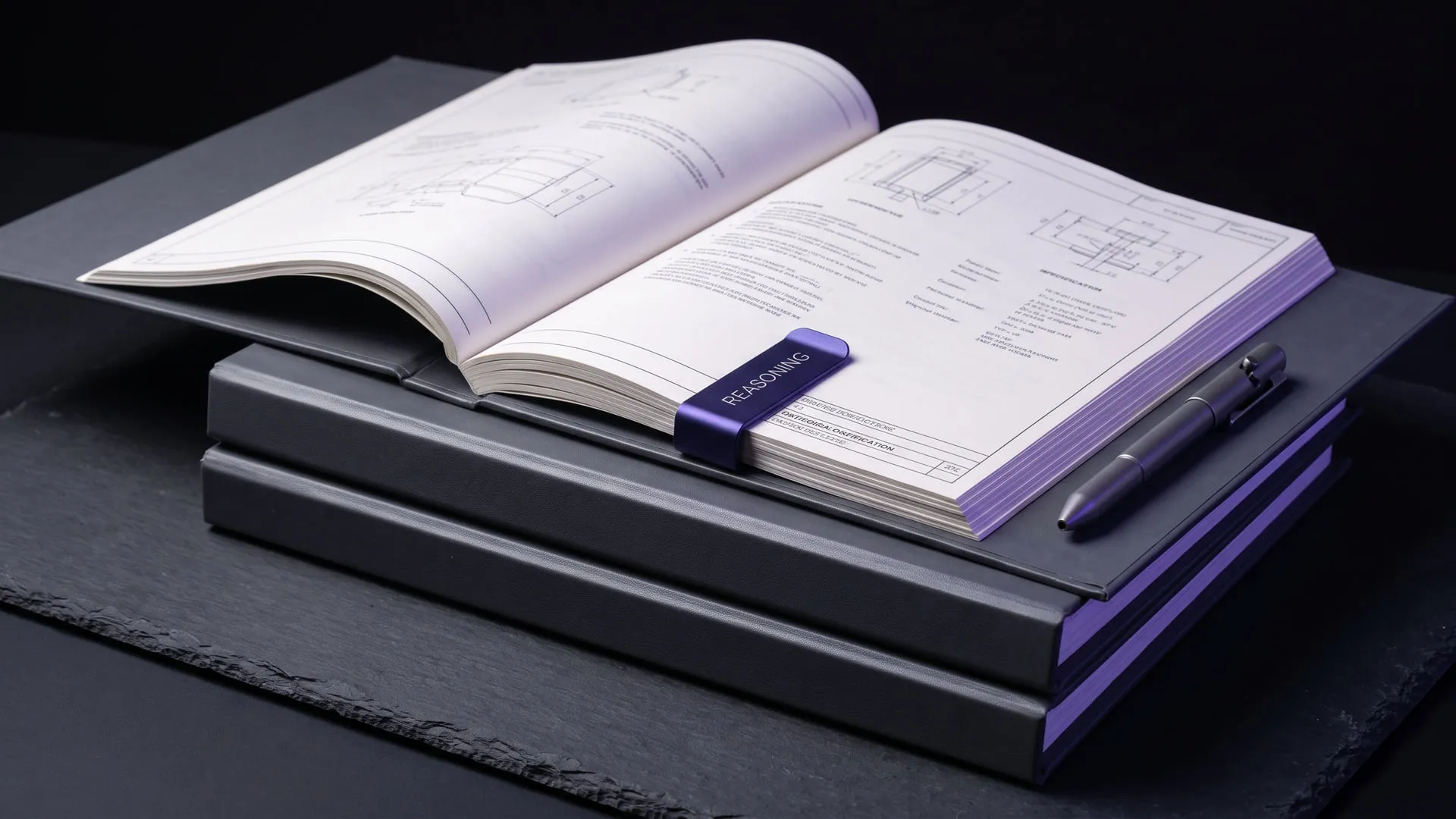
Knowledge stuck in one person's head and knowledge buried in a wiki nobody reads end up the same way: the reasoning behind a decision is unreachable.
Part 6
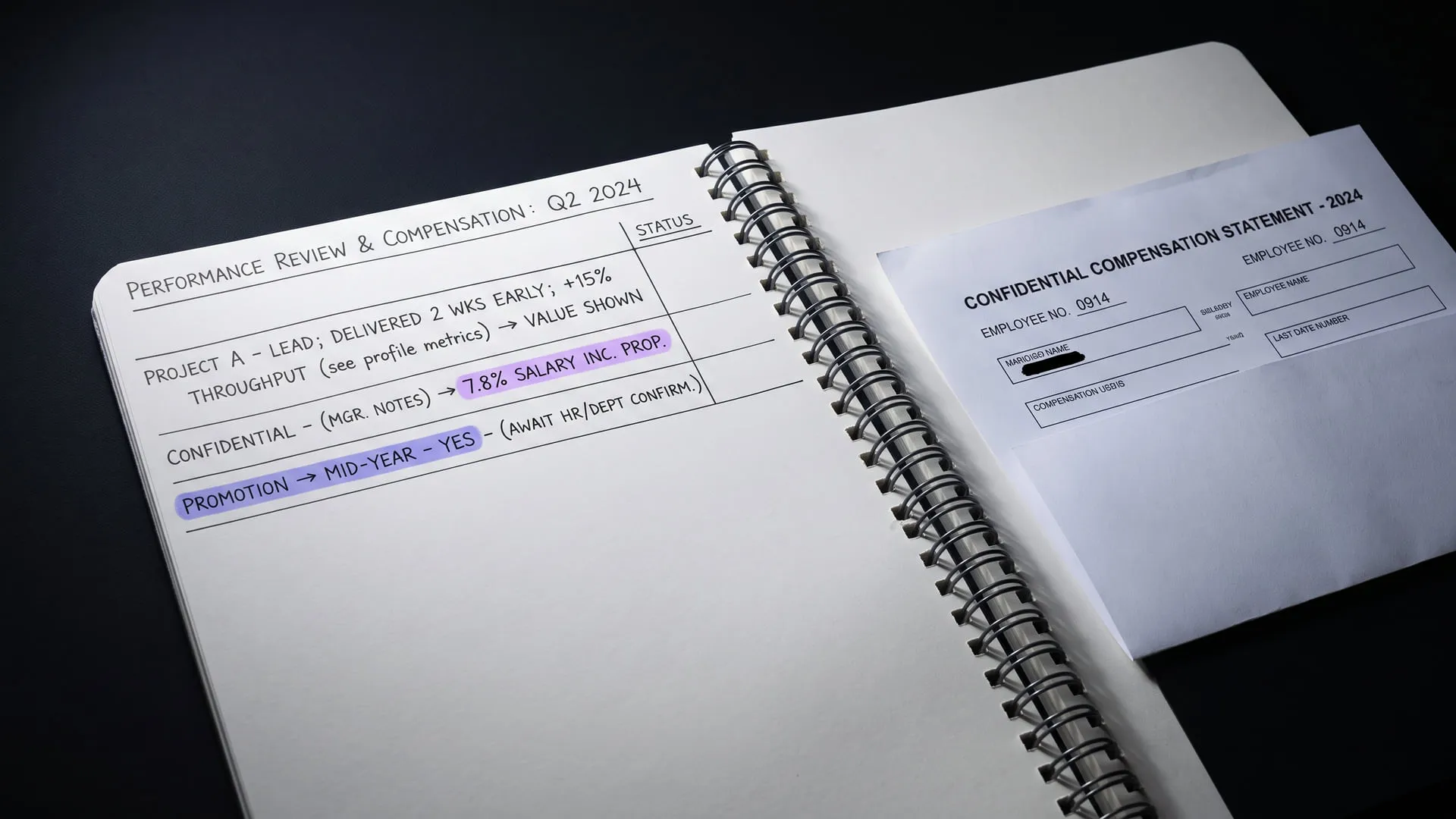
In a corporate a raise hangs on a spreadsheet; in an owner-run company on a memory. A system doesn't change the outcome, only the language.
Part 7

The status meeting isn't an information tool, it's an insurance policy. A critique that takes meetings seriously before taking them apart.
Part 8

The first question asked when production goes down sets a company's culture for years. The human side: fear, silence, and what changes later.
Part 9

Growth is a staircase, and the same thing breaks on every step: the capacity of informal coordination. Reading the transition from three desks at once.
Part 10
There is no right company type — only wrong matches. Closing the series: what each type teaches, and eight questions to ask in your next interview.