The Silent Failure Is the Most Dangerous One: Fail-Closed in CommitBrief
On a partial config, one CommitBrief command silently turned off secret scanning. Silent failures I closed July to October, and the rule: fail closed.
Tag
Version control with Git: branching strategy, rebase discipline and hunting bugs in production, covered in posts with practical examples.
There are 10 posts with this tag.
On a partial config, one CommitBrief command silently turned off secret scanning. Silent failures I closed July to October, and the rule: fail closed.

In CommitBrief, what counts as the 'same' finding moved from the title to a rule ID; baseline, policy and PR threads were built on that decision.
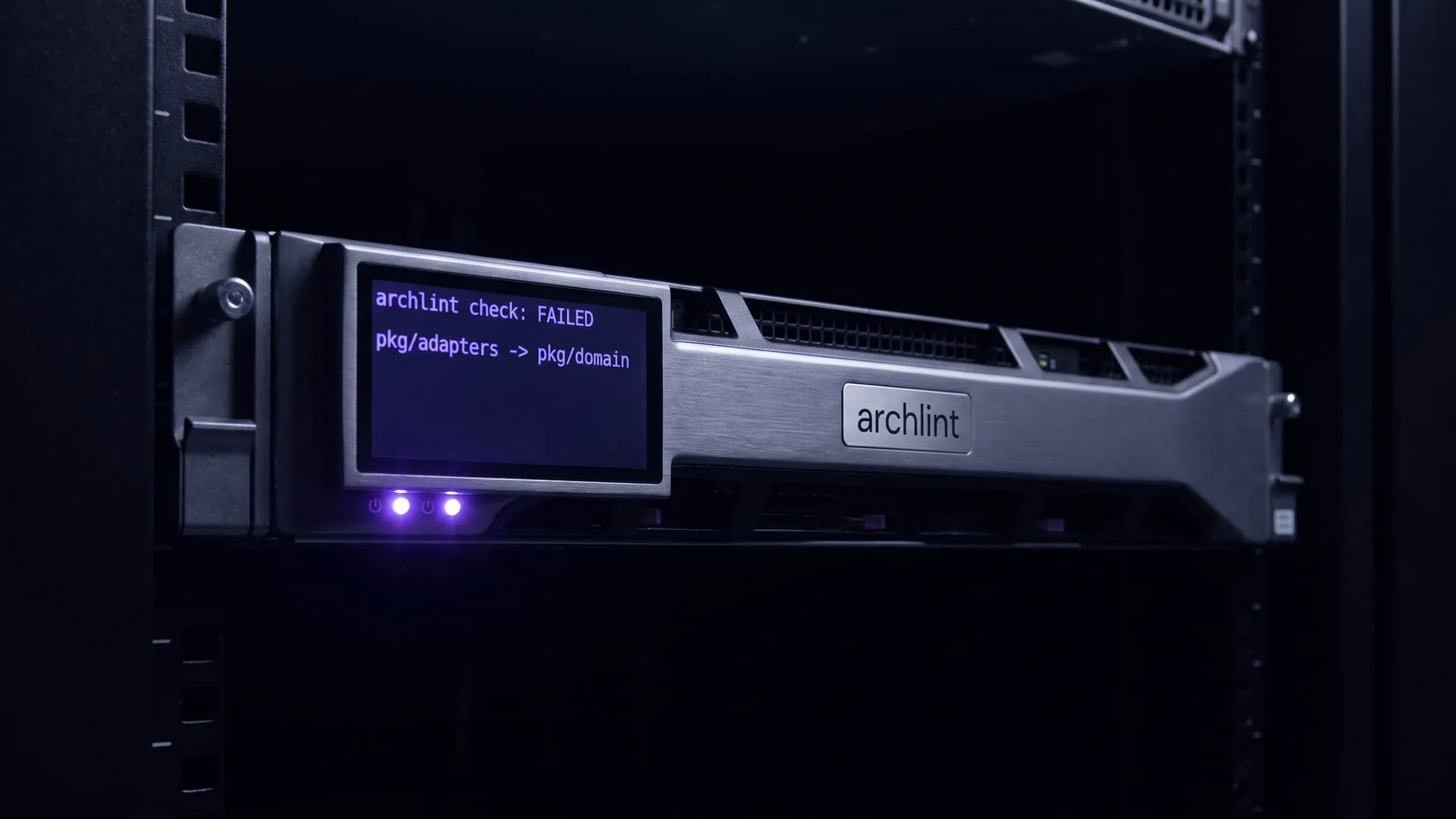
Architecture decisions rot in the code. One architecture.json lets archlint enforce Go, TypeScript and Python boundaries in CI on every commit, no model.
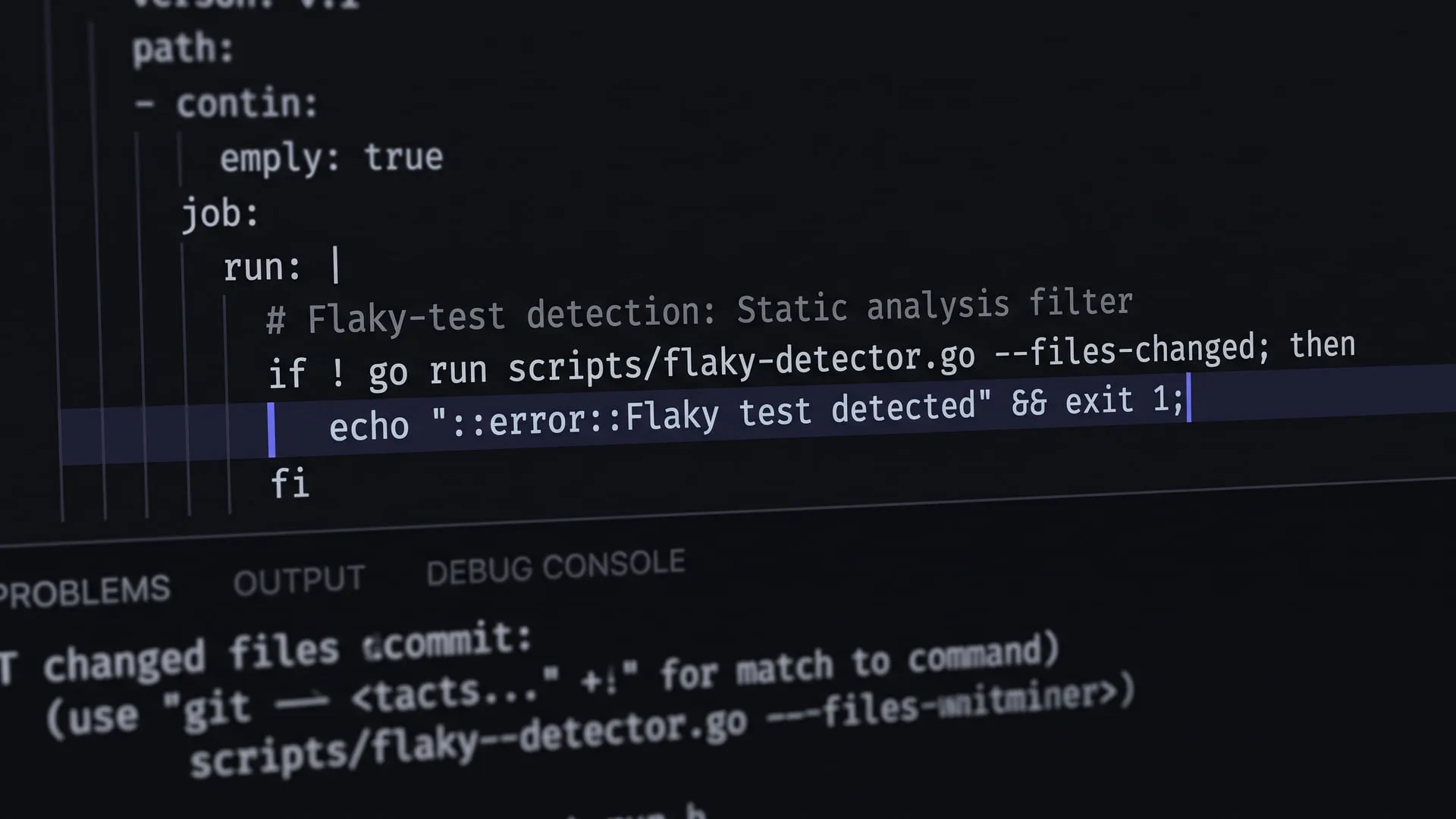
I added a deterministic flaky-test filter to CommitBrief: it catches hard-coded sleeps and unseeded randomness at commit time, with no model.
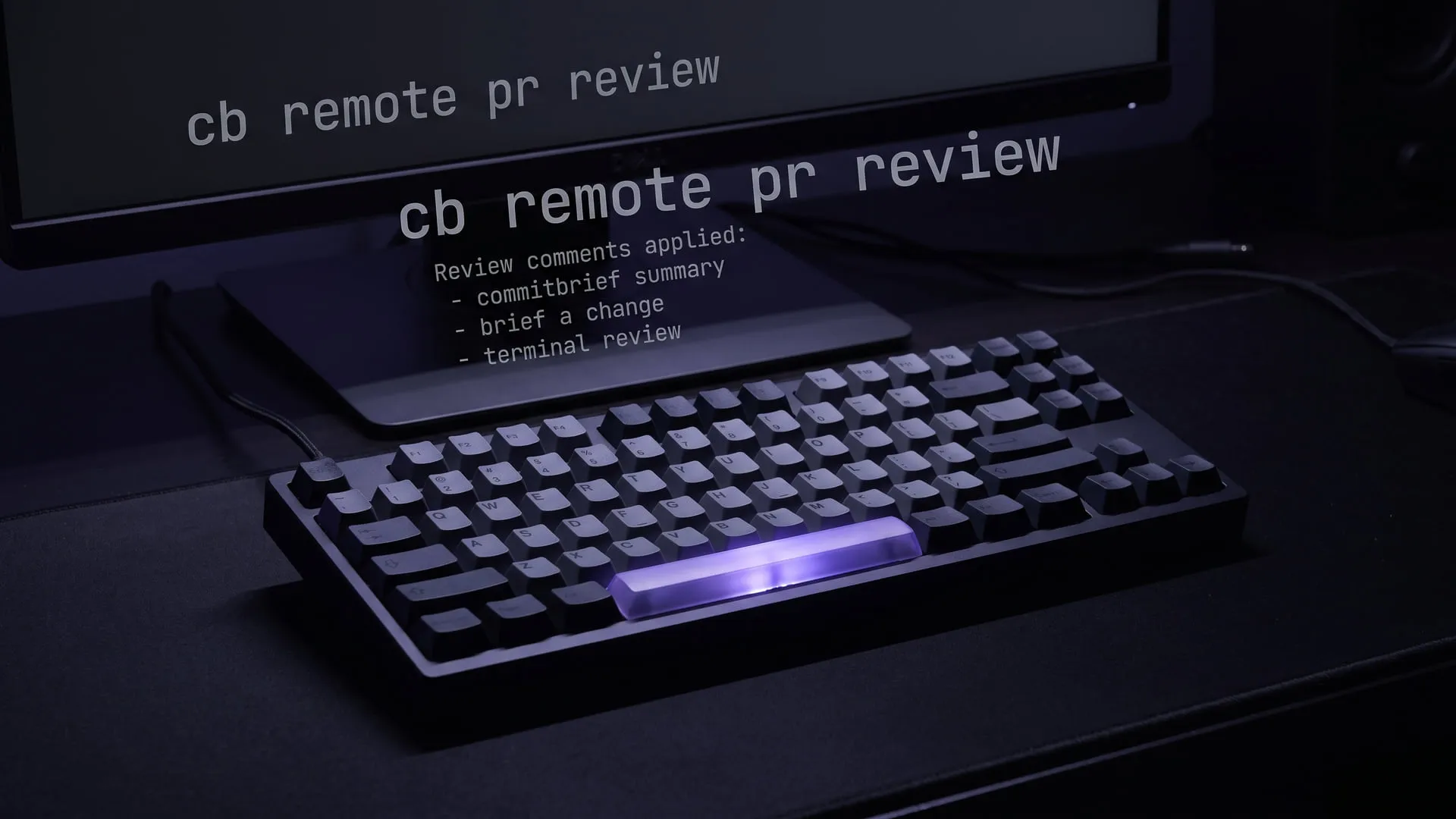
Two new commands: summary briefs a change and its history, and remote pr reviews a PR from the terminal, leaving comments before the human does.
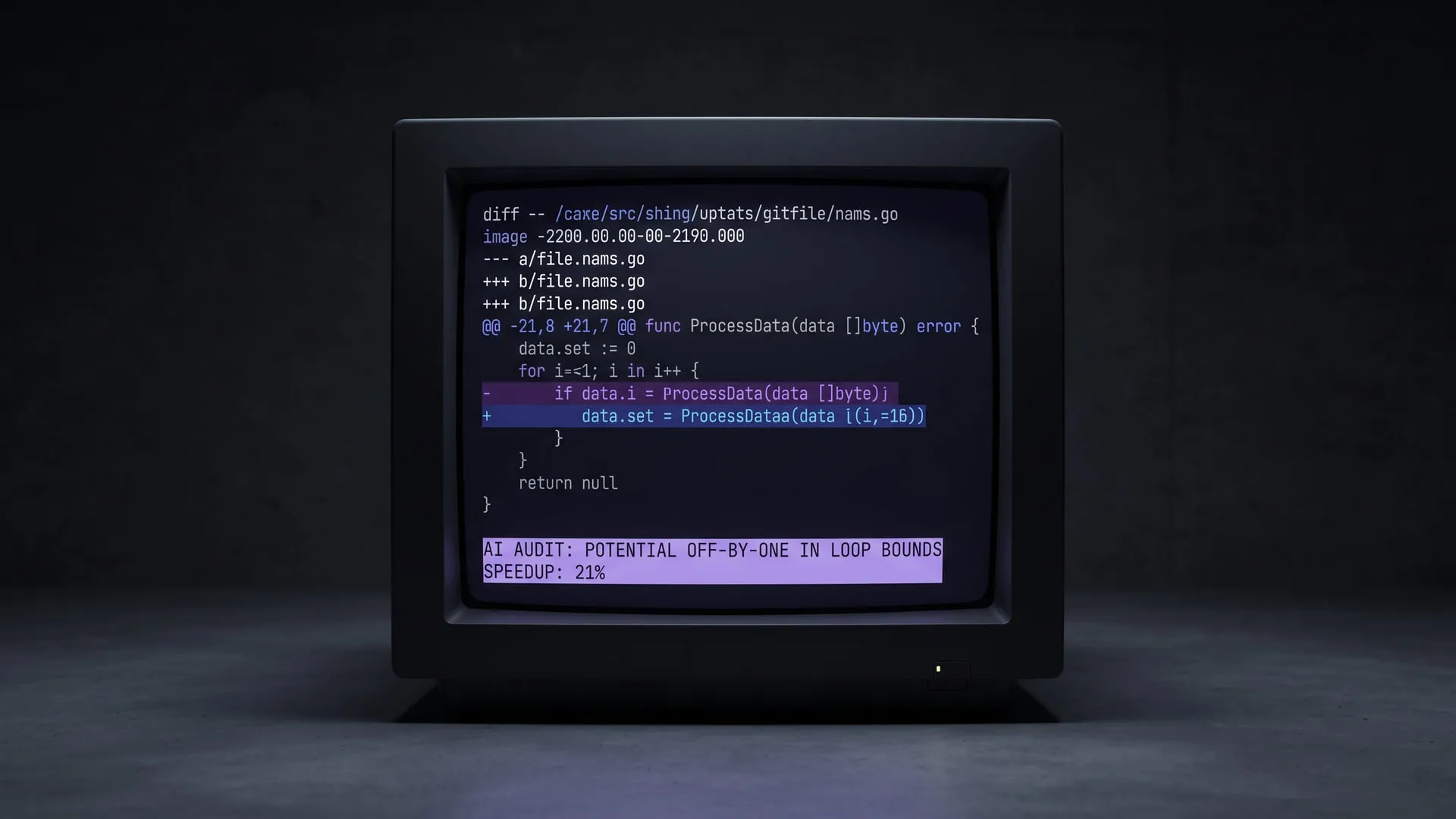
Not the 'why' but the 'how much': which workflow layers the tool plugs into, the bug patterns it keeps catching, and where it hits its limits.
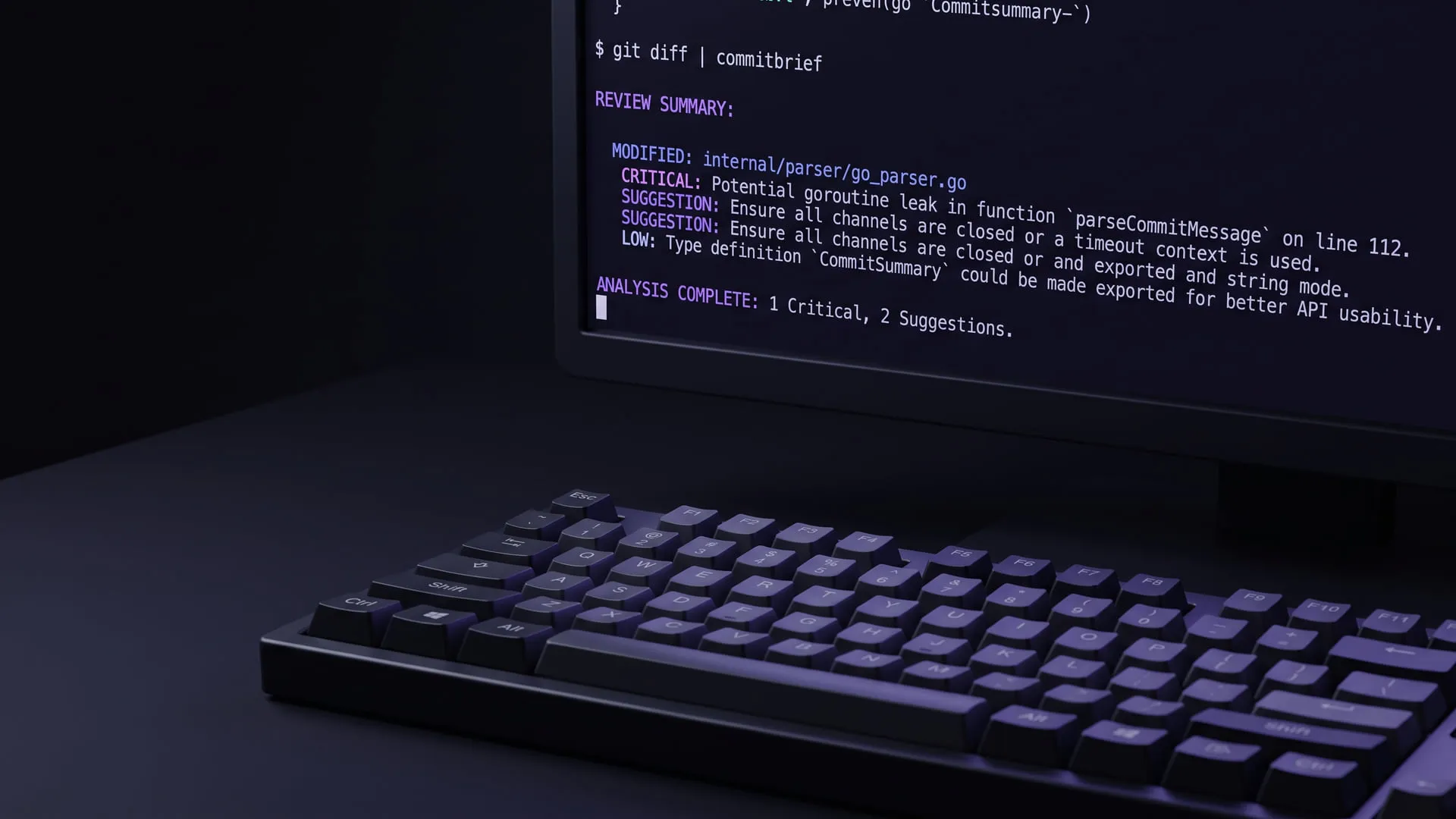
One afternoon I hit the limits of self-review, so I wrote a tool that audits my own diff without leaving the terminal: CommitBrief.

From workflow selection to bug hunting with bisect, rebase discipline, worktrees, and signed commits — things I noticed after years of using Git.
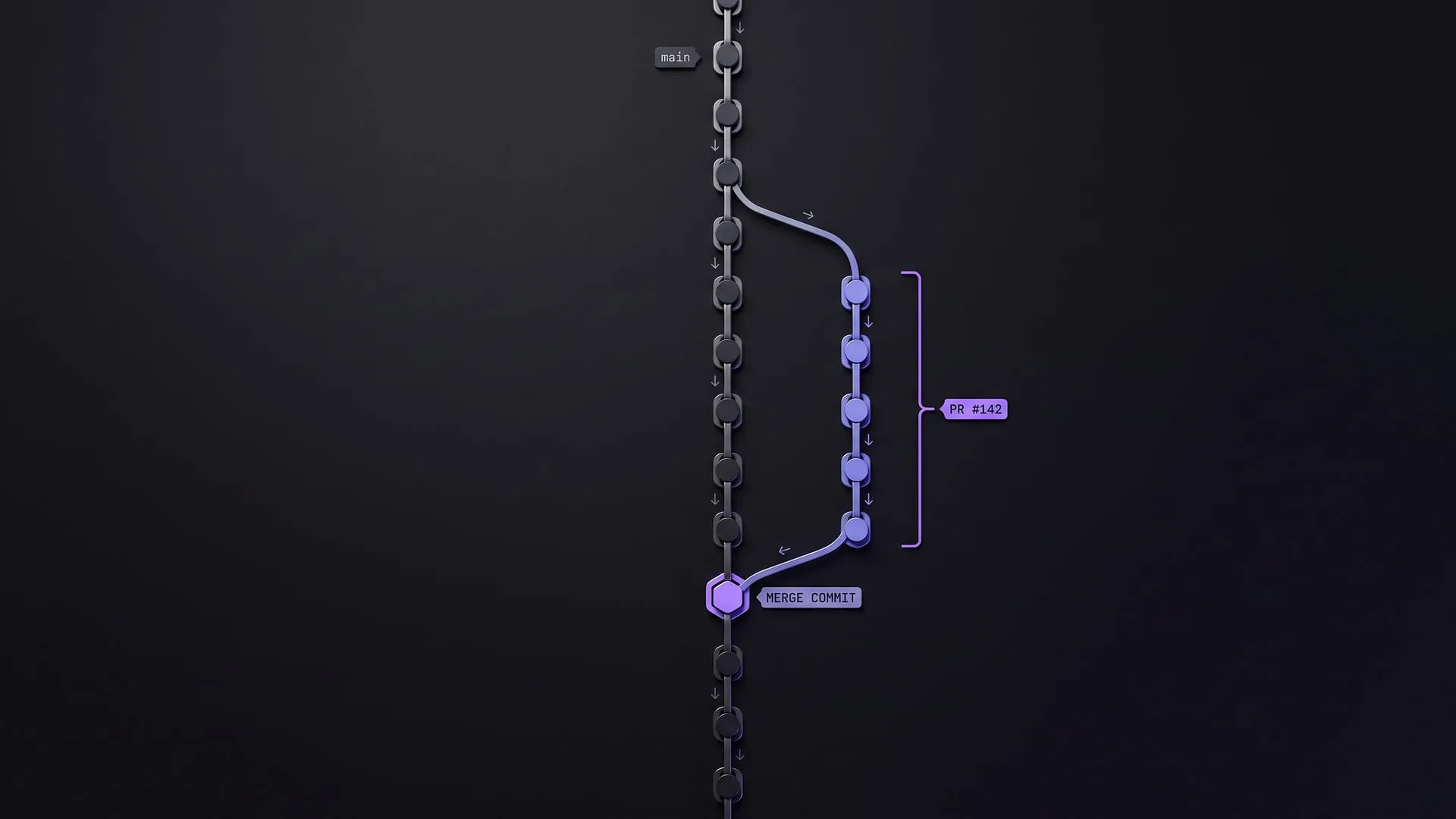
Branching habits, commit messages, merge strategies and pull request review: building a Git history that still answers "why did I change this line?"
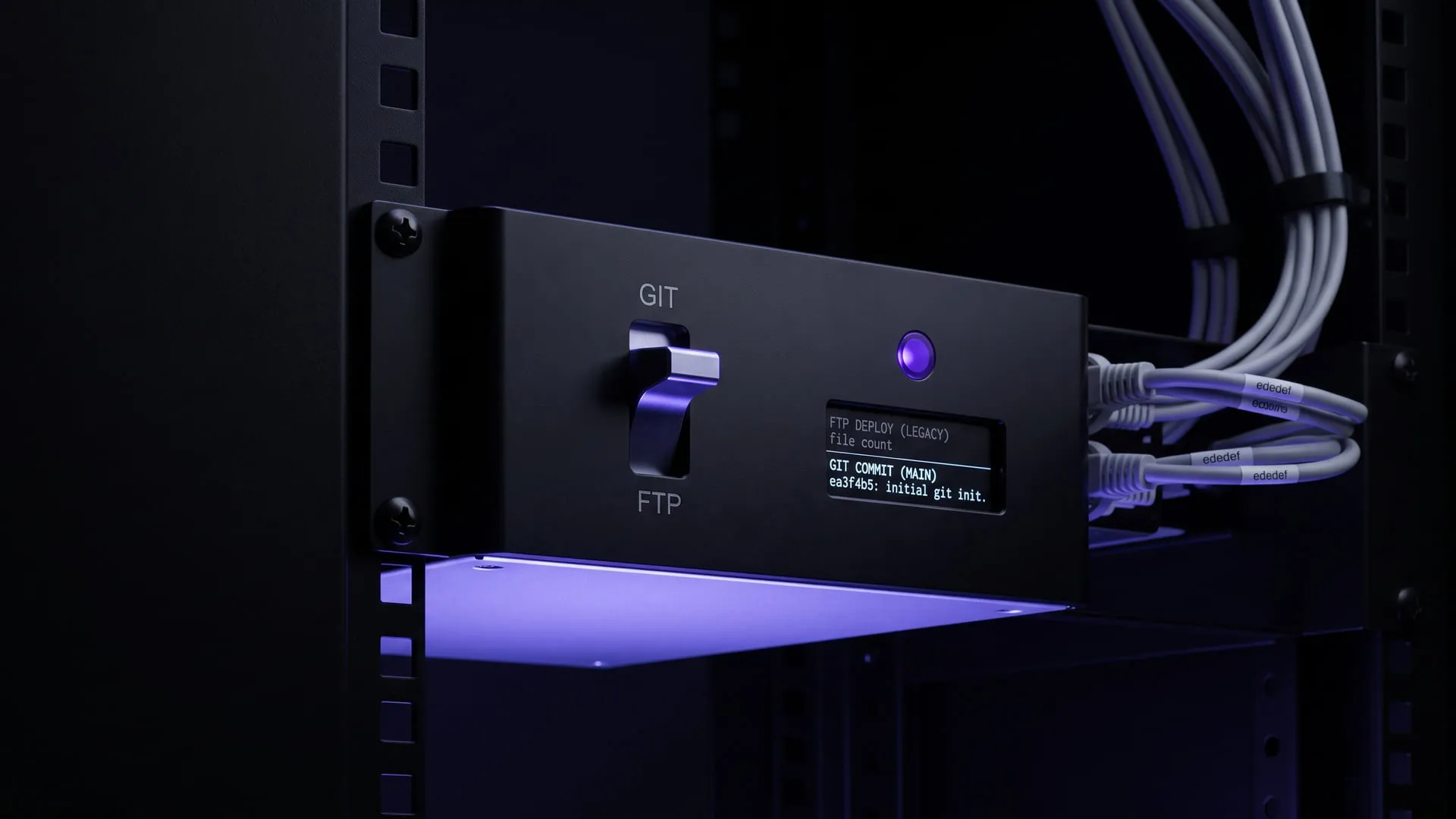
The confidence that comes with version control: how switching from FTP to Git changed my development habits, and the basics of commits and branches.