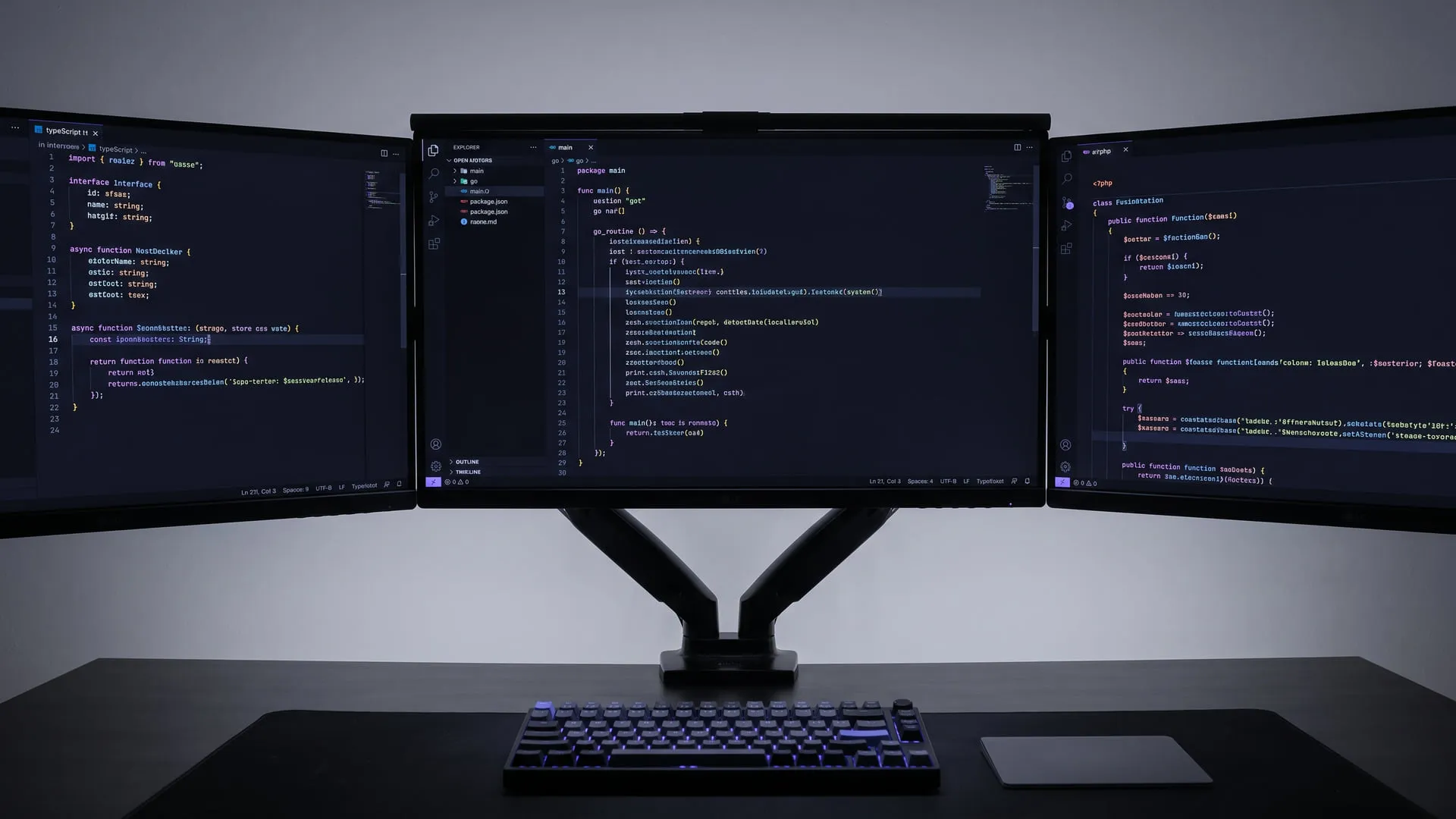
Maintaining a polyglot codebase: the cost of context switching
The hidden cognitive overhead of working in PHP, Go and TypeScript at the same time, where the invisible cost builds up, and how I keep it manageable.
Tag
Building applications and tools in Go: concurrency, error handling and the standard library, covered in posts with practical examples. (Page 2/2)
There are 22 posts with this tag.
The hidden cognitive overhead of working in PHP, Go and TypeScript at the same time, where the invisible cost builds up, and how I keep it manageable.
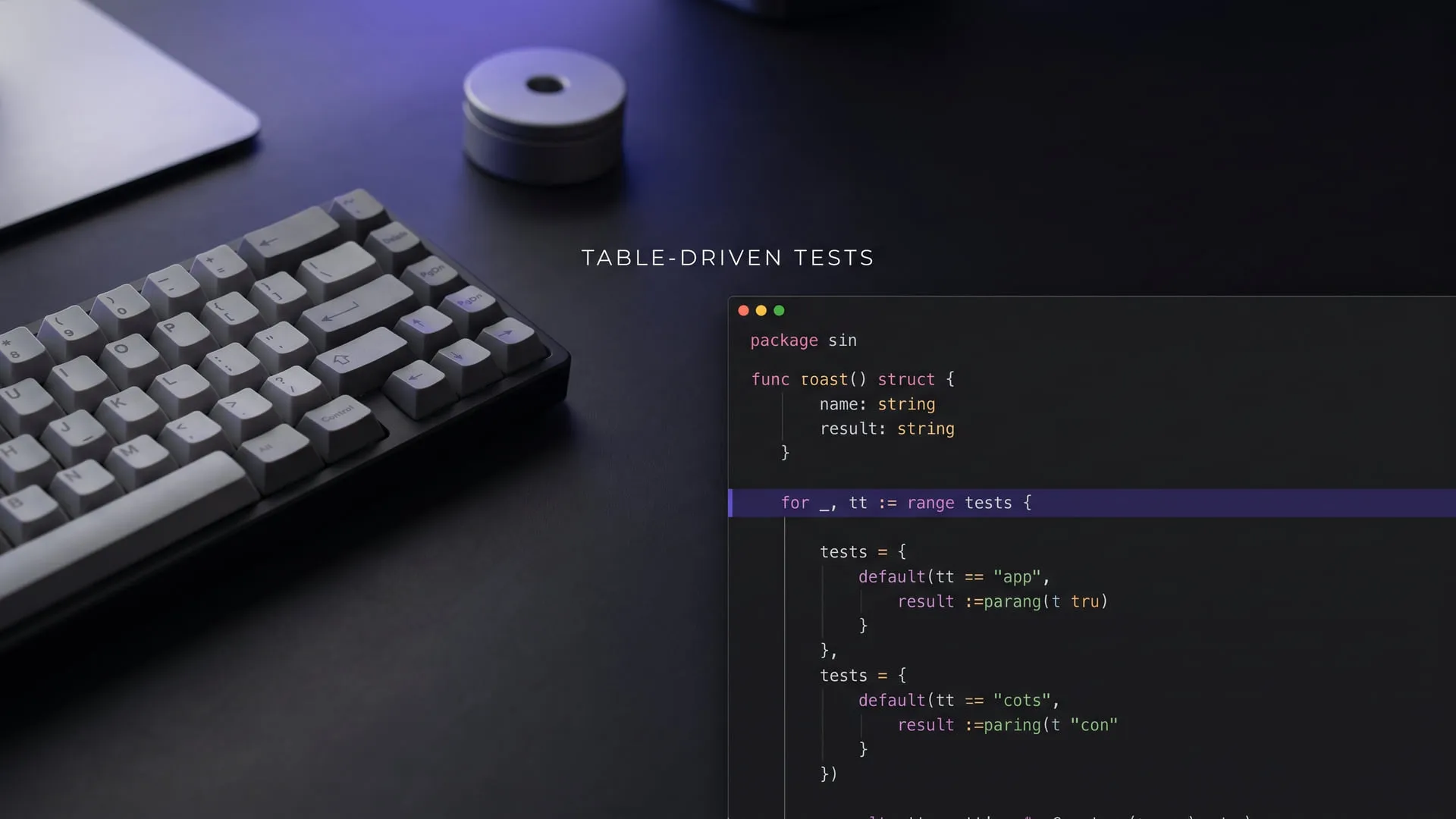
A hands-on introduction to Go's standard testing package and the table-driven test pattern, embracing the language's minimal testing philosophy.
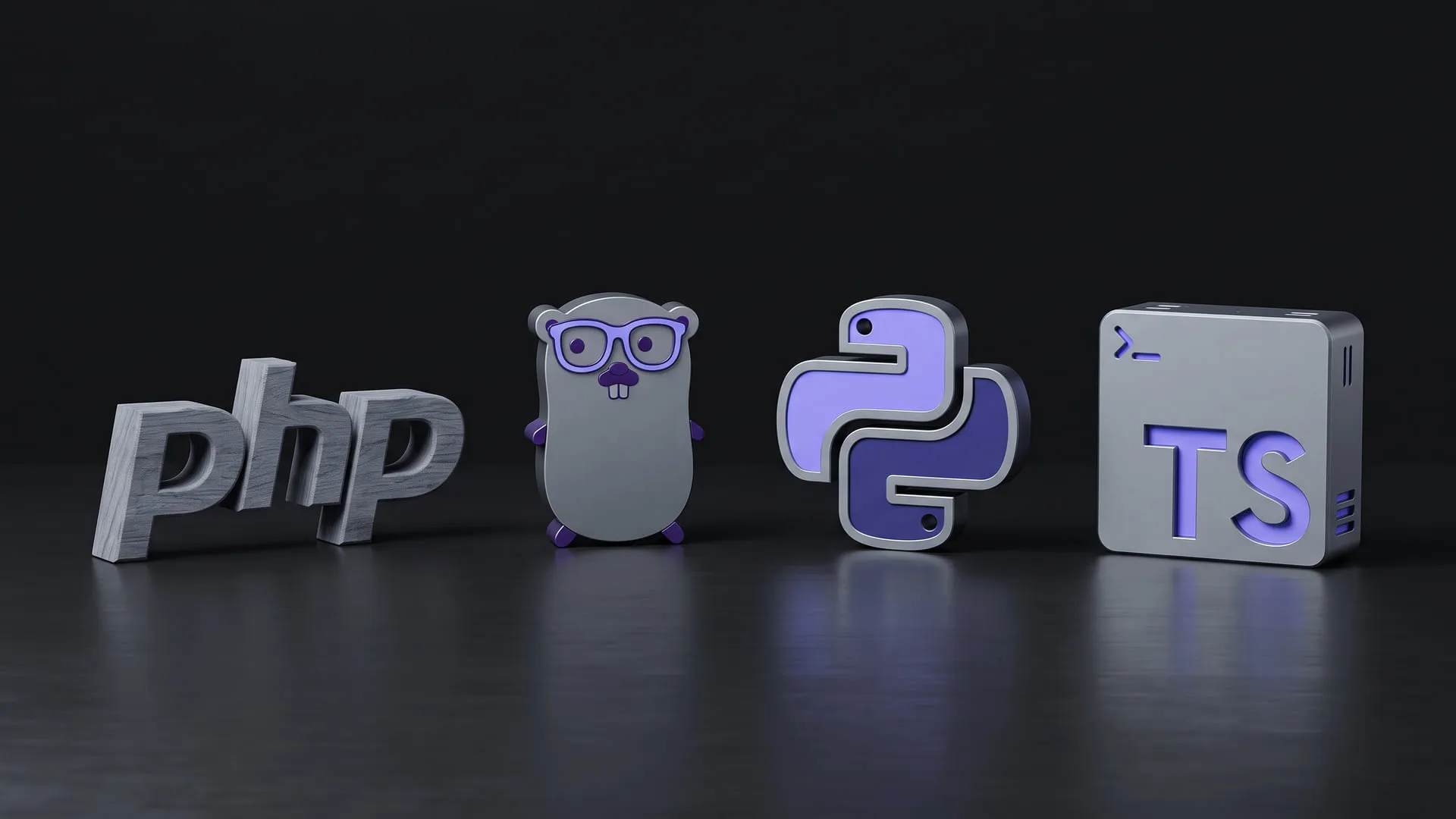
A reflection on how moving between PHP, Go, Python, and TypeScript within a single year shaped the way I think about software.

Go 1.18's generic support shows how a language can be reshaped thoughtfully: why Go waited, the type parameter syntax, first impressions and trade-offs.

Personal notes on why mastering several programming languages is a matter of tool selection, not identity, and what context switching really costs.

A practical approach to error handling as a Go language idiom: the error value, wrapping, custom error types and a PHP developer's adjustment period.
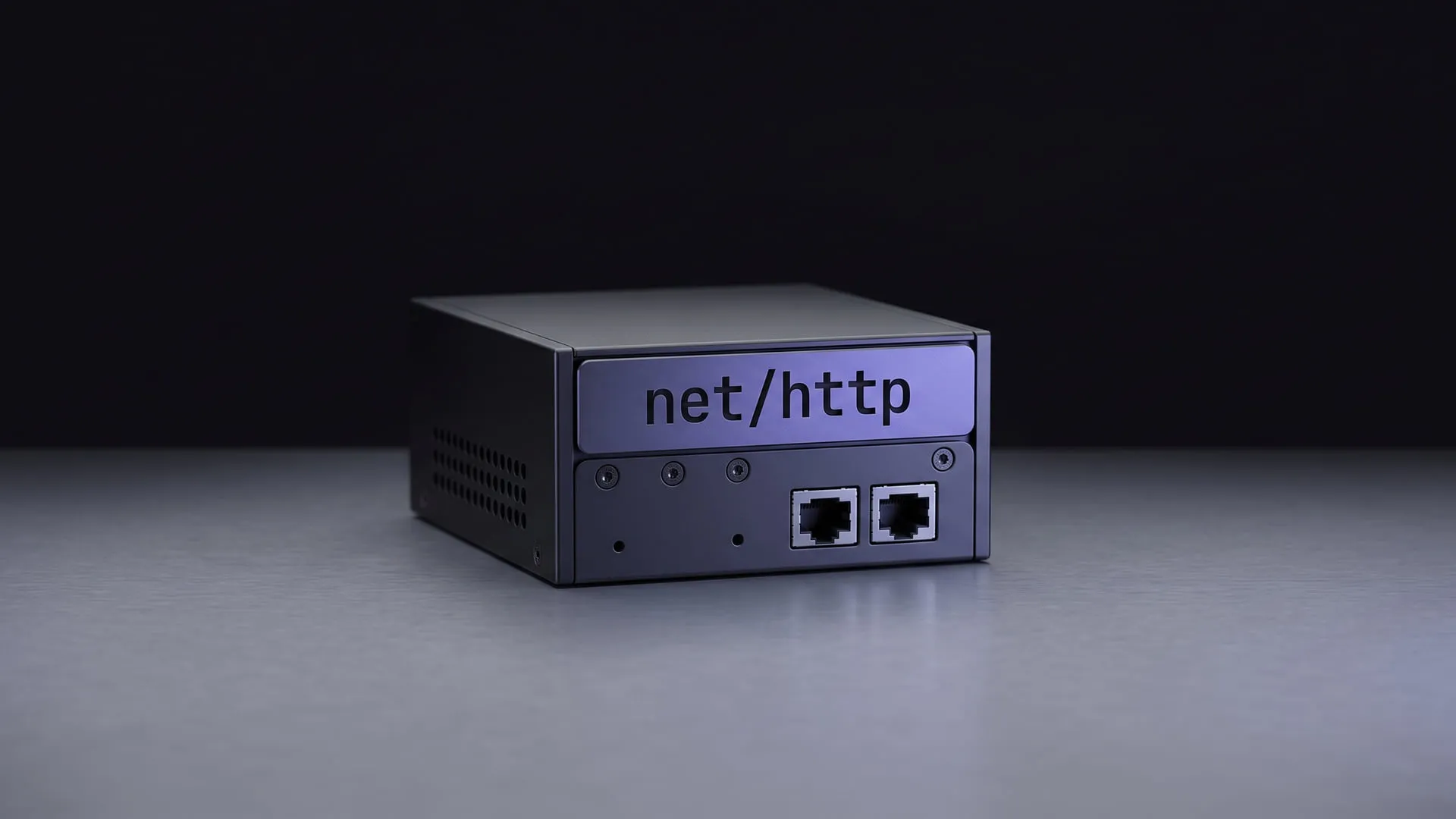
I explore what you get — and what you don't — when building a small HTTP service with Go's net/http package, and where the framework threshold sits.

A hands-on look at Go's concurrency model — goroutines and channels — and what changes when you come from PHP's process model.

I reinforced my newly learned Go by building a real CLI tool: what the language feels like in practice, and how far the standard library takes you.

After more than a decade with PHP, why I picked up a second language and why Go: the comfort of a single language, my reasons and what I am not expecting.