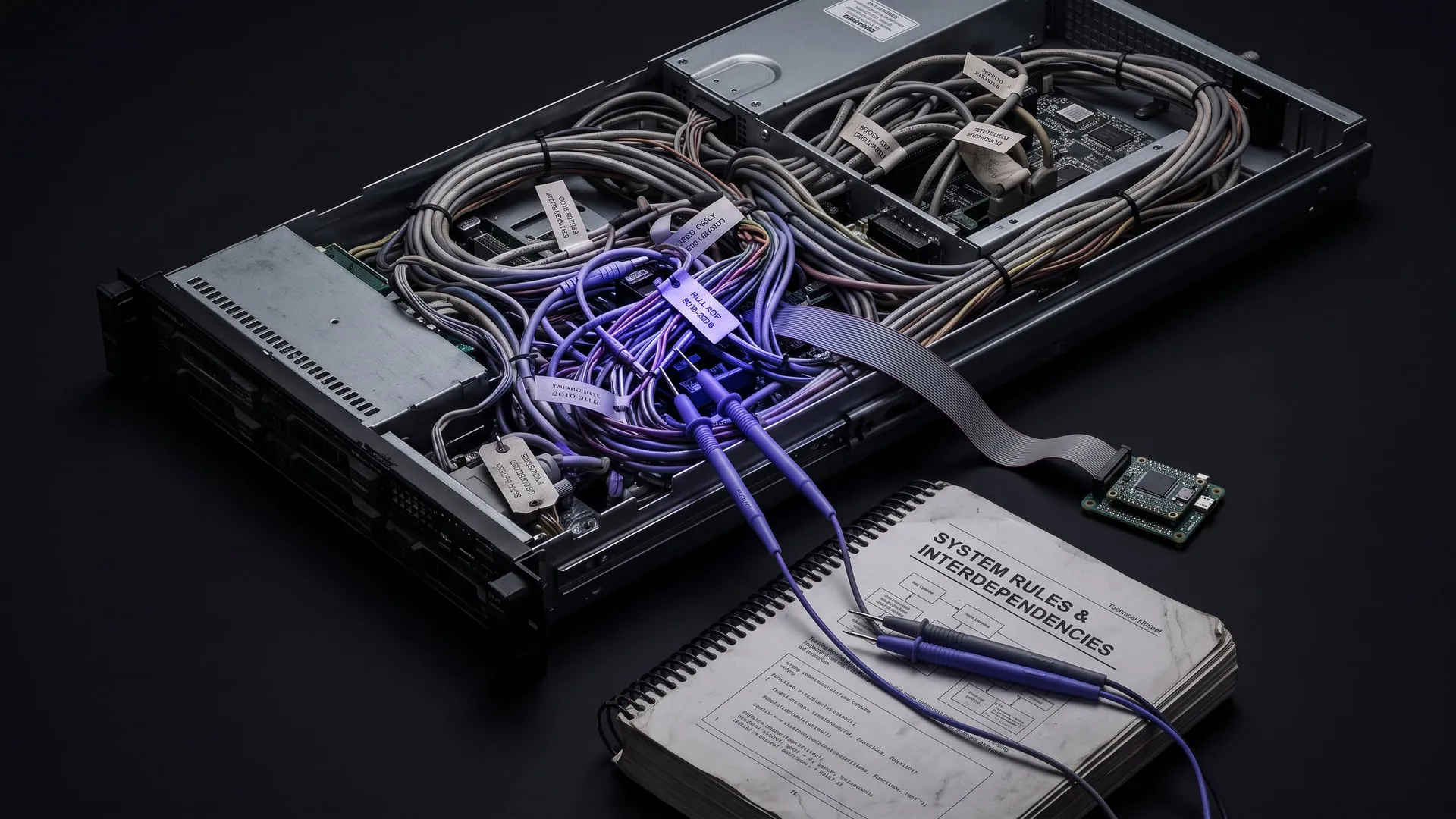
Fast from scratch, slow in a live system: the real cost of brownfield in the age of agents
Work an agent finishes in days takes a week in a system running for years: there the cost isn't producing code, it's finding and proving the rules.
Category
Posts on real project experience, integrations and the career journey: problems I met, solutions I built and lessons I took from them. (Page 2/6)
This category has 61 posts.
Work an agent finishes in days takes a week in a system running for years: there the cost isn't producing code, it's finding and proving the rules.

Knowledge stuck in one person's head and knowledge buried in a wiki nobody reads end up the same way: the reasoning behind a decision is unreachable.
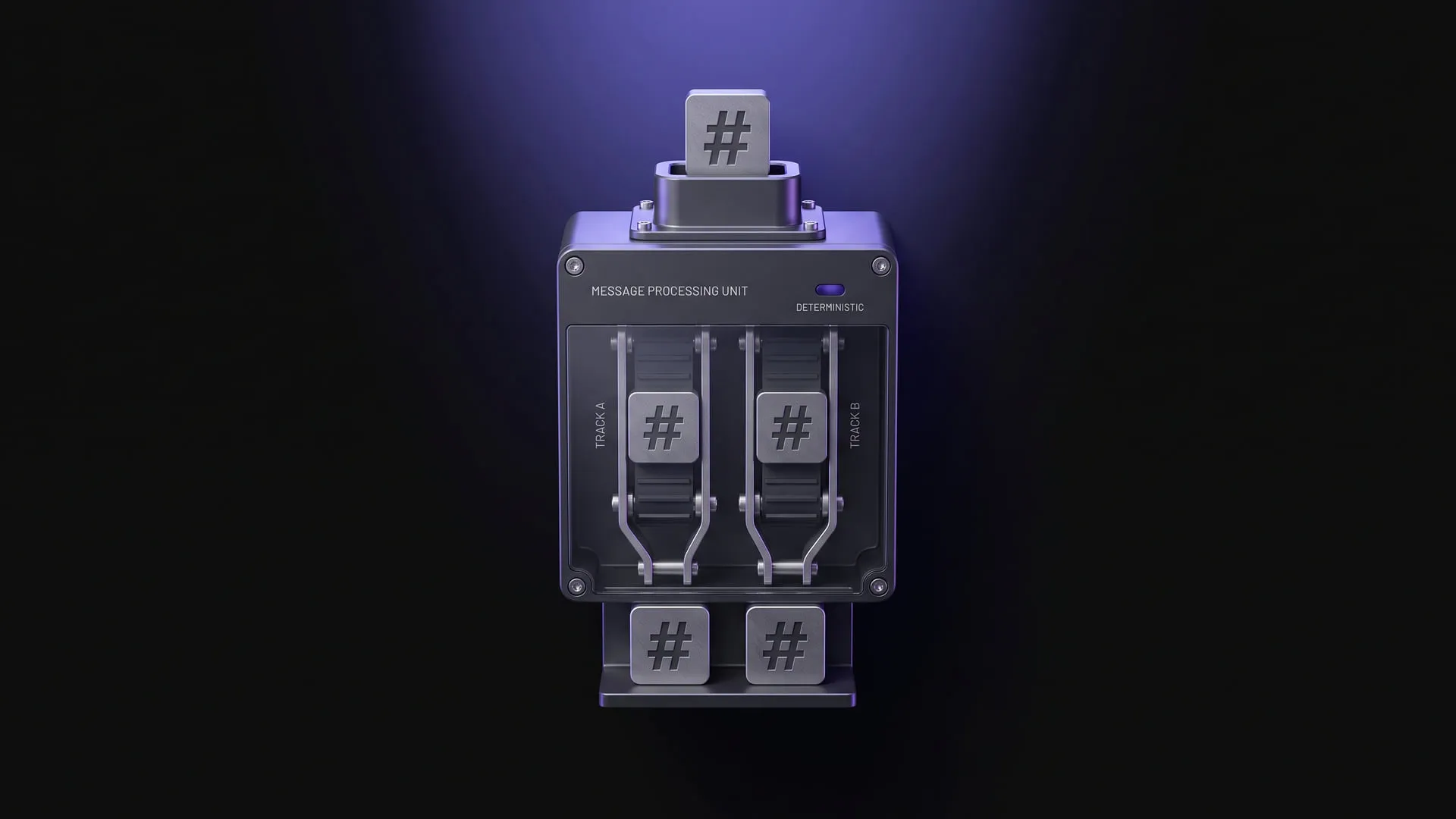
Why does the same message produce different outcomes in an event-driven system? The hidden inputs that break determinism — and four moves to win it back.
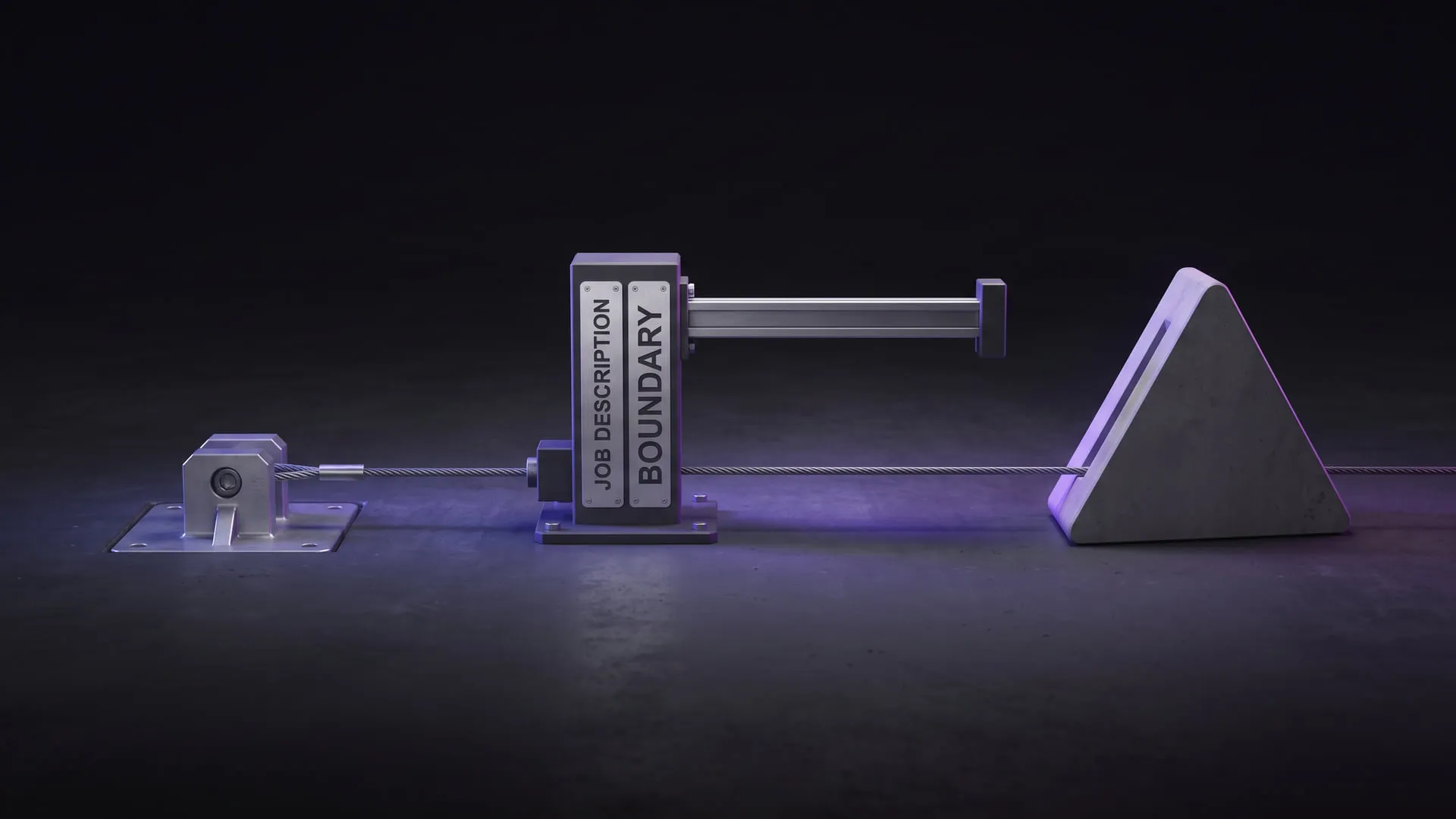
A role gap closed by individual sacrifice becomes invisible — and an invisible fault never gets fixed. Drawing a boundary, from three desks.

Process isn't a virtue — it's a coordination tax you pay. When it should be added, why it never gets removed, and how it looks from three different desks.

Companies don't fail at going fast or going slow — they fail at matching the speed to the decision. A reversibility frame, and three desks to view it from.

What separates company types isn't headcount but where decisions are made and how much reasoning gets written down. Four axes, three desks.
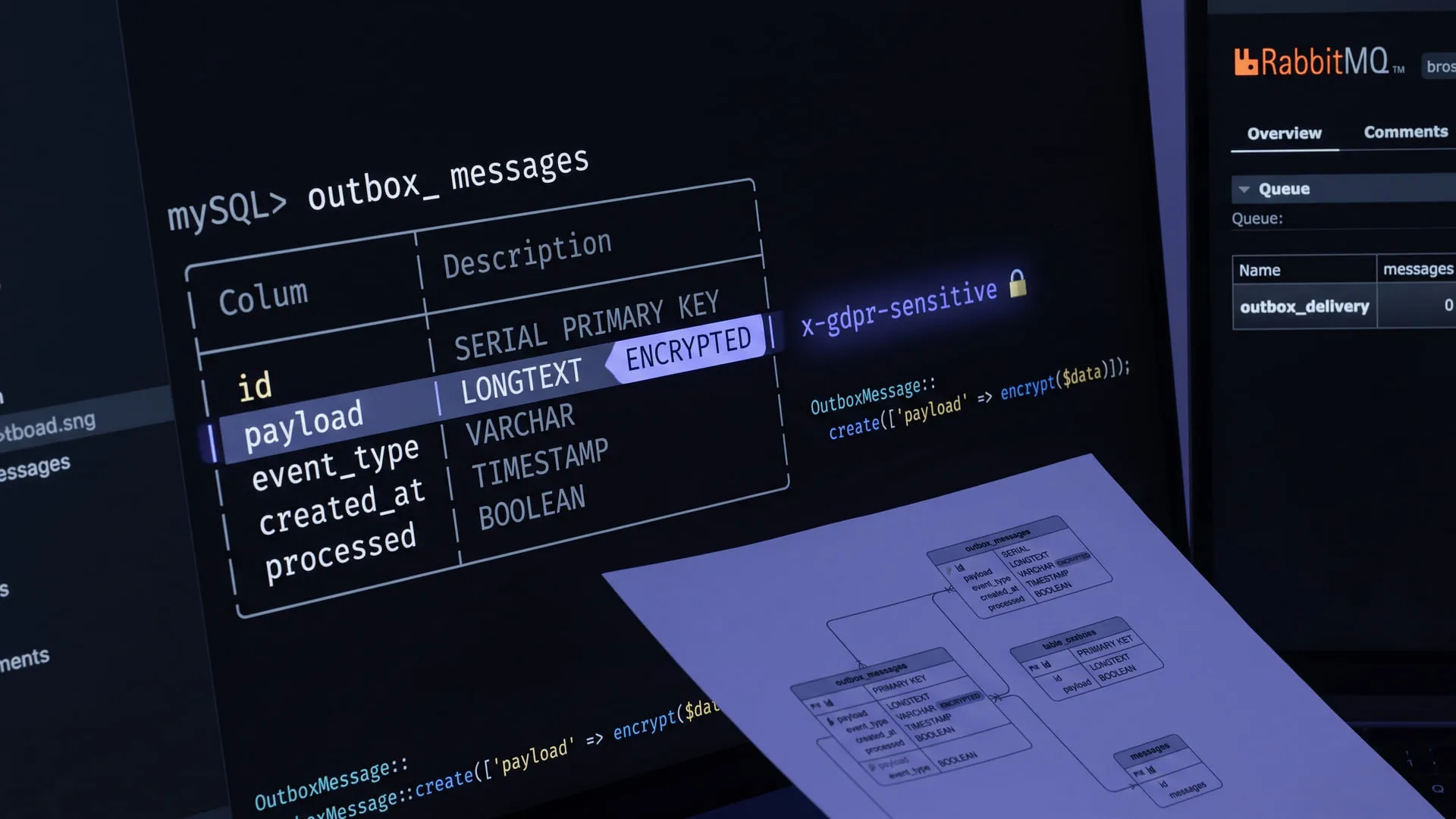
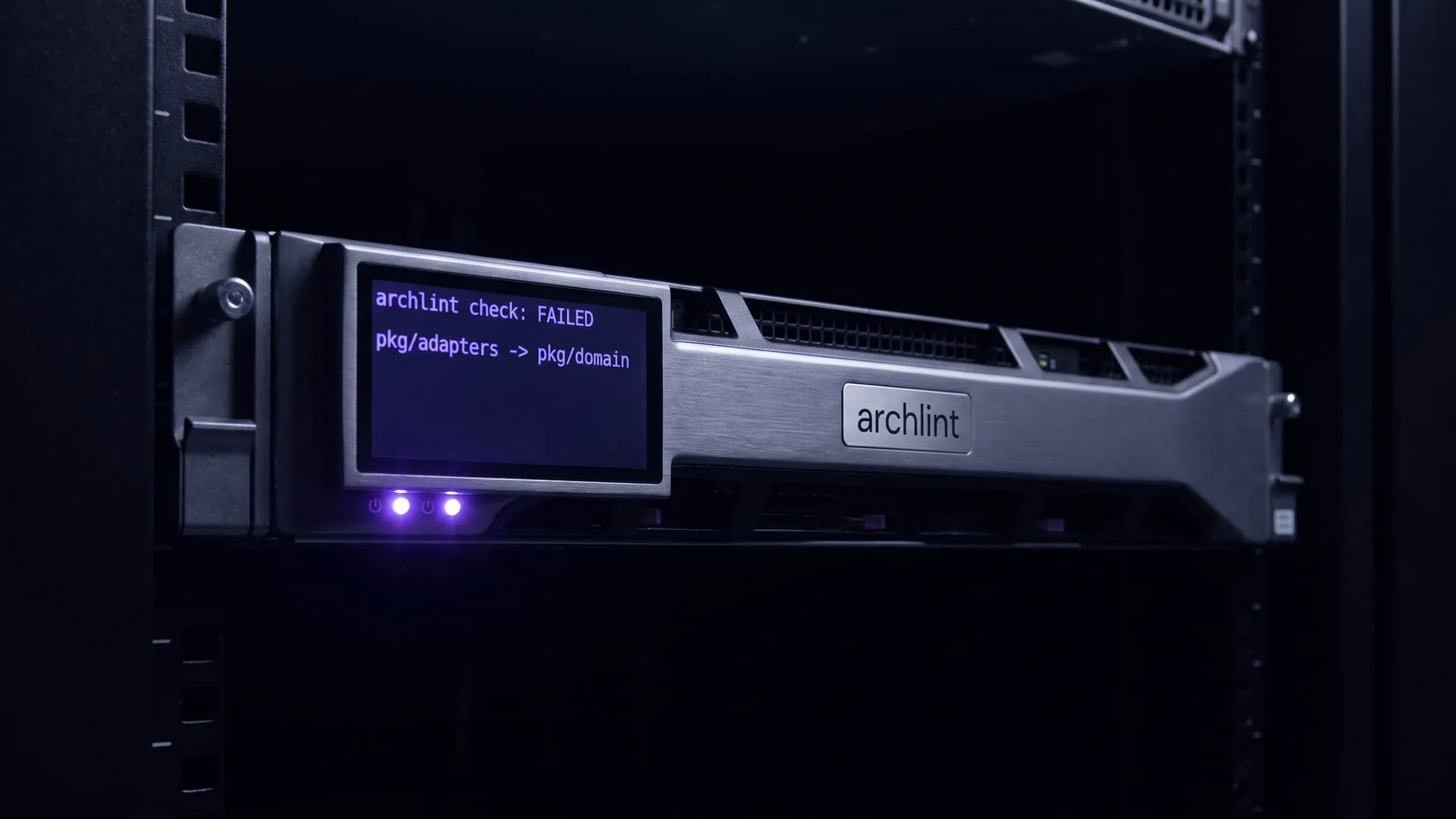
Architecture decisions rot in the code. One architecture.json lets archlint enforce Go, TypeScript and Python boundaries in CI on every commit, no model.
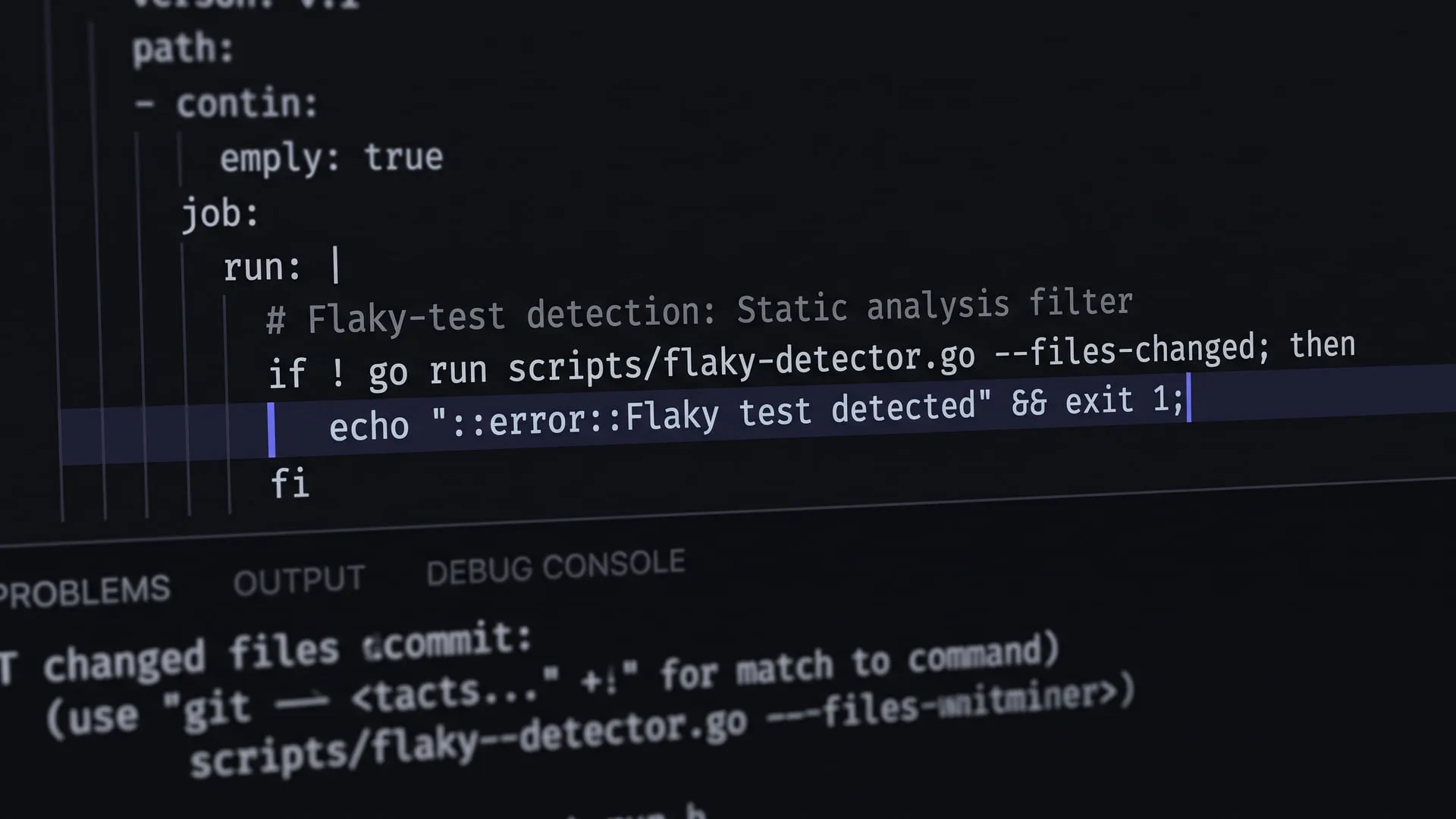
I added a deterministic flaky-test filter to CommitBrief: it catches hard-coded sleeps and unseeded randomness at commit time, with no model.

Two new commands: summary briefs a change and its history, and remote pr reviews a PR from the terminal, leaving comments before the human does.
Vibe coding made shipping easier, but what someone without systems knowledge ships isn't what a senior steering the AI ships. Three levels.