
Understanding MVC for real: stop bloating your controllers
What each layer of MVC is actually responsible for, what a controller should not do, and how to keep controllers thin by moving logic into the model.
Blog
My hands-on development journal: PHP and Laravel, Go, JavaScript and TypeScript, developer tools and career. Architecture writing lives in Engineering. (Page 17/17)
What each layer of MVC is actually responsible for, what a controller should not do, and how to keep controllers thin by moving logic into the model.
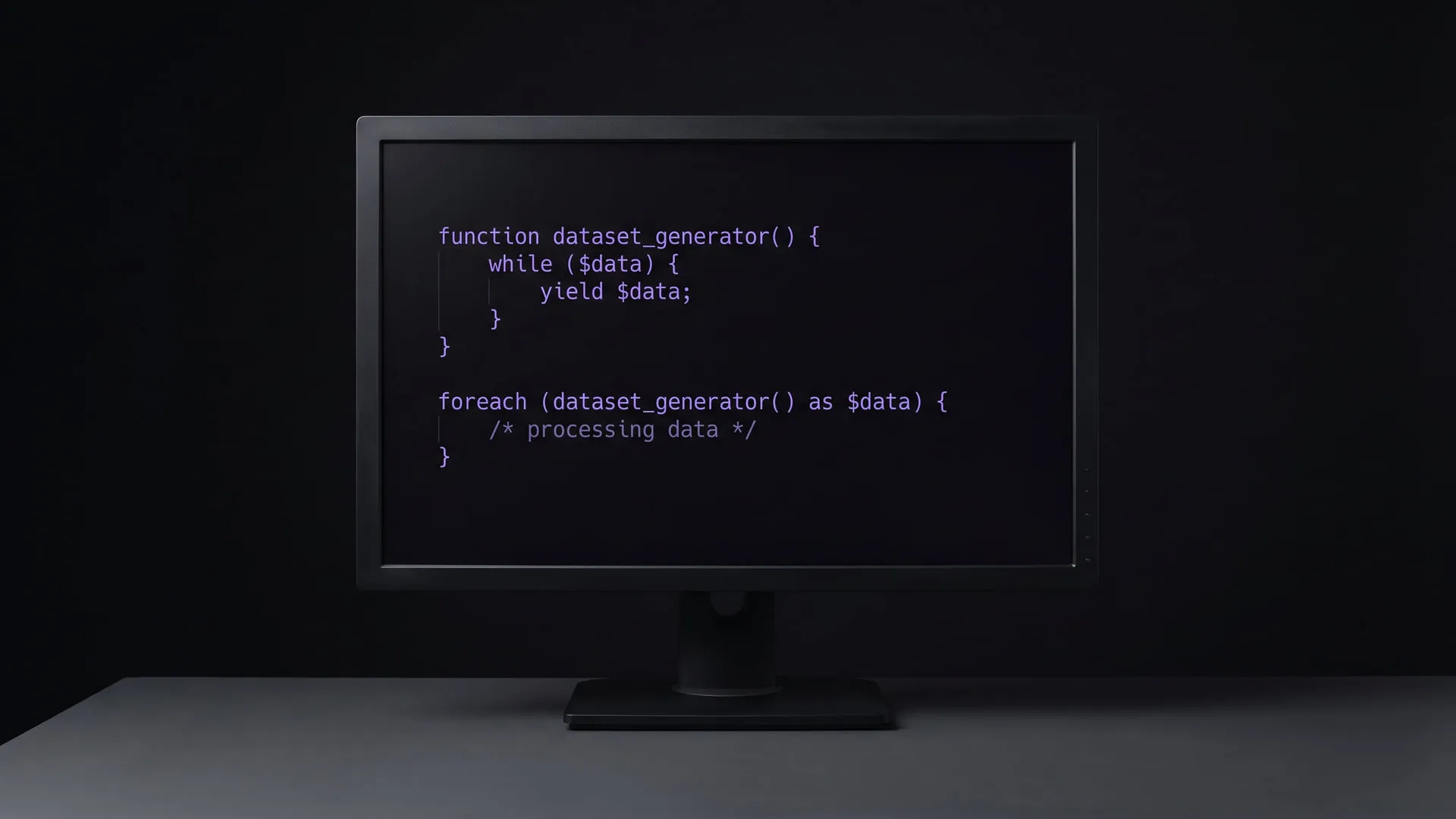
The language-level approach to building large loops without blowing up memory: PHP 5.5 generators and the yield keyword.

A repeatable pattern for handling user input safely: Laravel validation rules, custom error messages, language files and a gotcha with the unique rule.
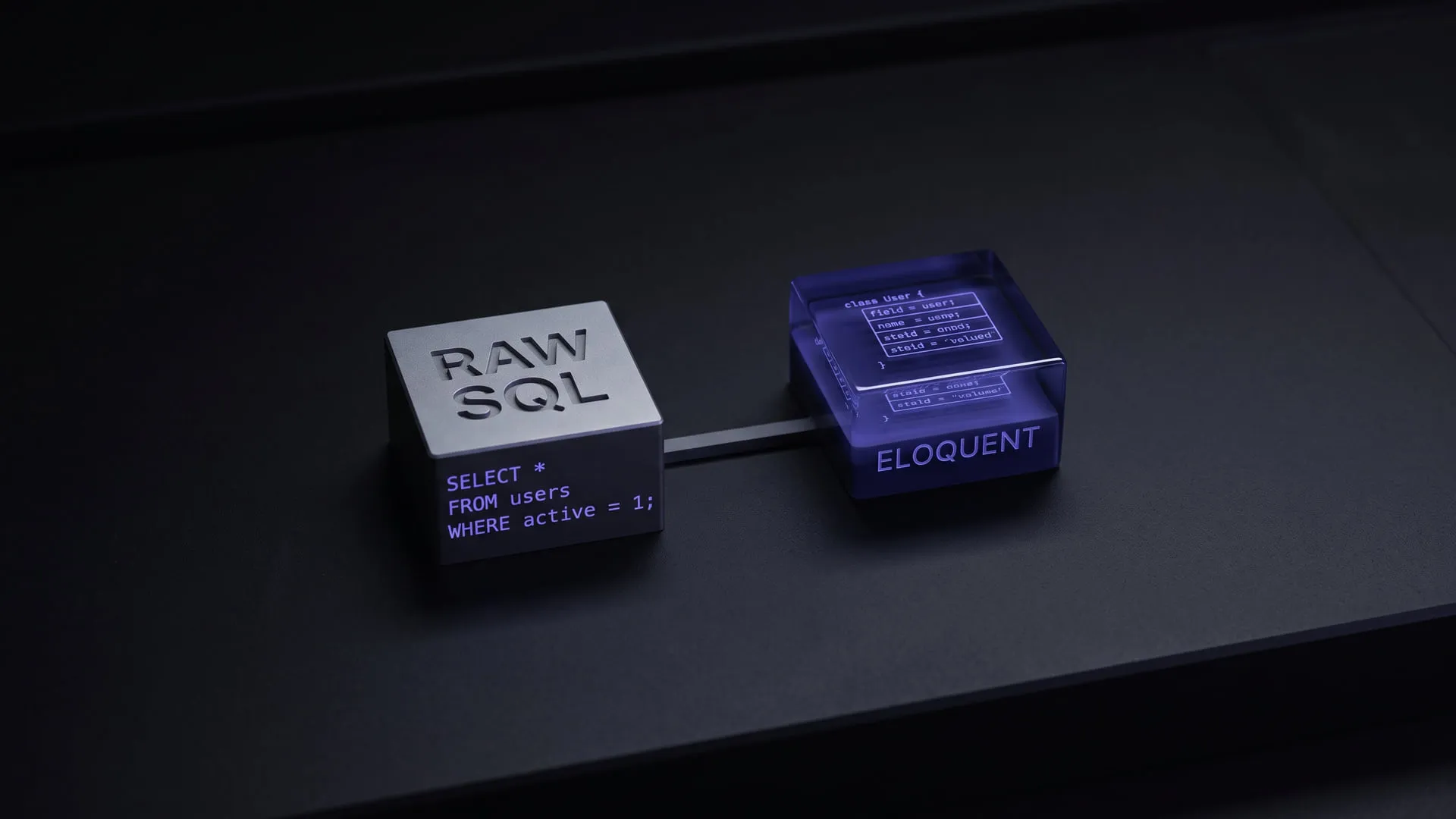
From writing raw SQL to model-based access: a practical look at Laravel's Eloquent ORM and how it fits into day-to-day development.
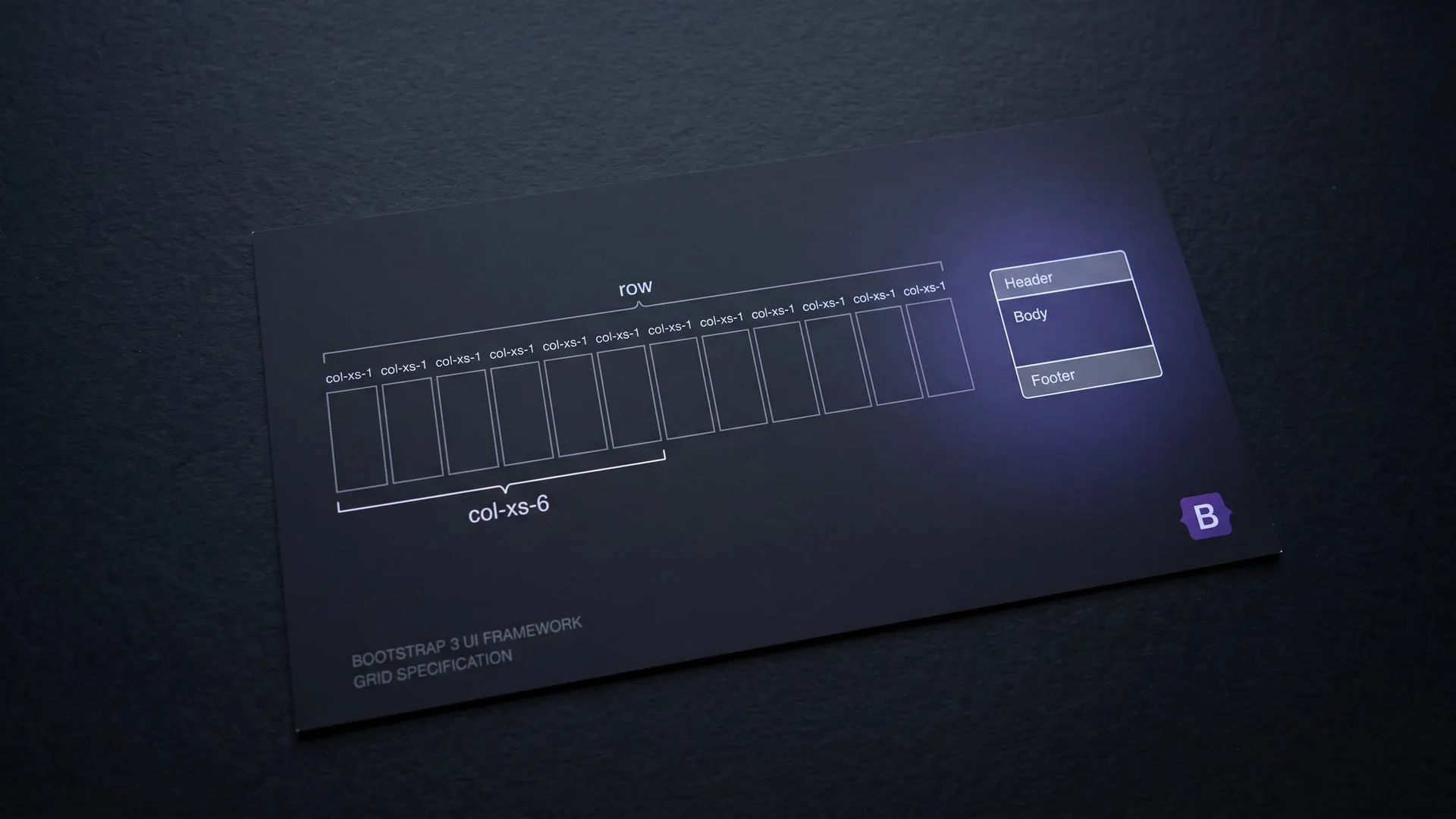
How a back-end developer builds decent-looking interfaces without a designer: Bootstrap 3's grid system, responsive design and ready-made components.

The confidence that comes with version control: how switching from FTP to Git changed my development habits, and the basics of commits and branches.

The practical payoff of separating the view layer from logic: Laravel's Blade layouts, sections and partials in place of repeating HTML on every page.
The structure that comes from moving beyond raw PHP to a framework: first impressions, installation, and the basics of Laravel 4.
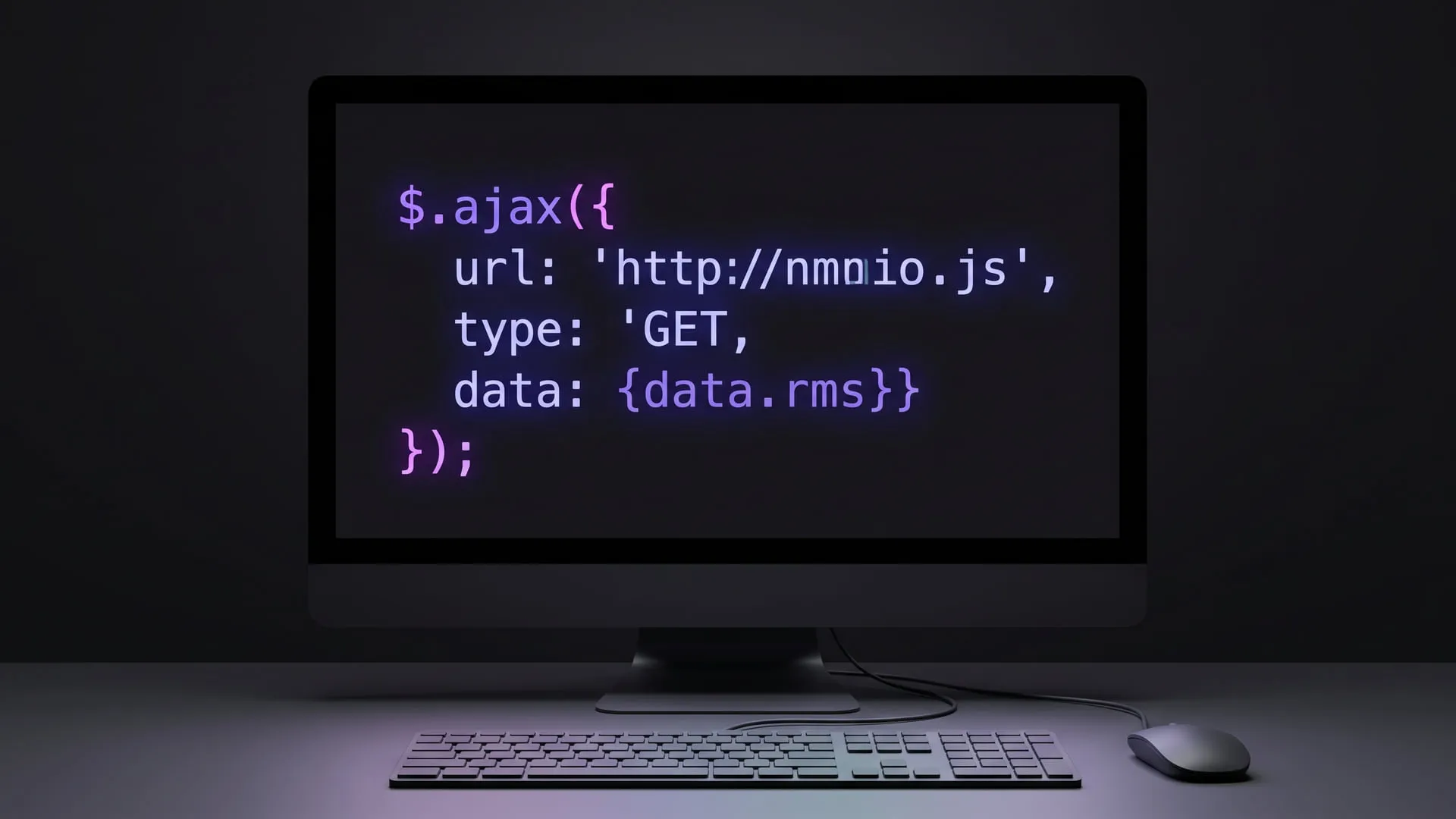
The 2014 standard for decoupling form submissions from full page reloads: practical use of jQuery's $.ajax method, a loading indicator and CSRF protection.
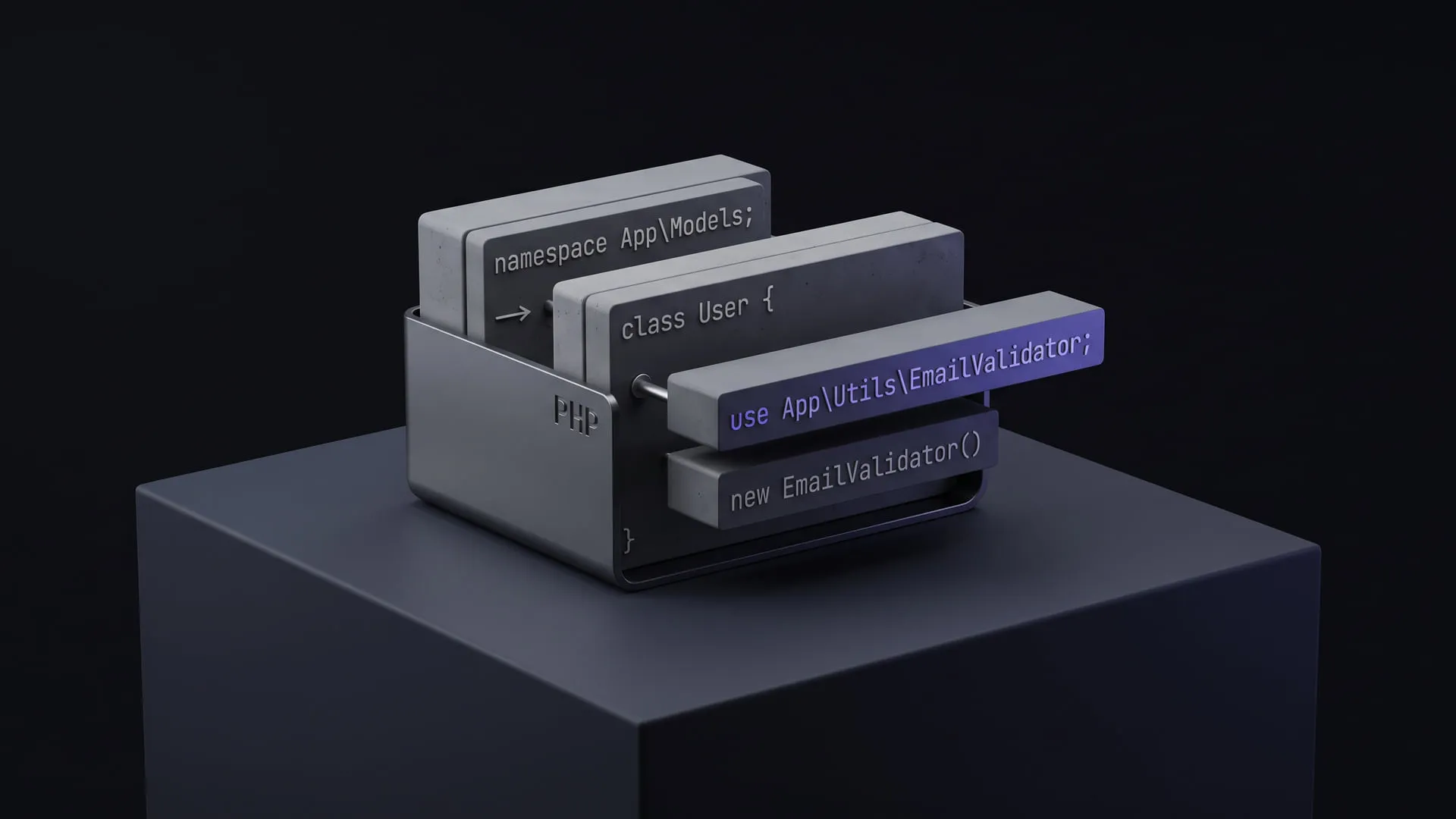
Code organization that eliminates name collisions and fits the modern library ecosystem: PHP namespace usage and the use statement.
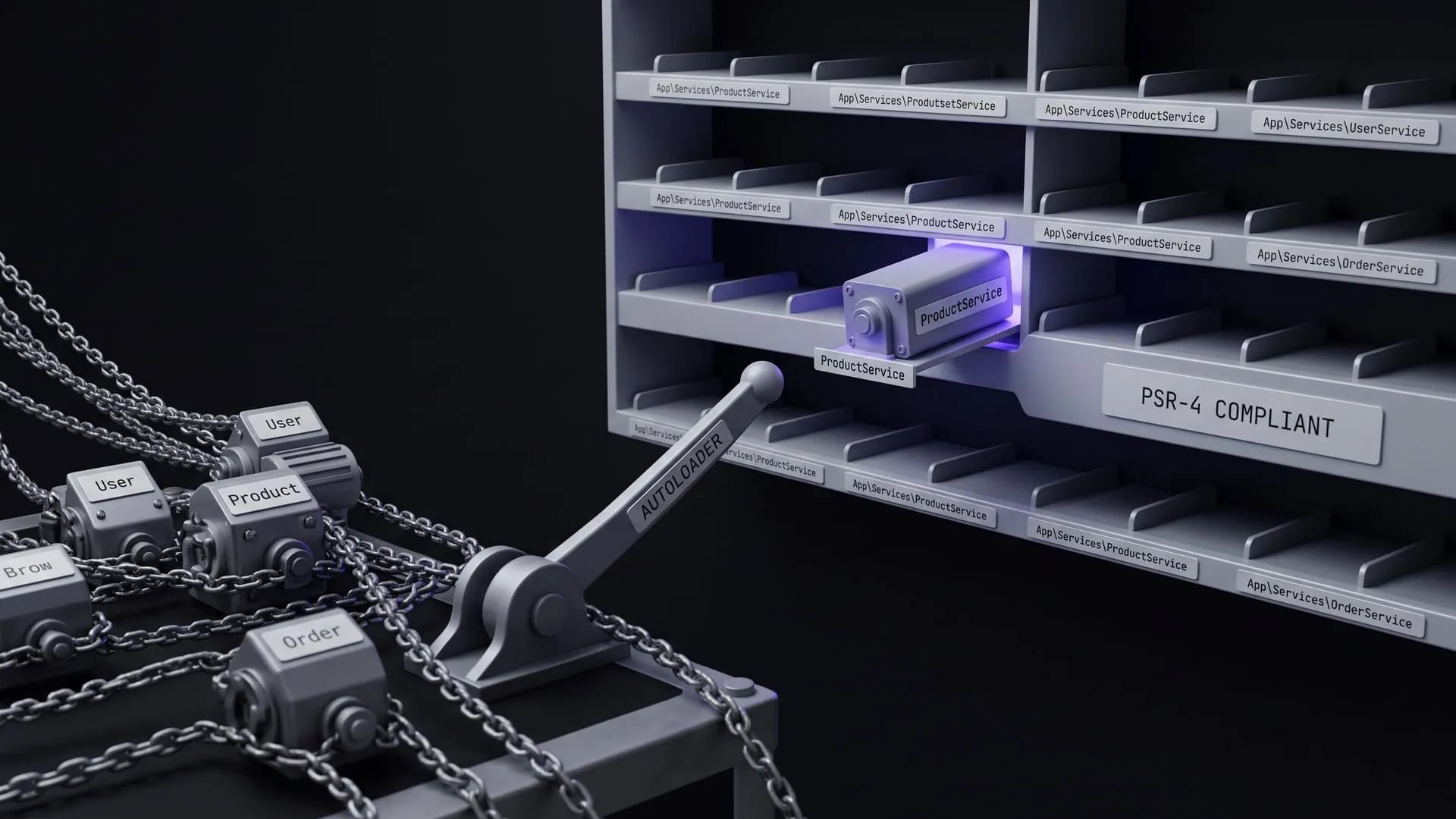
Moving away from manual class includes to standard autoloading: the difference between PSR-0 and PSR-4, and Composer integration.

The practical side of moving from a pile of manual requires to modern dependency management: composer.json, autoloading, and installing packages.