
Why I Start Projects With a Modular Monolith
The case for drawing clean module boundaries inside a single deployable app before jumping to microservices — and when I stop doing it.
Engineering
Production lessons, architecture decisions, database, server and application patterns, and AI-assisted engineering: notes, system write-ups, essays and developer tools that run in your browser. (Page 5/5)
The case for drawing clean module boundaries inside a single deployable app before jumping to microservices — and when I stop doing it.
As data load grows, where does boring architecture break? Working set, read replicas, partitioning, write load, a separate data layer — in order.
The pragmatic case for choosing proven tools over chasing new technology. This is not cowardice, it is a budget decision.
The pattern I use to avoid key collisions and accidental deletes when a single Redis instance is shared across several projects
The seven rules I follow to use Claude Code and similar agents on production code with confidence — not a skeptical take, a discipline manifesto
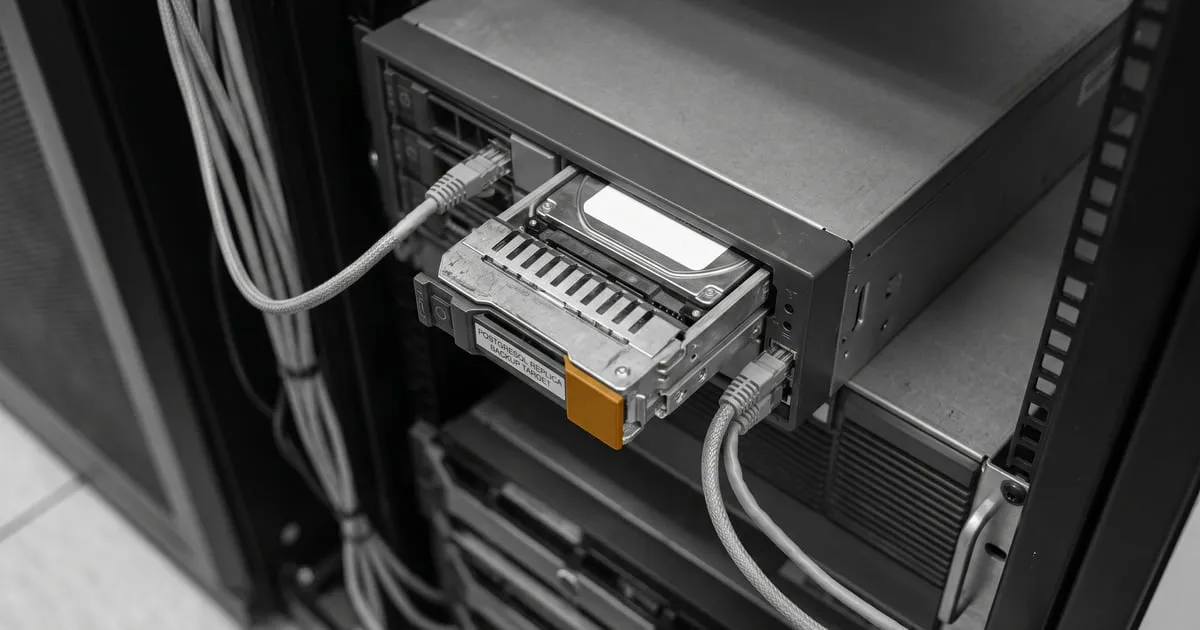
pg_dump alone is not a backup. A PITR-capable, compressed, verifiable backup architecture with pgBackRest, continuous WAL archiving and restore drills.
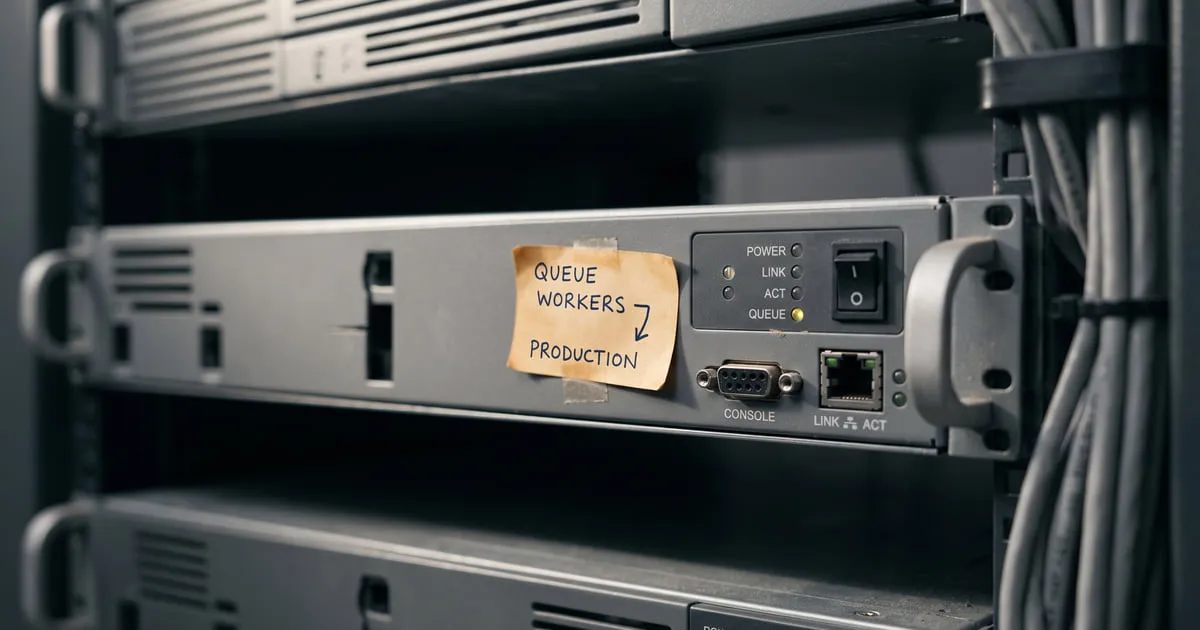
Laravel queue workers are flawless locally and slow in production. The five most common reasons developers overlook.
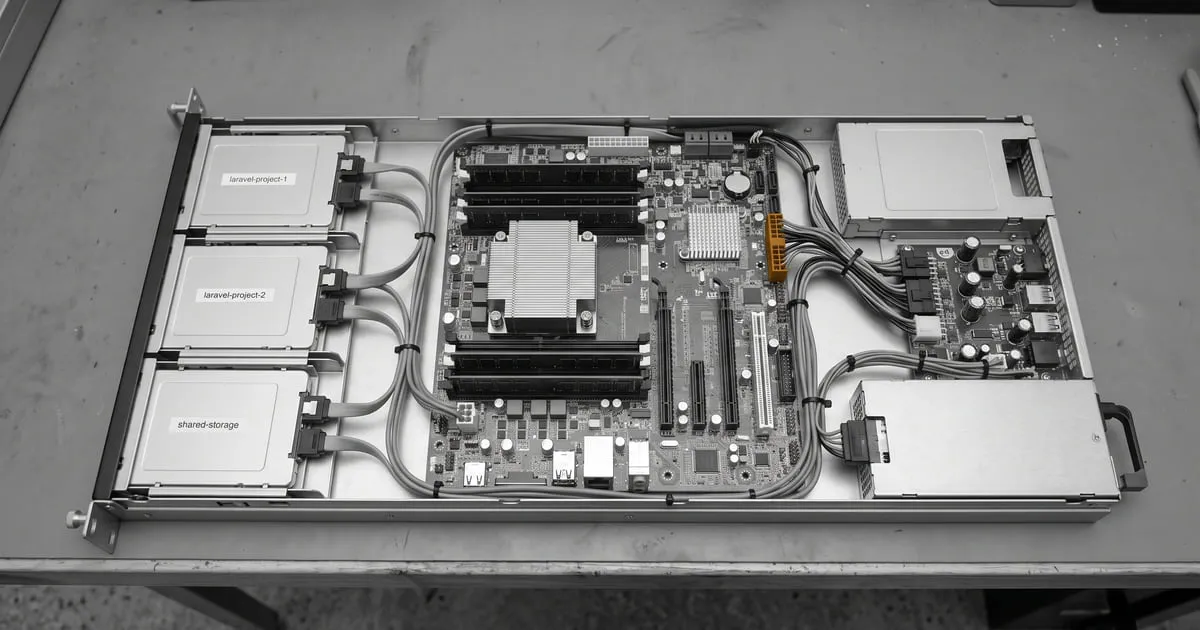
One VPS, several independent apps. Deliberate minimalism over Kubernetes: user isolation, separate PHP-FPM pools, shared PostgreSQL/Redis, a plain deploy.
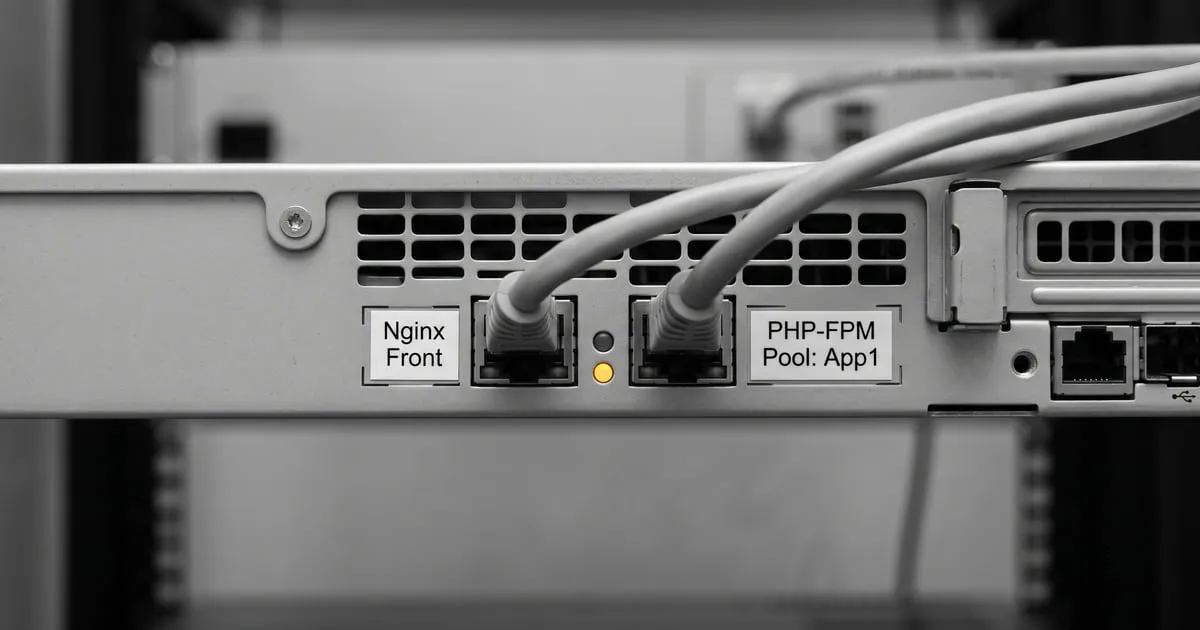
The concrete benefits of defining a separate pool per application instead of a single PHP-FPM pool when running multiple PHP apps on one VPS
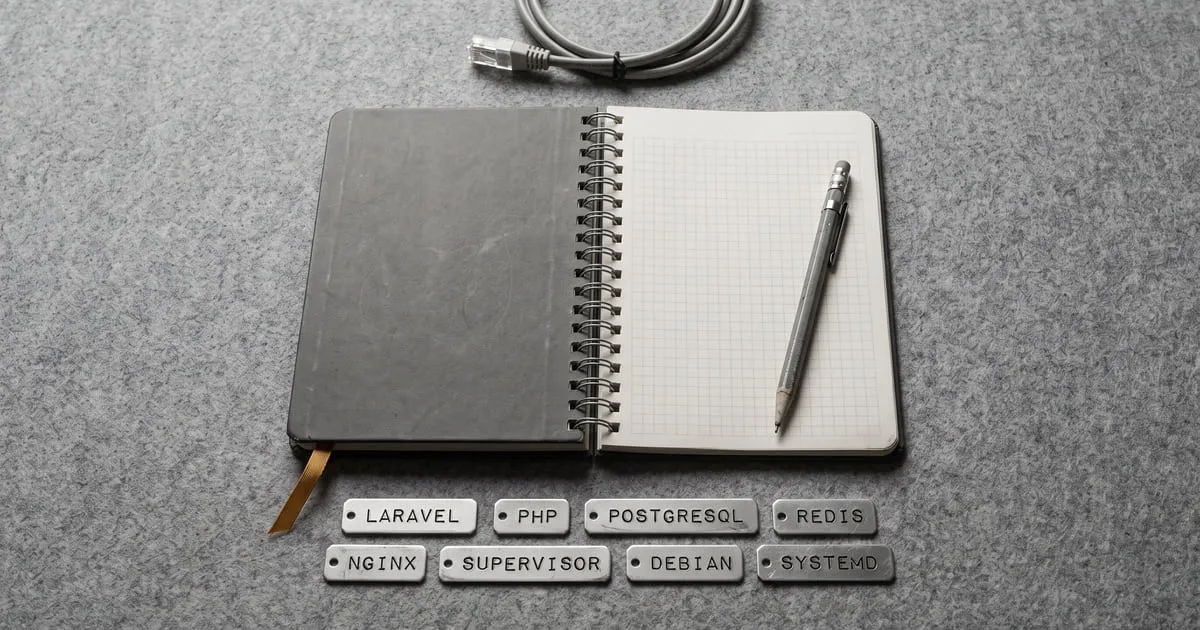
A production-grade Laravel setup with Nginx + PHP-FPM + Redis + PostgreSQL + Supervisor + Horizon. Each piece's job and what you lose if you drop it
A practical setup for dynamic user authentication via `auth_query` instead of `userlist.txt` when running pgBouncer