Upgrade Target Version: Two Dates, Not One
The newest PHP version doesn't set the target. Compare the candidate's security end with your next upgrade window, then with the chain's slowest link.
Engineering
Short technical notes and patterns straight from production.
The newest PHP version doesn't set the target. Compare the candidate's security end with your next upgrade window, then with the chain's slowest link.

How global state creates an invisible dependency, leaks between tests and grows riskier in queue workers and Octane, and how to make state visible and local
An EOL date gives the upgrade ceiling, not the order. A 3×3 matrix crosses system criticality with trigger type and gives each cell a response window.
The PHP version is only one layer; extensions, framework, packages, base image and CI runner each constrain the one above. How to map the chain.
A Dependabot PR, an EOL notice and a CVE bulletin share one queue but not one urgency. Sort signals into three types and give each a response time.
Separating read and write models: the clarity CQRS buys in a complex domain, and the dead weight it adds to plain CRUD
Separating old records that bloat the live table: partitioning, cold storage, and keeping query access while you archive

On a queue table, an index and an autovacuum threshold that grow with the table scale wrong; the measured case for sizing both to the pending jobs

A missing index slows the query; too many indexes make every write expensive. Striking the right balance by measurement, not by guesswork
Running migrations without causing downtime in production: backward-compatible steps, multi-phase column changes, and avoiding table locks
Before scaling up the database: moving read traffic to replicas, the traps replication lag creates, and when you actually need it
The questions to ask before adding a cache, why cache invalidation is hard, and the choice between TTL and consistency
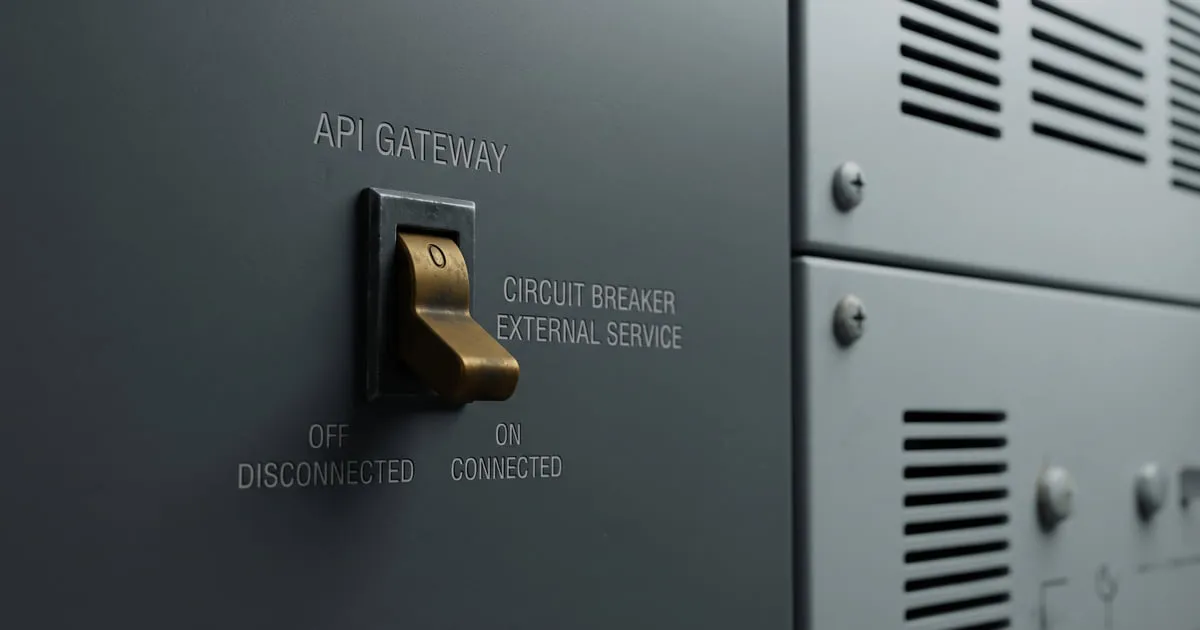
Connecting a critical system to external APIs: using timeouts, retries, and circuit breakers to stop one service's collapse from taking the whole system down.
Before you move to FaaS: the real cost of cold-start latency, vendor lock-in risk, and the workloads where serverless actually pays off
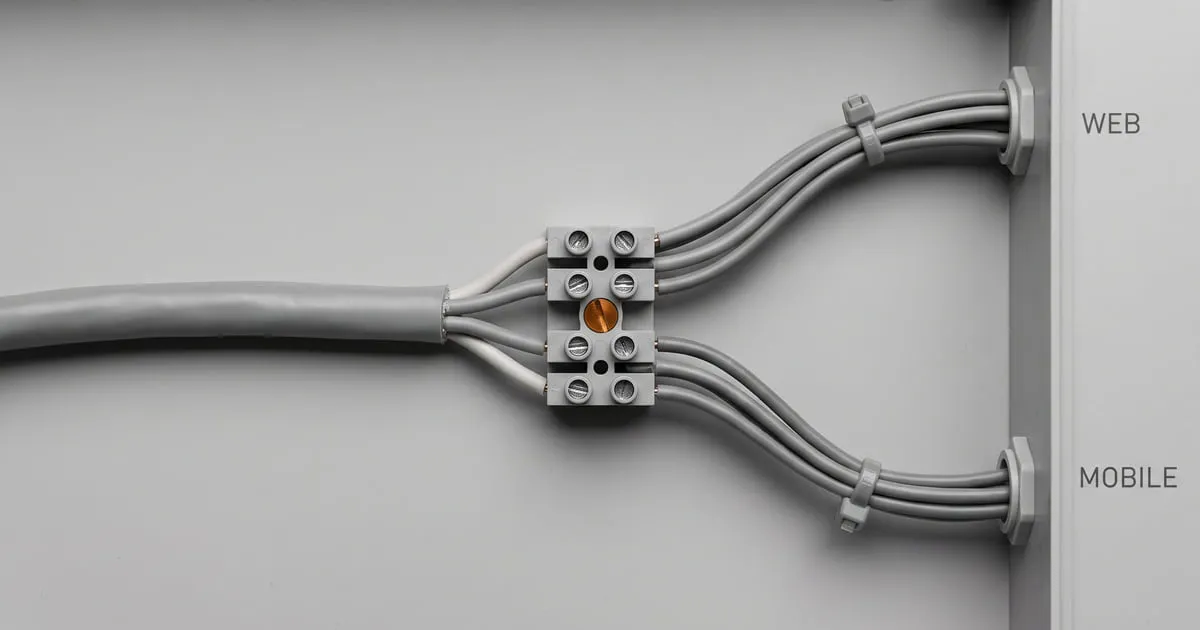
Separate API layers for mobile and web: the hidden cost of bending one API to fit every client, and when a BFF is actually warranted
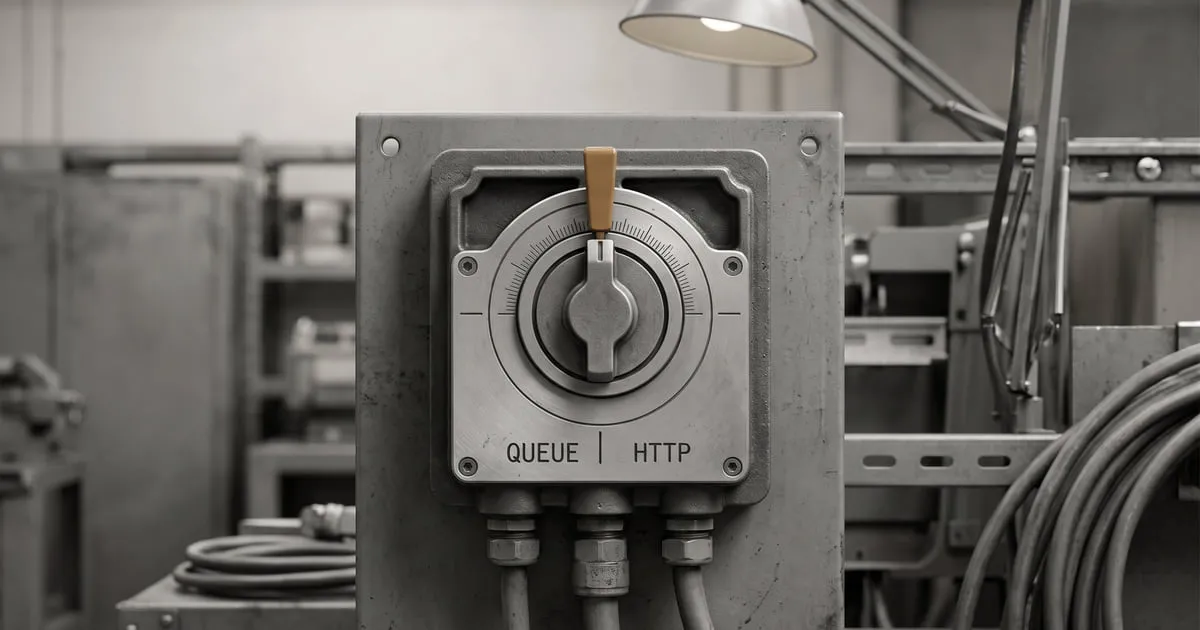
Should a job run inside the HTTP request or go to a queue? The decision line, drawn through response time and fault tolerance
The price of loose coupling through events: balancing the flexibility it buys against the risk of making your system's flow impossible to trace
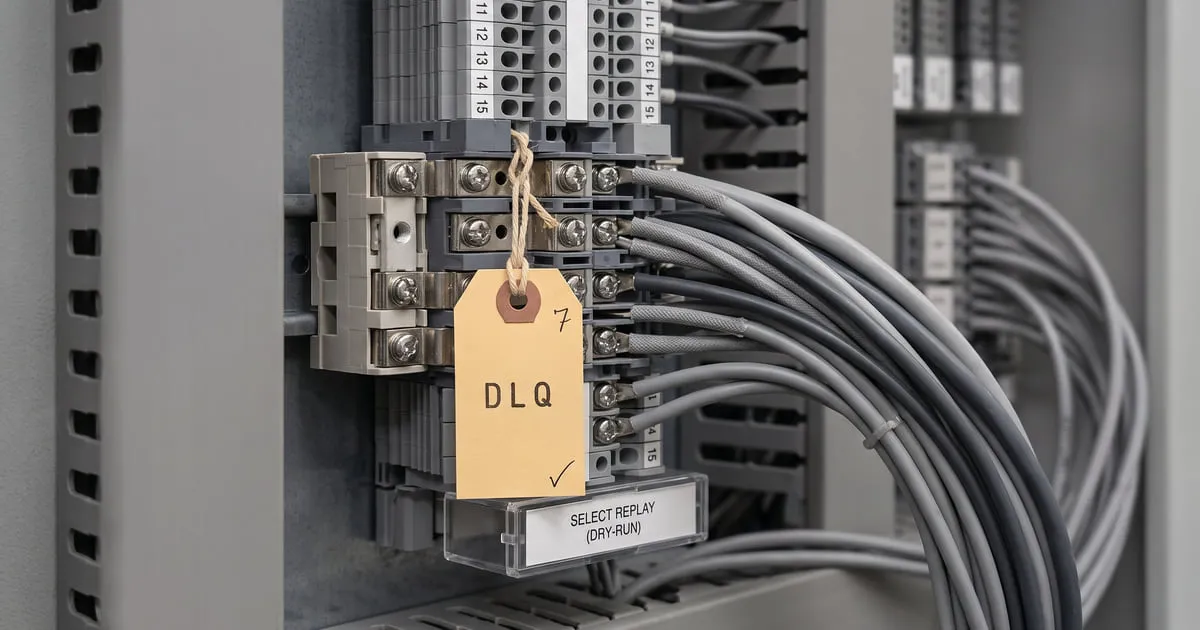
Naive replay re-poisons the queue or double-fires side effects. The safe shape: reset, dry-run, sandbox-first, select.

A message's data is an untyped contract the queue won't check. Validate it at the edge: producer before publish, consumer as a safety net.

At-least-once delivery means a handler will see the same message twice. The idempotency key, where it comes from, and the dedupe that survives a crash