Signals That a System Has Grown Too Complex
The concrete red flags that reveal code or architecture has turned needlessly complex — and where to start simplifying
Engineering
Production lessons, architecture decisions, database, server and application patterns, and AI-assisted engineering: notes, system write-ups, essays and developer tools that run in your browser. (Page 3/5)
The concrete red flags that reveal code or architecture has turned needlessly complex — and where to start simplifying
Connecting a critical system to external APIs: using timeouts, retries, and circuit breakers to stop one service's collapse from taking the whole system down.
Before you move to FaaS: the real cost of cold-start latency, vendor lock-in risk, and the workloads where serverless actually pays off

Separate API layers for mobile and web: the hidden cost of bending one API to fit every client, and when a BFF is actually warranted
Should a job run inside the HTTP request or go to a queue? The decision line, drawn through response time and fault tolerance
Closing dual-write with an outbox, suppressing the at-least-once repeats it creates, and encrypting the personal data inside the event.
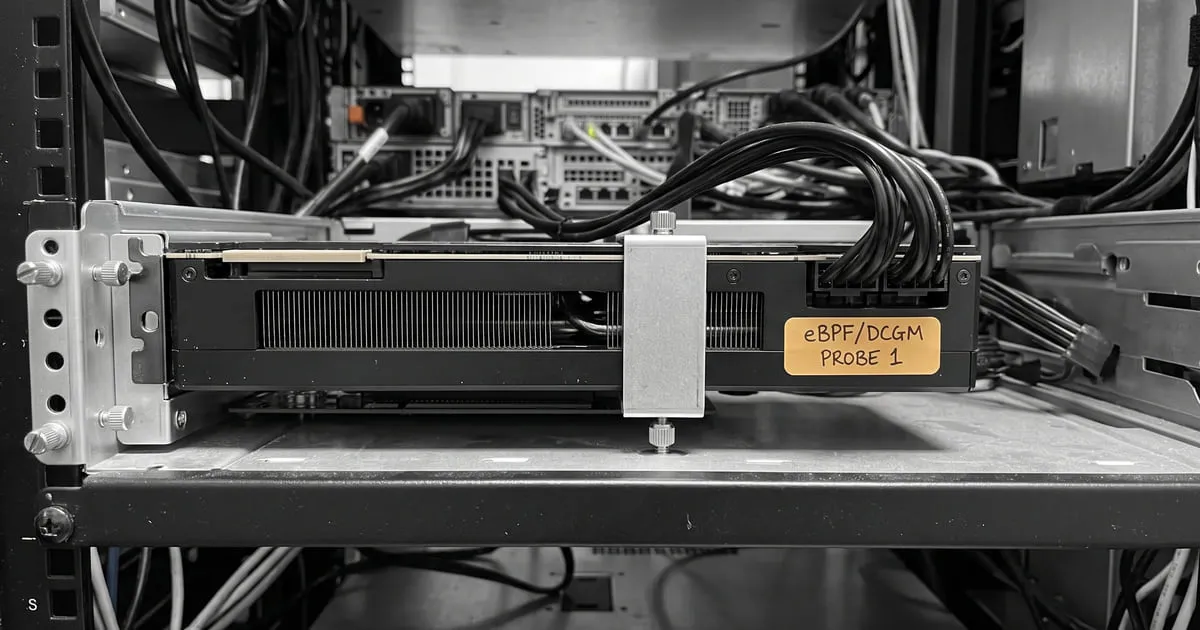
Why GPU spend is invisible to cgroup and cAdvisor metrics, how eBPF attributes it to teams — and the CUDA boundary only DCGM can cover.
The price of loose coupling through events: balancing the flexibility it buys against the risk of making your system's flow impossible to trace

Multi-cluster GitOps with no long-lived kubeconfig: SPIFFE IDs, SPIRE-issued short-lived SVIDs — the order to build it in, and what each step costs.
Turning a message that crosses PHP, Go and Python over a frozen envelope into one OpenTelemetry trace — no new field, no new dependency.
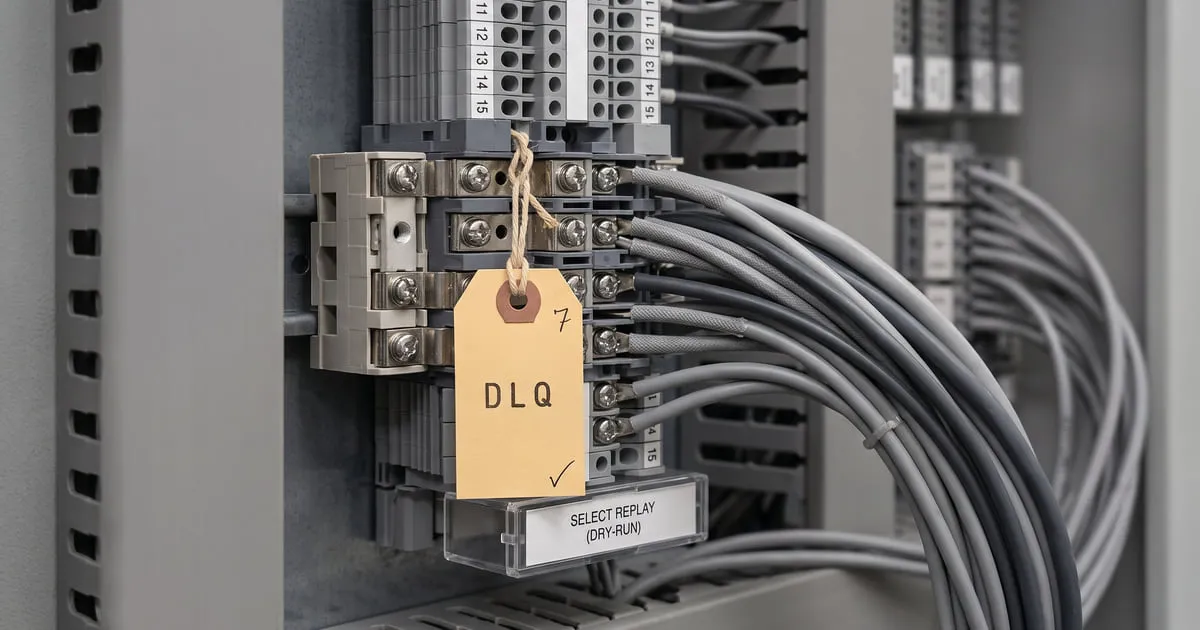
Naive replay re-poisons the queue or double-fires side effects. The safe shape: reset, dry-run, sandbox-first, select.

An architecture decision written in a wiki is a wish. The boundaries you can't enforce quietly erode until the diagram stops matching the code.